
Every fish farm gains from a solar insect killers aquaculture plan that targets the adult flying stage and runs through peak season.
A solar insect killers aquaculture plan works best when devices are spaced by habitat and maintenance is scheduled before peak season, not after pests arrive.
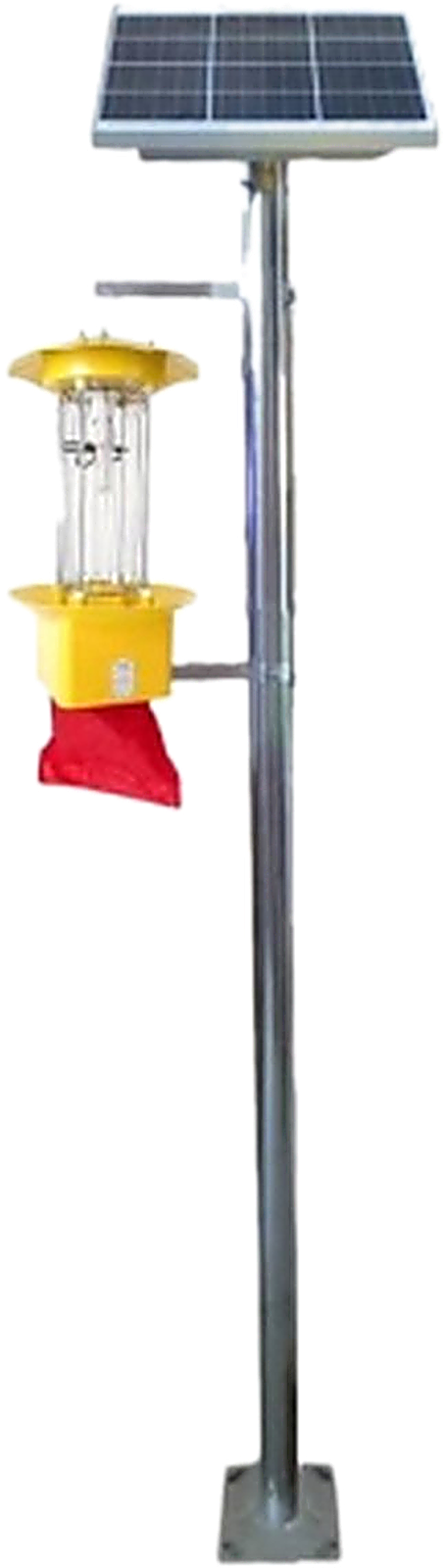
Fish ponds, shrimp farms, and hatcheries are, by definition, full of standing water, and standing water is where many of the worst flying pests breed. Midges, mosquitoes, and biting flies multiply around aquaculture sites, annoying workers, stressing fish, and creating nuisance complaints from neighboring communities. A solar insect killer gives farm managers a chemical-free way to cut adult populations without risking the water itself.
This article covers which pests matter in agricultural pest control for aquaculture, how a solar bug zapper fits the site, and how to deploy it for the best results.
Unlike a dry field, an aquaculture site cannot simply be dried out to break a pest cycle. The ponds are the business. That creates three challenges:
A farm pest management plan for aquaculture must therefore attack the adult stage in the air, because you cannot treat the larval stage in the production water without threatening fish health.
Non-biting midges (*Chironomidae*) emerge in huge numbers from pond mud and can coat buildings. Mosquitoes breed in shallow, warm edges. Both are strongly attracted to UV light at dusk, which is exactly when a solar insect killer is most active.
Around livestock-adjacent fish farms, stable flies and horse flies bite workers and stock. While not water-breeders, they aggregate near ponds and are suppressed by perimeter light traps.
Aquaculture sites are often remote, power-poor, and spread across levees and dikes. Running grid power to every pond corner is expensive and impractical.
For agricultural pest control around sensitive water, a non-chemical tool is not just convenient, it is the responsible choice.
Good placement turns a few units into an effective perimeter shield:
A farm pest management map should mark each unit and the complaint zones reported by staff, then adjust after the first month.
Because a solar insect killer stores daytime solar energy, it runs automatically through the longest summer nights without any grid connection.
Beyond pest counts, light traps deliver soft benefits that matter to a farm’s license to operate:
Framed as part of a broader agricultural pest control and biosafety program, the units signal to auditors and buyers that the operation manages its environment responsibly.
Light traps work best as one layer:
A solar bug zapper handles the flying adult stage, while the other steps shrink the larva stage you cannot light-trap.
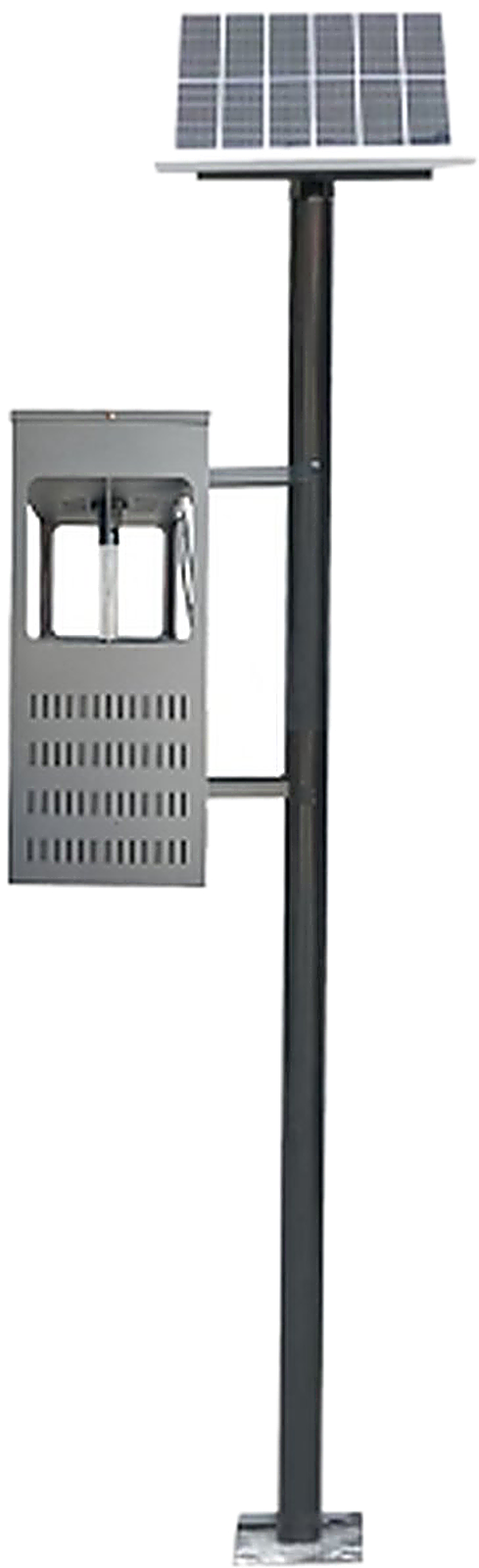
Use this solar insect killers aquaculture guide alongside the references below to build a complete, defensible program.
For deeper technical and regulatory context, see the FAO Integrated Pest Management and the EPA safe pest control.
Will the trap attract more pests to my pond? It attracts flying adults within range and kills them. It does not increase breeding, so the net effect is fewer adults over time.
Is it safe around the water and fish? Yes. There is no chemical release. The unit sits above the waterline and its electrical parts are sealed.
How many do I need? Start with one unit per pond side or per 0.5 ha of water surface, then tune using worker feedback and catch counts.
Do they help with the non-biting midge swarms? Yes. Midges are strongly UV-attracted and form the bulk of captures on aquaculture sites.
Can they run during rainy season? Units are weatherproof and designed for outdoor, waterside use year-round.
For aquaculture and fish farms, a solar insect killer solves a problem that chemicals cannot: controlling flying adults without touching the water your stock depends on. Place units on pond margins and around worker areas, run them through warm nights, and fold them into a farm pest management plan that also cuts larval habitat. The result is a calmer site, safer workers, and fewer complaints, protecting both fish and the farm’s reputation.