
Most post-harvest pest programs focus on stored-product beetles and moths, but the flying insects that slip in through open dock doors are just as damaging to food safety audits. For a refrigerated warehouse or frozen warehouse, a chemical-free solar insect killer at the interface zones gives farm pest management teams a residue-free way to protect graded produce and packaged food.
Cold rooms and freezers are not insect-free. Flying pests ride in on inbound pallets, forklifts, and staff, then gather near warm dock lights and condensation lines.
Conventional agricultural pest control inside a food plant leans on fogging and surface sprays — but residue rules in cold-chain facilities are strict, and sprays near food are increasingly unwelcome in audits.
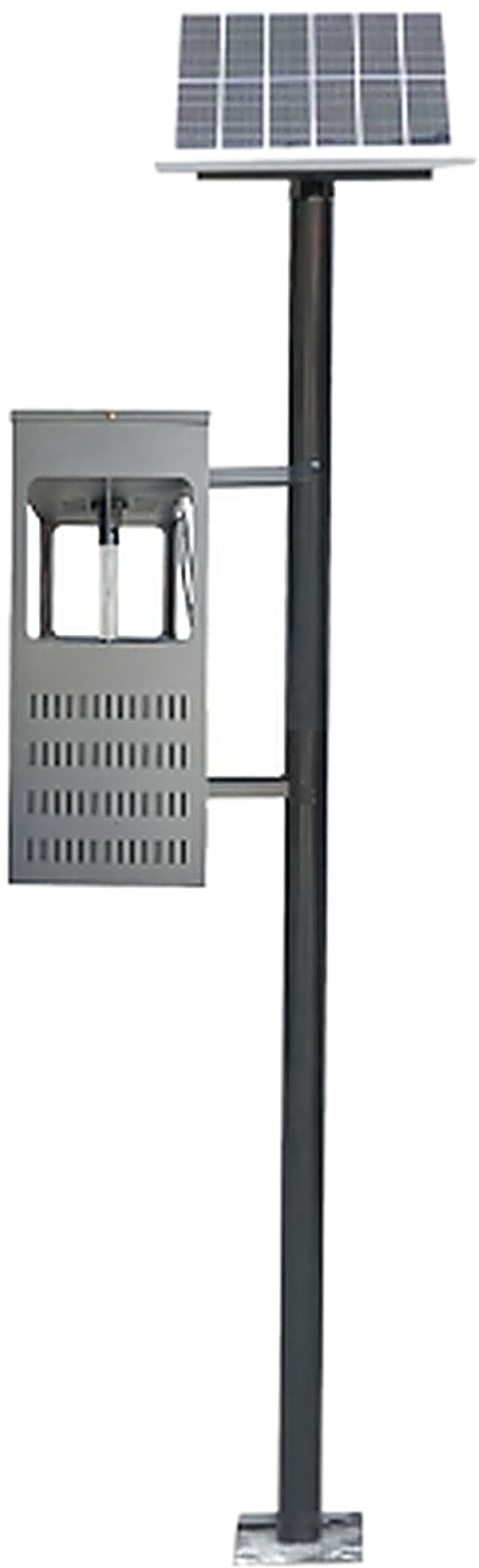
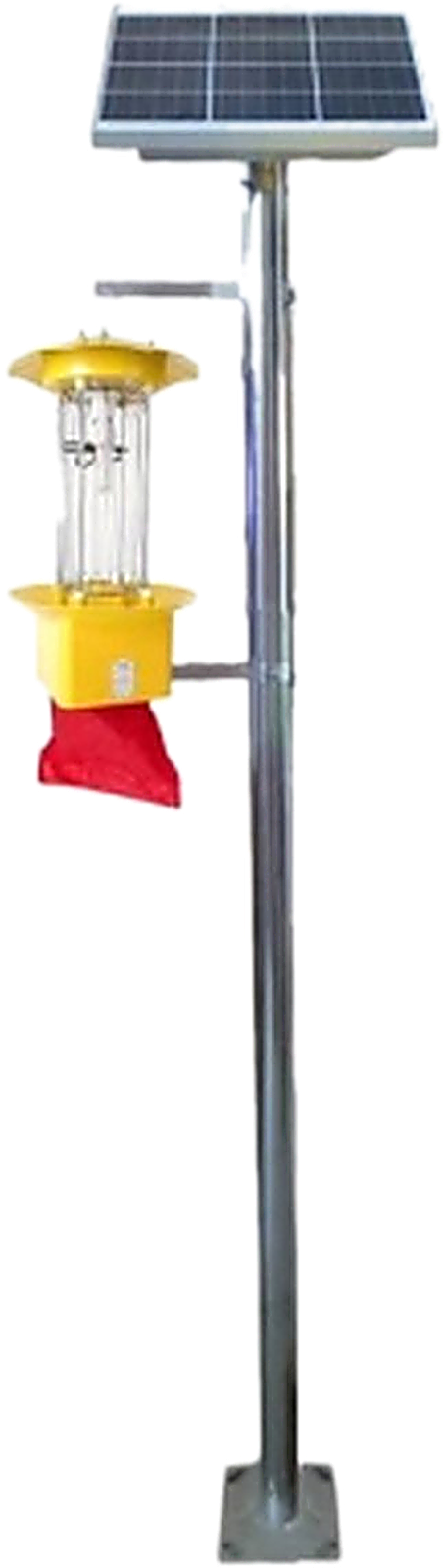
A solar bug zapper (wind-suction type) is ideal for the perimeter and transition spaces where flying insects congregate but where food is not directly exposed.
Because the unit runs on its own PV panel and battery, it keeps working through power dips that would disable mains-only traps — a real risk in farm pest management sites with unstable grids.
The wind-suction design pulls flying insects into a catch container with no zapping mess and no chemical aerosol, which matters in a facility graded on hygiene.
For exporters, this supports the kind of residue-free, pest-monitored environment that GlobalGAP and BRC-style audits expect.
A solar insect killer handles the flying adult stage; pair it with the standard stored-product toolkit for complete coverage.
Together these form a coherent agricultural pest control plan that traceability systems can document.
Warehouse teams should size by door count and zone area rather than floor square meters alone.
A solar insect killer needs little service, which suits sites with thin maintenance staffing.
A refrigerated warehouse already carries a heavy energy load. Adding a self-powered trap avoids raising the electricity bill while improving pest control — a small but real win for operating cost and audit confidence.
Even a well-built solar insect killer underperforms if sited poorly. The most common errors we see in cold-chain facilities are easy to fix.
A short commissioning walk with the hygiene team prevents all four and keeps the agricultural pest control layer doing its job.

Use this guide alongside the references below to build a complete, defensible program.
For deeper technical and regulatory context, see the FAO Integrated Pest Management and the EPA safe pest control.
Can a solar unit work indoors without sun? Yes. The PV panel can be mounted at a nearby skylight or external wall, while the trap body sits indoors; the battery covers night operation.
Is it safe around frozen food? The wind-suction model uses no chemicals and produces no airborne spray, so it is safe when sited away from open product lanes.
Does it replace fumigation? No. It controls flying adults at interfaces; deep stored-product control still needs inspection, traps, and, where licensed, fumigation.
How many do I need for one warehouse? Plan one per active dock door plus one per major cold-room entrance, then add units at rework zones.
For refrigerated and frozen food warehouses, a chemical-free solar insect killer strengthens post-harvest farm pest management at the exact points where flying pests enter. Sited at docks and cold-room thresholds, it cuts residue risk, supports food-safety audits, and runs through power dips — a resilient, low-maintenance layer in any cold-chain IPM program.