Every importer sourcing program gains from a solar insect killer import plan that targets the adult flying stage and runs through peak season.
A solar insect killer import plan works best when devices are spaced by habitat and maintenance is scheduled before peak season, not after pests arrive.
Global demand for chemical-free pest control is pushing distributors, agri-dealers and project contractors to source a solar insect killer directly from manufacturers. For an overseas buyer, the difference between a profitable container and a warehouse of returns usually comes down to how the sourcing process is run. This guide walks through the practical steps an importer should take before, during and after placing the first order.
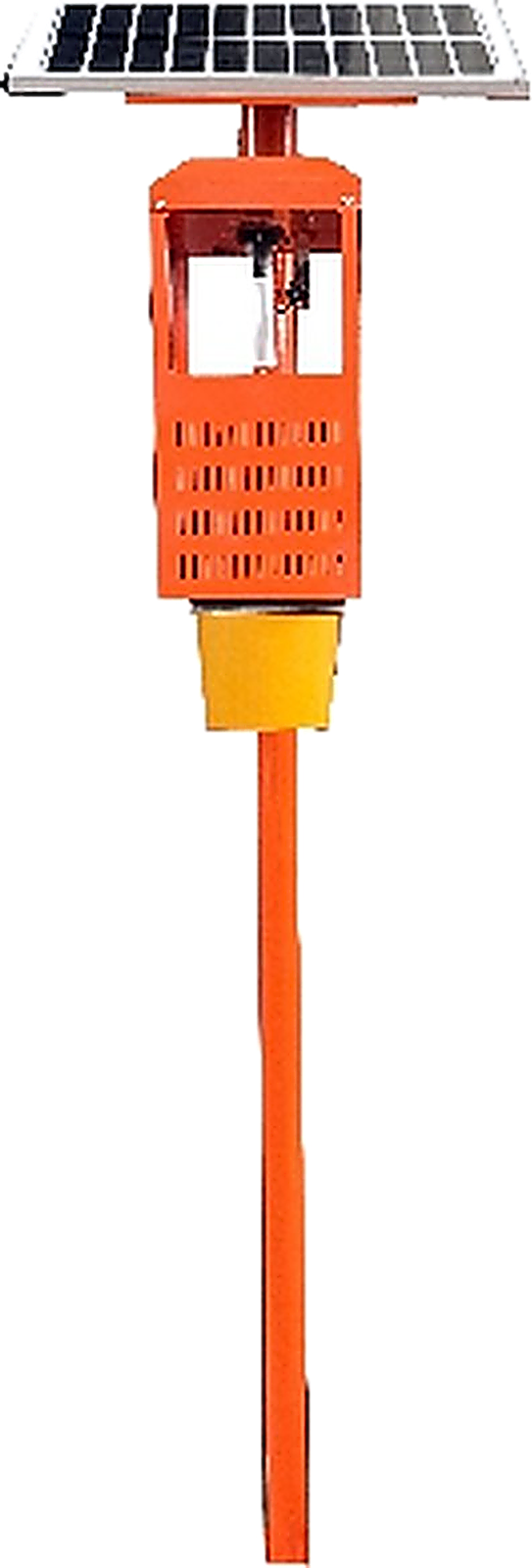
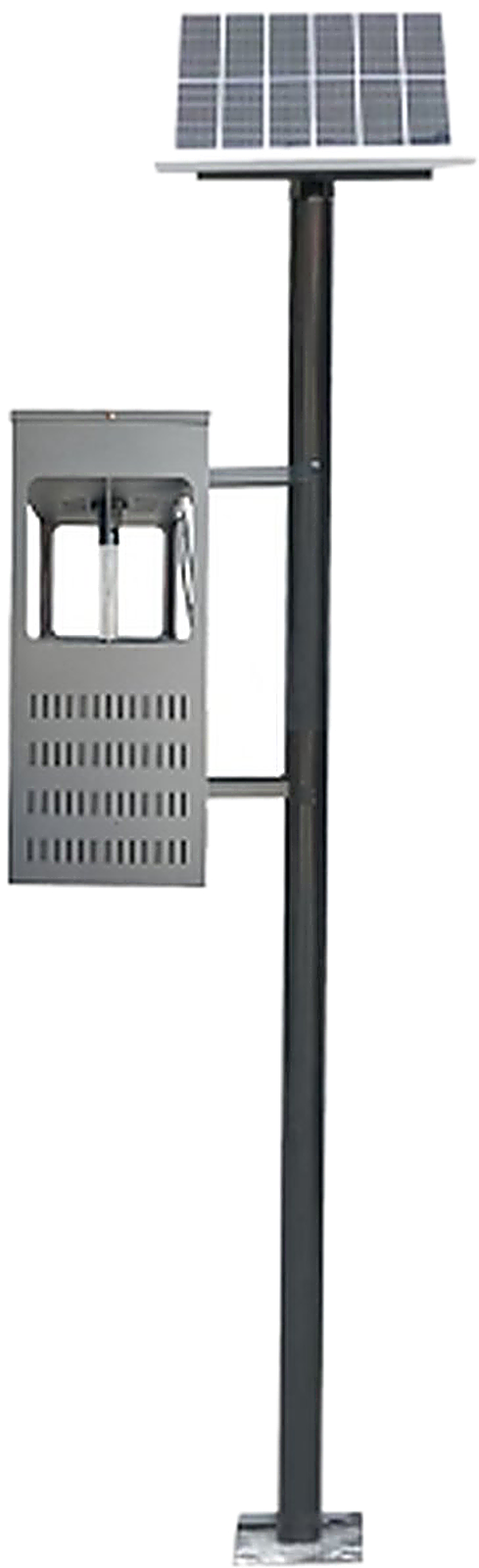
China is the world’s largest production base for solar-powered pest control hardware. Buyers benefit from mature supply chains, competitive tooling costs and short iteration cycles for new lamp designs. For agricultural pest control at scale, importing lets you bundle a complete range — pole-mounted traps, hanging units and portable solar bug zapper models — under one supplier relationship.
The key is not finding the cheapest factory, but finding one that understands export compliance and can support you after the goods land. A manufacturer that answers certification questions confidently and ships consistently is worth more than a 5% lower quote from an unknown workshop.
Not every workshop advertising online can deliver a container that passes your local market’s standards. A structured vetting process reduces risk dramatically and protects your brand reputation.
Ask for a live video tour or use a third-party inspection agency. Confirm the following:
A trustworthy supplier will readily share test reports. At minimum, request CE, RoHS and FCC for electronics, plus an IP rating certificate for outdoor enclosures. If you serve the EU, ask about BPR positioning; for the US, confirm EPA/FIFRA alignment for any claims. Keep these documents in a compliance folder — your own customers will ask for them.
Minimum order quantities for a standard farm pest management trap typically start around 200–500 units for stock models and 1,000+ for customized designs. Pricing is volume-tiered, so model your landed cost at three quantity levels before negotiating.
Safe payment structures for first orders:
Clarify the Incoterm upfront. FOB (Free On Board) keeps control with your freight forwarder; CIF (Cost, Insurance and Freight) is simpler but less transparent. Standard lead time for stock items is 15–25 days; new tooling or OEM branding adds 30–45 days.
Plan ocean transit (30–45 days to most ports) into your selling season. Ordering a solar insect killer range in the off-season protects you from stockouts when pest pressure peaks. Build a simple reorder calendar so you never wake up to an empty warehouse in peak month.
Decide early whether you need full ODM (your own design) or simple private label (supplier’s model with your logo and packaging). ODM carries higher upfront cost but stronger differentiation; private label is faster to market. Either way, lock the bill of materials and specification sheet so re-orders stay consistent.
For private label, confirm the supplier will not reuse your custom color, packaging or mold for another customer in your region. Exclusivity clauses are cheap insurance against copycat competition.
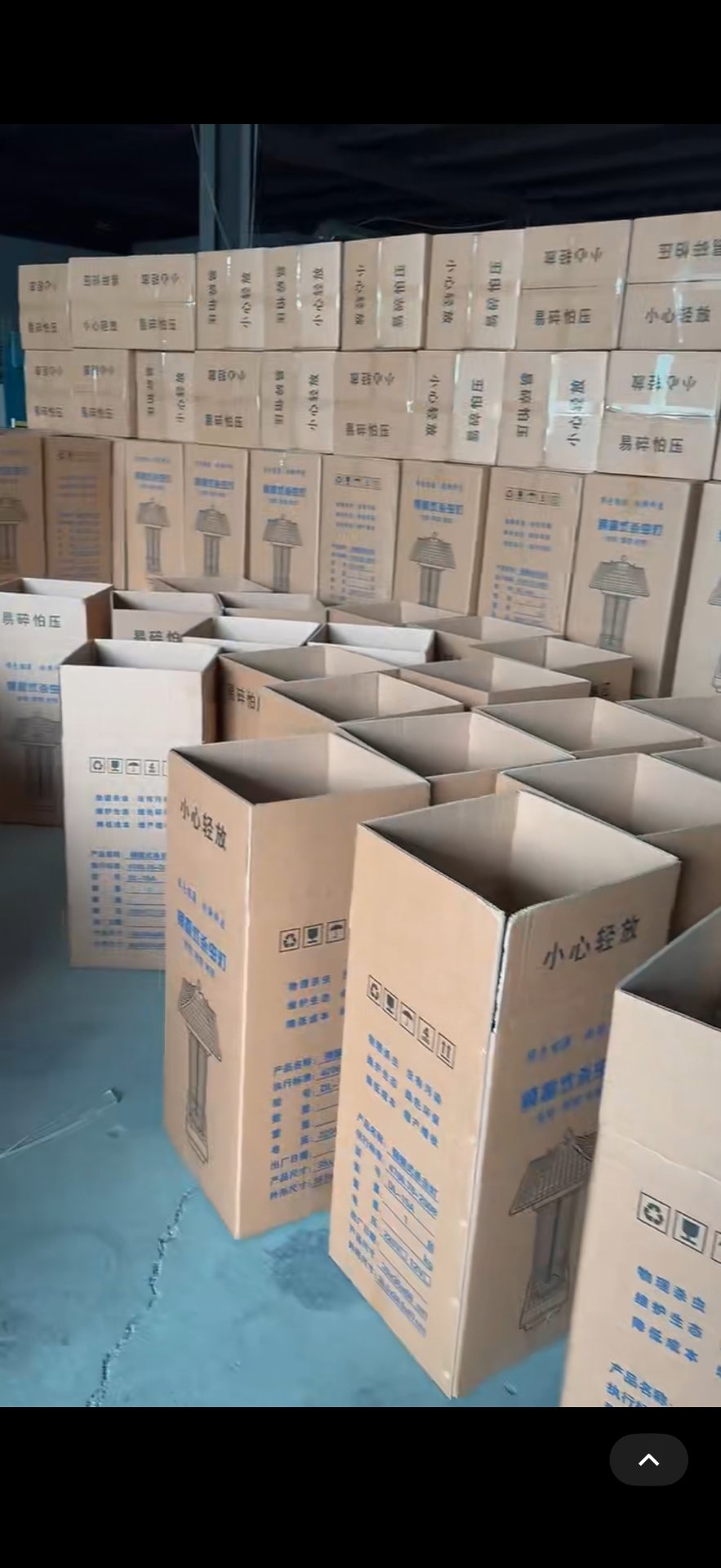
Never skip pre-shipment inspection. AQL (Acceptable Quality Limit) sampling at AQL 2.5 is standard. Test the actual units: solar panel charging, UV lamp output, waterproof seal, and the kill tray. Photograph the loaded container and seal it with your own tamper-evident seal.
Request a short functional test video per batch. A 30-second clip of units lighting at dusk is far cheaper than discovering a batch of dead panels after the container clears customs.
A sourcing relationship lives or dies on the second order. Agree on a warranty period (commonly 12–24 months on electronics), a spare-parts ratio (lamps, fuses, brackets), and a clear process for claiming defects with photos or video evidence. Stock a small spare-parts kit locally so you can service customers without waiting on air freight.
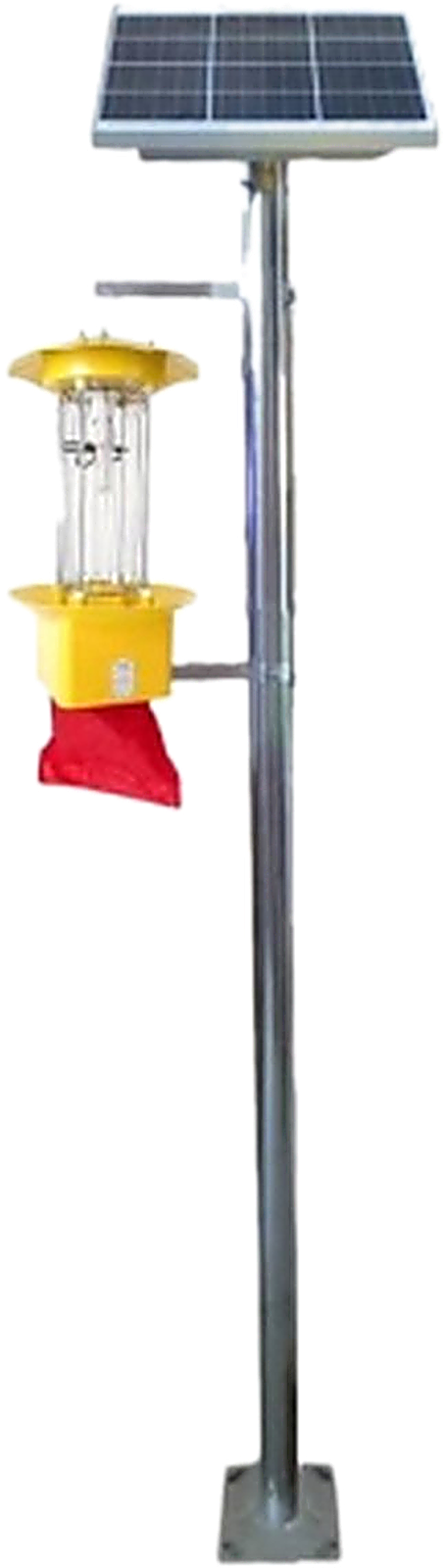
Use this solar insect killer import guide alongside the references below to build a complete, defensible program.
For deeper technical and regulatory context, see the FAO Integrated Pest Management and the EPA safe pest control.
Q: Can I mix models in one container? A: Yes. Most factories allow mixed SKUs as long as the total meets the MOQ and carton sizes are planned for efficient loading.
Q: How do I protect my brand when sourcing privately labeled units? A: Sign a manufacturing agreement that prohibits reselling your design or using your trademarks, and register your brand in your target markets.
Q: What is a realistic first order for a new importer? A: Start with one 20-foot container of proven stock models to validate demand and logistics, then expand into OEM once the channel is proven.
Q: Do suppliers provide marketing materials? A: Leading exporters supply product photos, specification sheets and sometimes co-branded catalogs — confirm deliverables in the proforma invoice.
Sourcing a solar insect killer range well is a repeatable system: vet, specify, inspect, ship. Master those four steps and your import business builds a defensible advantage in the growing agricultural pest control market.