
Most pest-control content stops at the field edge. But a huge share of crop loss and food-safety risk happens after harvest — in drying yards, processing halls, packing lines, and cold stores. A solar insect killer built for these environments helps facilities protect product, pass audits, and cut chemical use where food is handled. This guide covers placement, ingress protection, and compliance for agricultural pest control inside the fence.
Flies, moths, beetles, and wasps invade facilities through doors, vents, and loading bays. Once inside, they contaminate surfaces, lay eggs in product, and trigger audit failures. Traditional solutions rely on sprays and sticky strips that do not belong near food contact zones. A solar bug zapper offers continuous, chemical-free capture exactly where it is needed.
For any farm pest management program that claims a clean supply chain, the facility is the last line of defense.
Placement decides effectiveness:
In a processing hall, a solar insect killer works best as a perimeter interceptor plus a few interior sentinels.
Food plants wash down. Choose enclosures rated for the environment:
A trap that cannot survive the daily hose-down will short out and become a hazard, not a help.
Many facilities have grid power, and a mains-charged solar insect killer still earns its place: the panel keeps it running through outages that kill ordinary units. For remote drying yards and off-grid collection points, the solar panel is the whole point. Either way, the unit keeps working when the lights go down — precisely when pests fly.
Buyers and certifiers (HACCP, BRC, Global GAP) want documented pest control. A solar bug zapper program supports audits when you:
This turns agricultural pest control from a vague promise into evidence.
In cold stores, pests are fewer but a single invader in a sealed pallet is a recall risk. Place traps at room-temperature transition zones — docks, ante-rooms, and degassing areas — rather than inside freezers. Condensation and sub-zero temps damage electronics, so keep the trap in the buffer zone where it catches pests before they enter the chain.
What auditors actually want to see is not a device but a regime: a placement drawing, a cleaning interval, a catch log and a named owner. Facilities that can produce those four things in a folder pass a food safety audit far faster than facilities with better hardware and no paperwork.
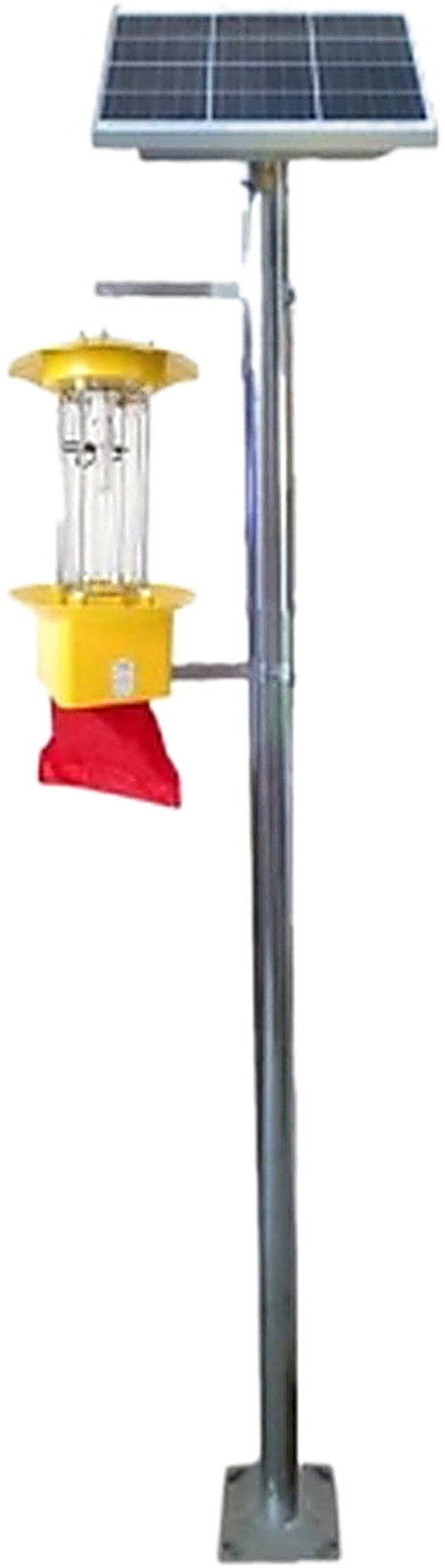


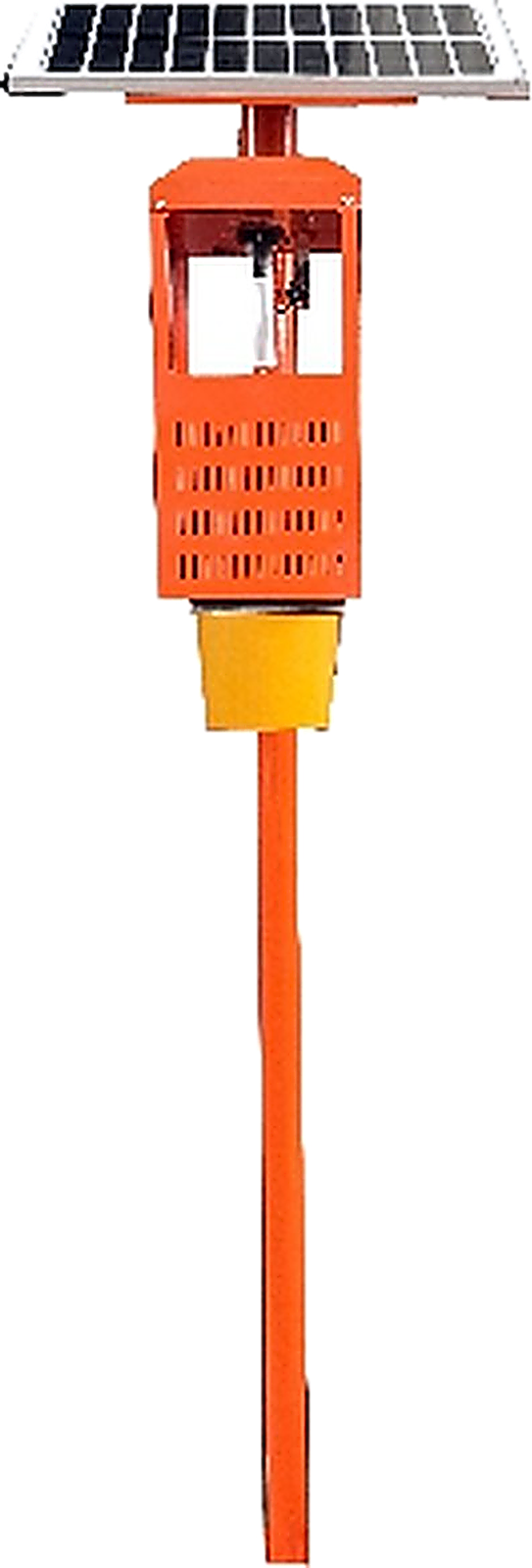
Use this guide alongside the references below to build a complete, defensible program.
For deeper technical and regulatory context, see the FAO Integrated Pest Management and the EPA safe pest control.
Are solar insect killers safe near open food?
Yes when sited above contact zones and paired with catch trays. Avoid placing any trap directly over exposed product.
Do they meet HACCP expectations?
They support a monitored, chemical-free control layer. Document locations and counts to satisfy auditors.
Mains or solar for an indoor plant?
Either works; solar adds outage resilience. Pick IP rating by washdown level, not by power source.
How often should trays be emptied?
Weekly at minimum, daily in high-pressure season. Counting the catch also feeds your pest trend report.
Post-harvest loss is still loss. A solar insect killer specified for the facility — right IP rating, right placement, right records — extends farm pest management from the field all the way to the pallet. For food processors and cold-chain operators, that is the difference between a clean audit and a rejected shipment.