
The technology behind a solar insect killer is proven, yet many farms that would benefit still hesitate to buy. The gap is rarely the device itself — it is the adoption barriers that sit between a curious farmer and a working unit in the field. Understanding those barriers is the first step for any supplier, cooperative or extension agent who wants to move agricultural pest control forward. This article maps the real obstacles and the practical ways to beat them.
Across regions and crops, the same handful of concerns come up again and again. Naming them honestly is more useful than pretending they do not exist.
The first barrier is the sticker price. A solar bug zapper looks expensive next to a bottle of insecticide, even when its lifetime cost is far lower. Farmers focused on this week’s input bill often miss the multi-season payback, so the comparison needs to be framed in spray rounds saved, not just unit price.
Many growers have been burned by gadgets that promised results and delivered nothing. Until they see a trap working on a neighbor’s field, they assume the solar insect killer is another disappointment. Trust is built in the field, not in the brochure.
Correct placement, pole height, tray emptying and seasonal timing decide whether the unit earns its keep. Without local guidance, early adopters mount it too high or forget maintenance, get a poor result, and tell others the technology failed. The know-how gap is a silent killer of adoption.
Even convinced farmers may lack the cash flow to buy several units at once. Where input credit or cooperative pooling is unavailable, a worthwhile purchase is postponed indefinitely. Financing is therefore as important as the product.
Suppliers have more leverage than they think. Offering a clear payback worksheet, a starter pack of two or three units, and a short local-language setup video removes the first three barriers at once. OEM and ODM buyers can also request branding and spectrum tuning so the device feels purpose-built for their market rather than generic.
Clusters beat lone buyers. When a cooperative pools an order, the per-unit price drops and a shared technician can service the whole block. Neighbors see the traps working side by side, which collapses the trust barrier through social proof. Farm pest management becomes a group norm instead of an individual gamble.
Extension agents are the missing link between the device and the decision. A single demonstration plot, visited during the evening flight, converts more farmers than any ad campaign. Agents who teach scouting alongside the trap show that the solar insect killer is one layer of integrated management, not a magic replacement.
The most convincing argument is a measured one. Run a pilot plot for one season, track spray rounds, predator counts and marketable yield, and share the numbers openly. When farmers see that the unit paid for itself and protected beneficial insects, the adoption barriers fall on their own.
Several myths keep good technology on the shelf. The first is that a solar insect killer replaces spraying entirely, which sets unrealistic expectations and leads to disappointment when a few pests still appear. The second is that it only works at massive scale, when small plots and even homestead gardens benefit just as clearly from fewer alates. The third is that maintenance is complex, when emptying a tray and wiping a panel takes only minutes each week.
A fourth myth is that the device needs grid power, when its solar panel and battery are designed for exactly the opposite — remote, off-grid fields. Cutting these myths down with honest, local demonstration is one of the fastest ways to lower the real adoption barriers and let the unit speak for itself.


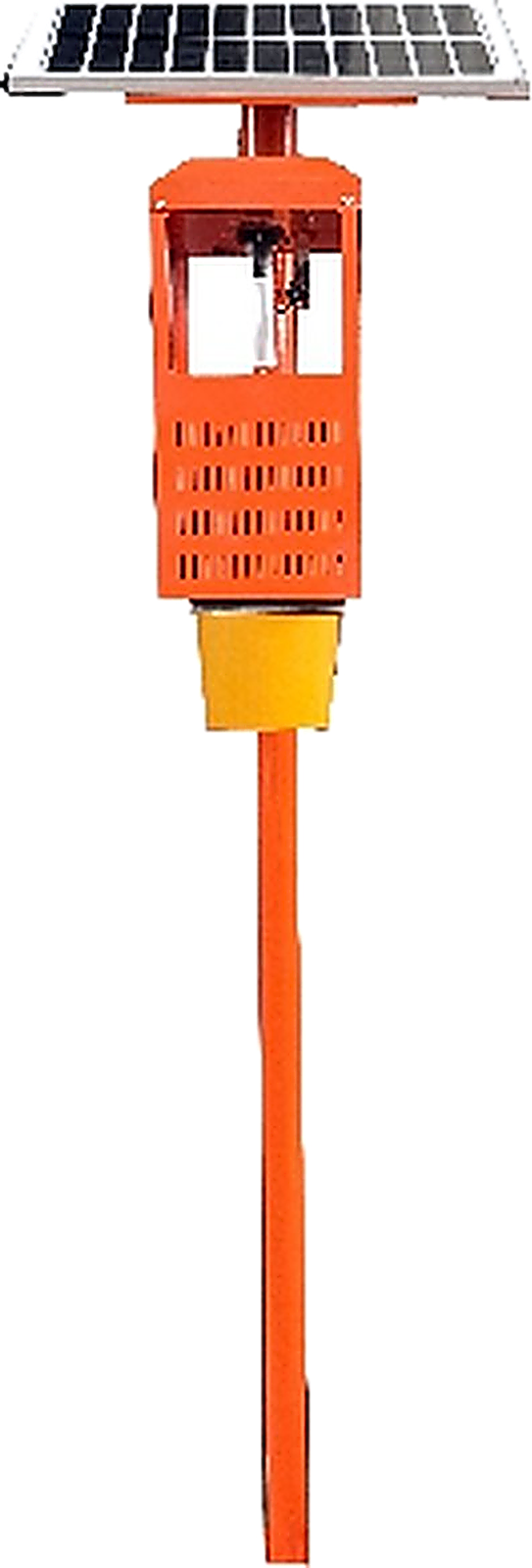
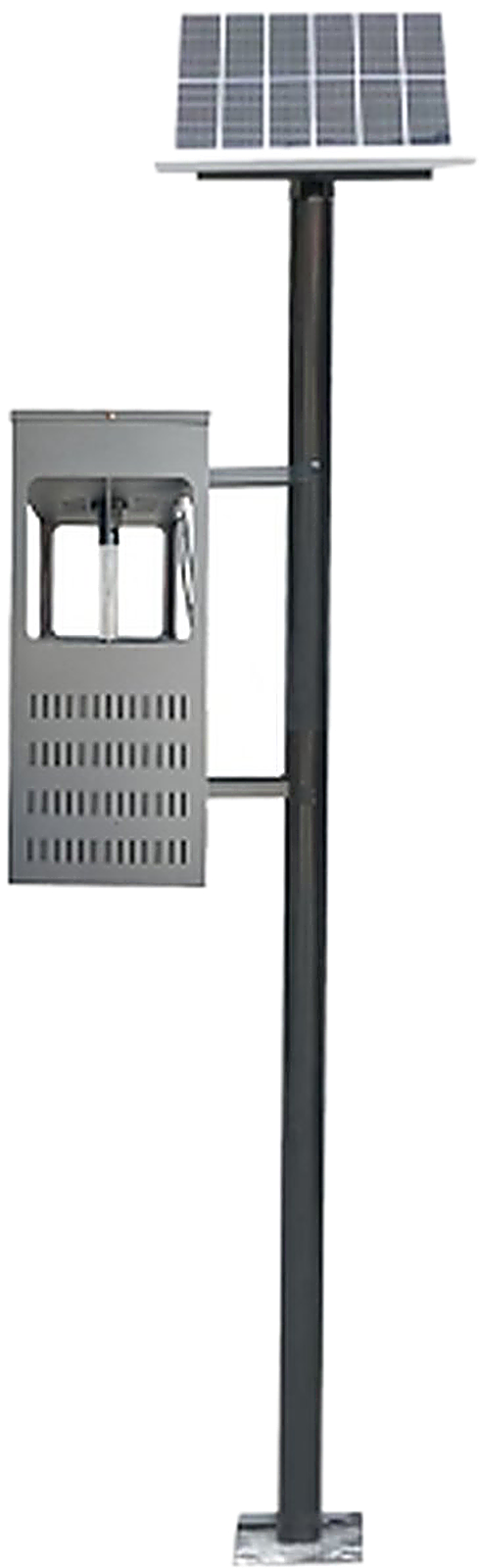
Use this guide alongside the references below to build a complete, defensible programme.
For deeper technical and regulatory context, see the FAO Integrated Pest Management and the EPA safe pest control.
Over a few seasons it usually is, because it displaces multiple spray rounds and their labor and fuel. The saving depends on pest pressure, but the payback case is strongest where sprays are frequent and labor is costly.
Show, do not tell. A single working demonstration unit with visible catch and a season of spray-count data convinces more people than any presentation, especially when the results are from a local field.
Yes. FOSIBO supports bulk orders, OEM and ODM branding and consolidated logistics, so a cooperative can deploy a consistent fleet and negotiate a lower per-unit cost across the cluster.
A short setup guide in the local language, a recommended placement map, and a contact for maintenance questions. Most early failures come from poor placement, which good guidance prevents.