
title: “Solar Trap ROI: How Fast Do Solar Insect Killers Pay for Themselves?”
meta_title: “Solar Trap ROI: Farm Payback Period Explained”
meta_description: “Calculate solar trap ROI and payback period for commercial farms. A practical cost-benefit model for B2B buyers, importers and distributors.”
slug: “solar-trap-roi-payback-calculator”
target_keywords: [“solar trap ROI”, “solar insect killer”, “agricultural pest control”, “solar bug zapper”, “farm pest management”]
Solar trap ROI is the number every B2B buyer, importer, and farm manager should calculate before choosing a pest-control method. For these buyers, the most important question about a solar insect killer is not how bright the lamp is — it is how quickly the device pays for itself. A solar bug zapper is a capital purchase, and like any agricultural investment it must clear a simple test: does the money saved on crop loss, labor, and chemicals outweigh the upfront cost? This guide builds a practical ROI model you can apply to any operation, and shows why agricultural pest control with solar traps is increasingly the cheaper option over a 3–5 year horizon.
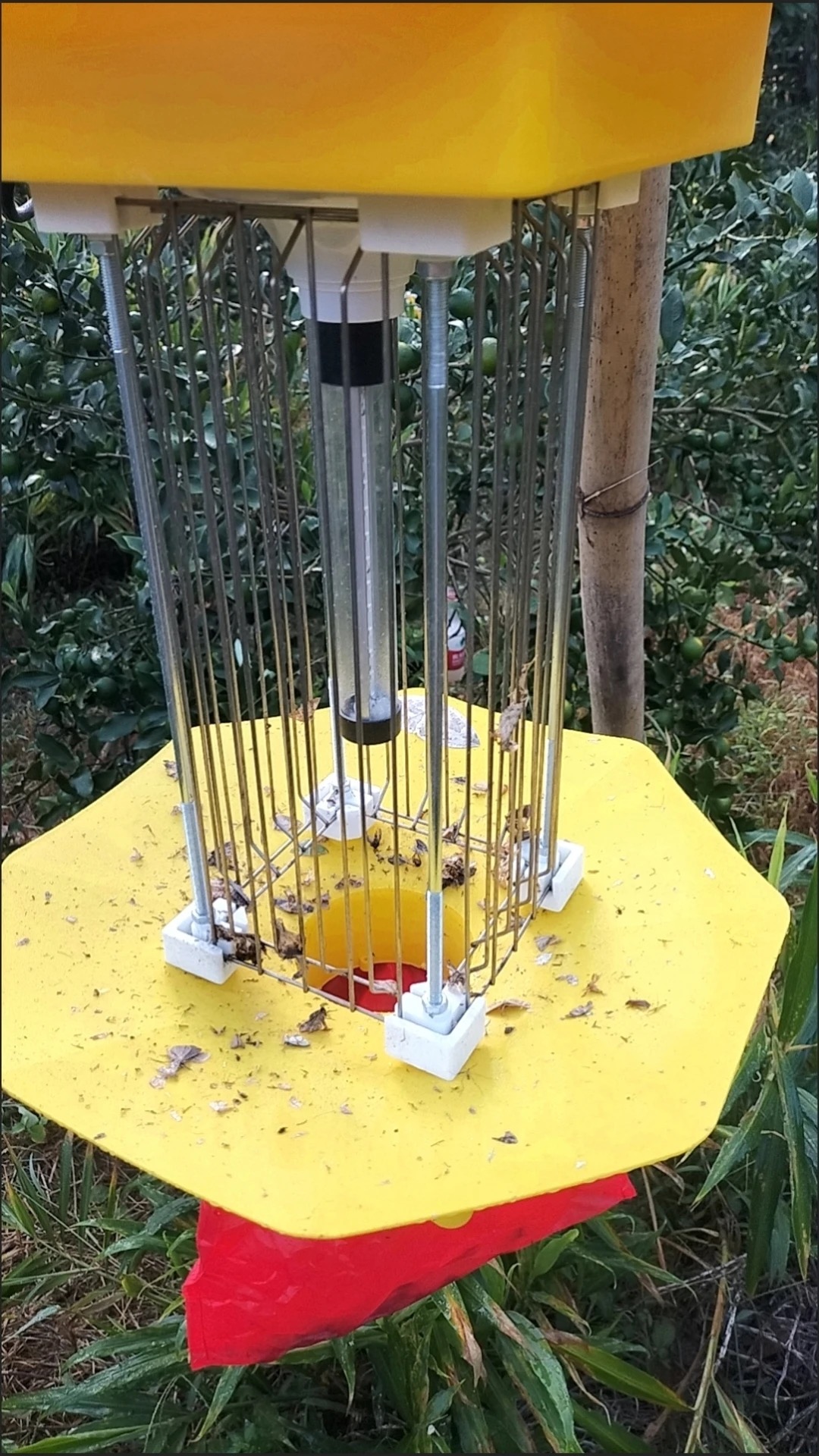
Pest pressure is never just a biological problem. Every percentage point of fruit or leaf damage translates directly into lost revenue. In high-value crops such as fruits, vegetables, and nuts, a 10% yield loss can erase the entire margin of a season. That is why modern farm pest management is measured in dollars, not just bugs caught.
A solar insect killer reduces two major cost lines at once:
You can estimate payback with four variables:
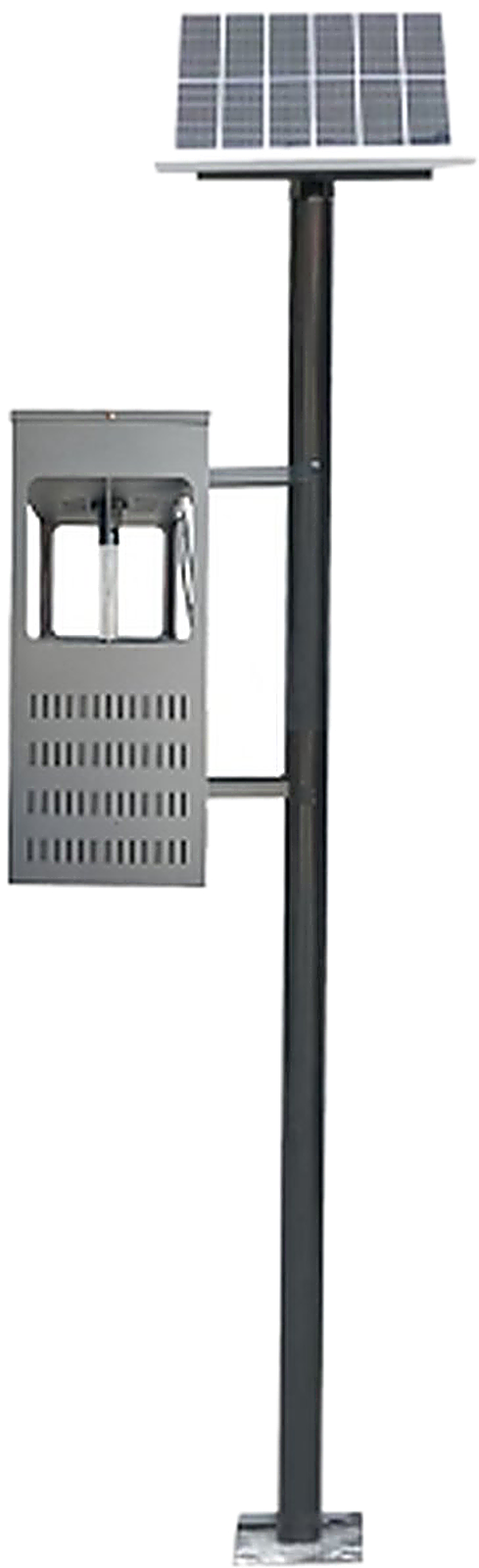
Assume a fruit orchard with the following numbers:
Annual benefit = USD 12,240.
Payback period = 9,000 ÷ 12,240 ≈ 0.74 years (about 9 months).
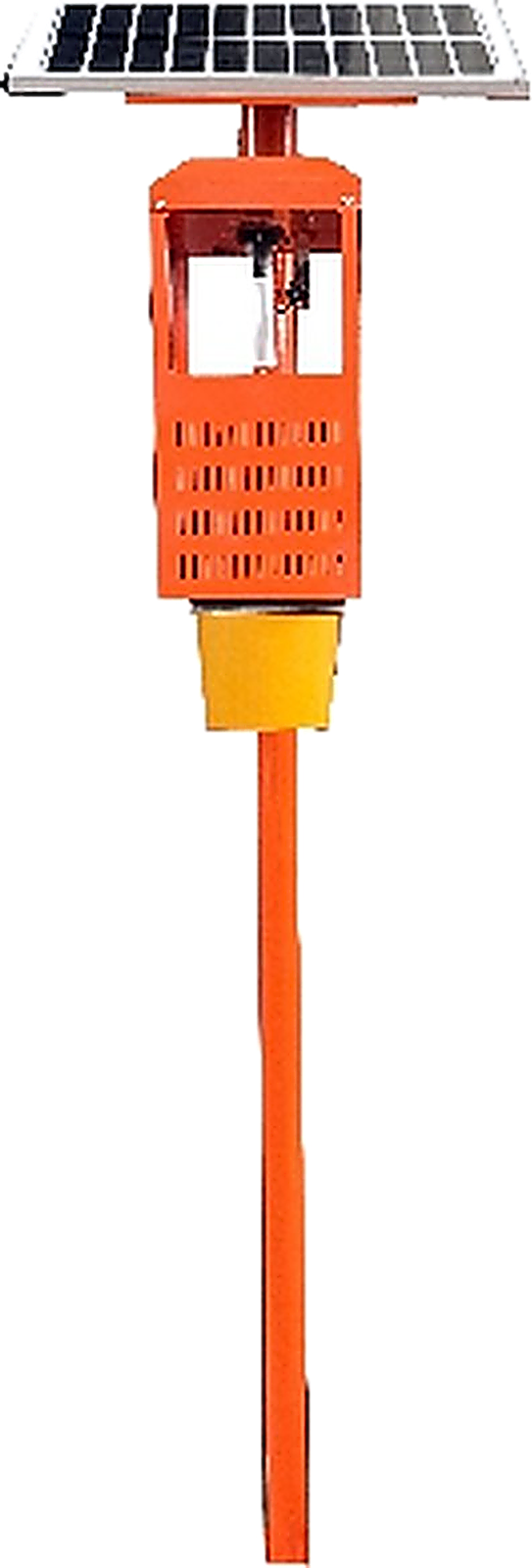
In this scenario the solar insect killer ROI is positive within the first growing season. Over a 5-year device lifespan, net savings exceed USD 52,000 — a return few ag inputs can match.
Not every farm sees 9-month payback. The model is sensitive to a few levers:
High-pressure regions (tropical, subtropical, humid) lose more yield to insects, so traps save more. Low-pressure areas may see 2–3 year payback instead.
High-value export crops (mango, avocado, citrus, grapes) make even modest damage reductions worth a lot. Low-value bulk commodities need larger areas or higher trap density to break even.
If you currently spray 8–12 times a season, the avoided-input savings are large. If you already spray rarely, the trap’s value comes mostly from crop protection.
A unit rated for 5 years with a 2-year warranty protects the ROI. Cheap traps that fail in year two turn a good investment negative.
| Cost item | Solar trap (5 yr) | Spray program (5 yr) |
|---|---|---|
| Equipment / setup | USD 9,000 | USD 1,500 (tank, sprayer) |
| Consumables (chems/fuel) | ~USD 0 | USD 18,000 |
| Labor (application) | ~USD 0 | USD 9,000 |
| Crop loss (residual) | USD 100,800 | USD 144,000 |
| Total | USD 109,800 | USD 172,500 |
Over five years the solar approach saves roughly USD 62,700 while also cutting chemical residues — a growing requirement for export certification.
If you resell solar insect killers, lead with the payback story. Buyers respond to a one-page calculator tailored to their crop and region far more than to lumen specs.
For importers, the same logic applies to inventory planning: stock the models with the shortest demonstrated payback in your target climate, because those sell fastest and generate the strongest repeat demand.
How long does a solar insect killer take to pay back?
On high-value crops with strong pest pressure, payback is often 9–18 months. On low-value crops or light-pressure regions, expect 2–3 years.
Is ROI better than chemical spraying?
Over a 3–5 year horizon, solar traps usually win on total cost and crop protection, while also reducing residue and labor. Spraying may still be needed inside an IPM program.
What data do I need to calculate my own ROI?
Hectares, crop value per hectare, historical loss percentage, current spray cost per season, and an estimate of damage reduction from trapping (use 20–30% to be safe).
Do warranties affect ROI?
Yes. A 2-year warranty on a 5-year device meaningfully de-risks the investment and should be factored into any procurement comparison.
Can distributors use ROI to sell more units?
Absolutely. A crop-specific payback calculator is one of the most effective B2B sales tools for solar insect killers.
The business case for a solar insect killer is rarely about the gadget — it is about the math. On most commercial farms, the combination of avoided crop loss and eliminated spray rounds produces payback inside a single season, with years of net positive return afterward. For buyers and distributors alike, leading with a clear ROI model is the fastest path from interest to order.
FOSIBO manufactures solar-powered insect killers and wind-suction traps for commercial agriculture and distribution. Contact our export team for crop-specific ROI worksheets and OEM/ODM pricing.