
The United Kingdom and Ireland run a distinctive pest-pressure profile. A mild, wet maritime climate keeps soils workable for long windows, but it also lets multiple insect generations overlap on oilseed rape, field vegetables, soft fruit and protected salads. For importers, agronomists and distributors serving the British and Irish market, the solar insect killer has shifted from a novelty into a practical layer of agricultural pest control planning. This case study examines how UK and Ireland growers deploy solar-powered traps and what the field evidence shows for farm pest management.
British and Irish agriculture is rarely about scorching heat or desert dryness. It is about moisture, mild winters and a long, interrupted growing season — conditions that suit both crops and the insects that feed on them.
Winters that rarely lock the ground in hard frost mean overwintering pupae and adults survive in far higher numbers than in continental climates. Cabbage stem flea beetle, aphids and glasshouse pests reappear early and build quickly. A solar bug zapper that runs autonomously through the shoulder seasons captures adults before populations explode, reducing the need for early calendar-based sprays.
Because crops are often sown early and harvested late, pest life cycles overlap. A single field can host the previous generation’s adults and the next generation’s larvae at once. Continuous trapping — day and night, powered by the sun — keeps adult pressure down across that whole window rather than only during a short treatment period.
The pest mix differs from Mediterranean or tropical systems, and so does the trap strategy.
In England and Scotland, cabbage stem flea beetle (*Psylliodes chrysocephala*) is the defining challenge for oilseed rape establishment. Adults bite seedlings in autumn; larvae mine the stem in spring. Light traps placed at field margins pull in migrating adults, giving agronomists a clearer picture of pressure and supporting more targeted responses.
The peach–potato aphid (*Myzus persicae*) and carrot fly (*Psila rosae*) are persistent on field vegetables. Aphids also vector viruses such as turnip yellows virus. Trapping winged aphids helps time decisions and lowers virus risk, while carrot fly adults drawn to traps reduce egg-laying damage in neighbouring rows.
UK and Irish protected salad, herb and soft-fruit production battles glasshouse whitefly (*Trialeurodes vaporariorum*) and sciarid fungus gnats. Inside and around glasshouses, a solar insect killer supplements sticky cards and biologicals, catching adult whitefly that would otherwise colonise new plantings.
A model validated across British and Irish sites uses trap density tied to field shape and crop value.
Place units along hedgerows, ditch banks and gateways where wind carries flying adults. Spacing of one trap per 1–2 hectares works for high-value crops; lower-density rings suit arable scouting. Because the units are solar, there is no cabling to bury through wet clay soils.
Mount traps at crop canopy height near doors and vents — the main adult entry points. Run them through autumn and spring when heating and planting cycles create pest hotspots. Many UK growers pair traps with existing IPM cards to confirm species.
Across UK and Irish pilot sites, the pattern is consistent: adult monitoring plus targeted action trims routine insecticide passes. Growers report fewer blanket sprays on oilseed rape and salad crops, with the solar bug zapper paying back inside a season on high-value protected crops and within one to two seasons on field vegetables. The bigger win is resistance management — fewer sprays means slower build-up of pyrethroid and neonicotinoid tolerance in flea beetle and aphid populations.
Distributors supplying Britain and Ireland should prioritise weatherproofing (IP65+), a robust fan or grid for damp conditions, and spare-part availability. Buyers increasingly ask for documented farm pest management outcomes and data logs they can show to agronomists and assurance schemes.
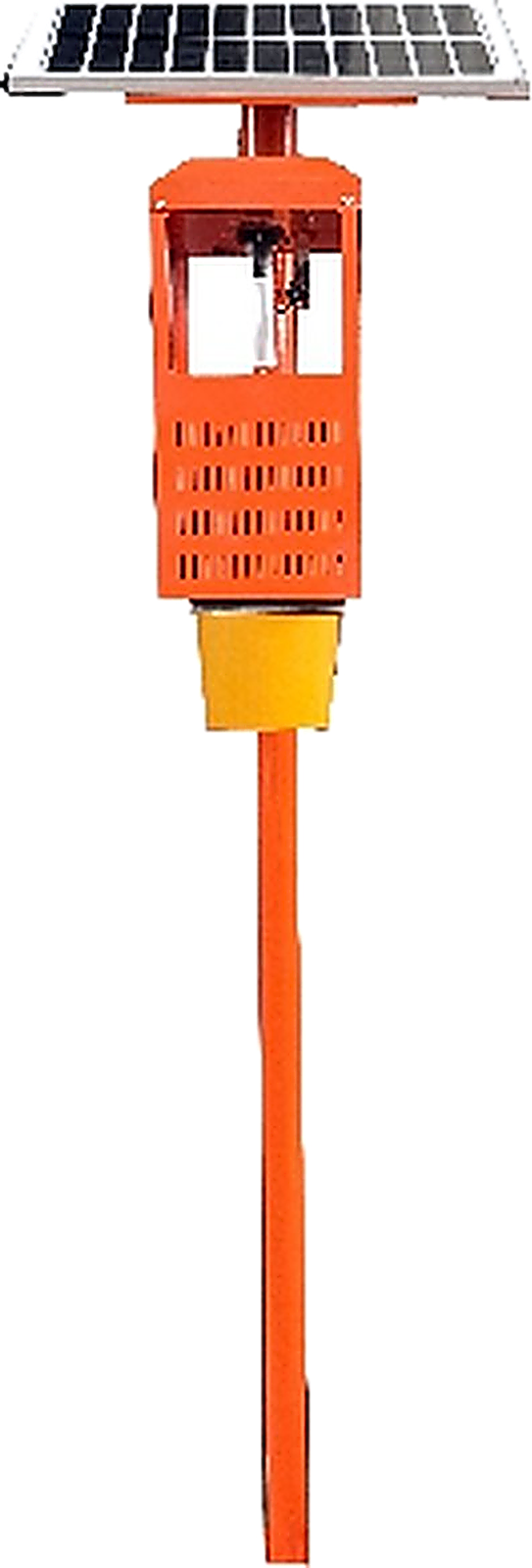

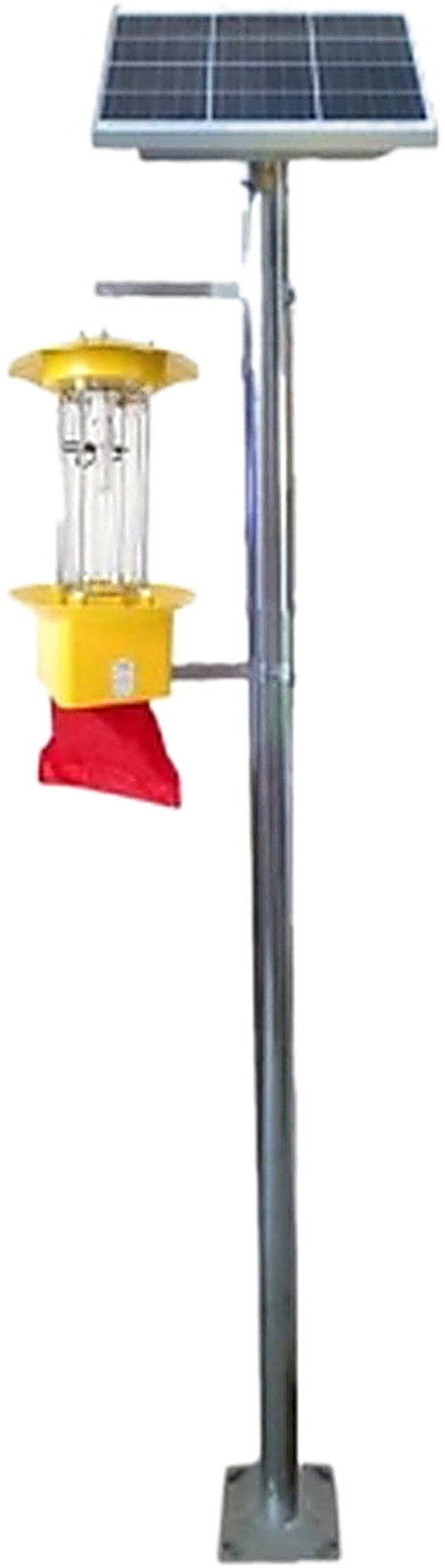

Use this guide alongside the references below to build a complete, defensible program.
For deeper technical and regulatory context, see the FAO Integrated Pest Management and the EPA safe pest control.
Do solar insect killers work in the UK’s low sunlight? Yes. Modern units charge through diffuse light and store enough for night operation; siting panels clear of shade is the main factor.
Which crops benefit most in Britain and Ireland? Oilseed rape, field vegetables, soft fruit and protected salads see the clearest gains, but orchard and nursery sites also use them for adult monitoring.
Will a trap replace insecticides entirely? Not usually. It is one IPM layer — most UK growers combine trapping with scouting, biologicals and targeted sprays only when thresholds are crossed.
Are they suitable for organic schemes? Physical trapping fits organic and integrated systems; check that the specific model’s consumables meet your certification body’s rules.
How many traps do I need per hectare? High-value crops often use one per 1–2 ha; lower-value arable uses perimeter rings for monitoring rather than full coverage.