For any grower or exporter selling fresh produce into the European Union, the maximum residue level (MRL) is the gatekeeper. An MRL is the highest level of a pesticide residue legally tolerated in a food or feed product. Cross it, and the shipment is rejected, destroyed or sent back at the supplier’s cost. As the EU tightens limits and adds substances to its monitoring list every year, more B2B buyers are asking for residue-free agricultural pest control—and the solar insect killer is becoming a central tool in that strategy.
The EU Regulation (EC) No 396/2005 sets MRLs for hundreds of active substances across dozens of crops. Two facts matter for exporters:
A single failed container can end a multi-year contract. That is why farm pest management plans now start from “how do we avoid the residue” rather than “which spray fixes the outbreak.”
Every synthetic spray adds residue risk. Even authorized products leave a trace that must be documented, timed and verified. The fewer applications, the lower the compliance burden. A solar bug zapper removes a meaningful share of foliar sprays by suppressing adult insects at the light-attraction stage—before they lay eggs in the crop.
Traditional pest control is reactive: scout, find a threshold breach, spray. Solar insect killers work continuously and preventively, thinning adult populations every night. This shifts the operation from a residue-generating event model to a steady, residue-free baseline.
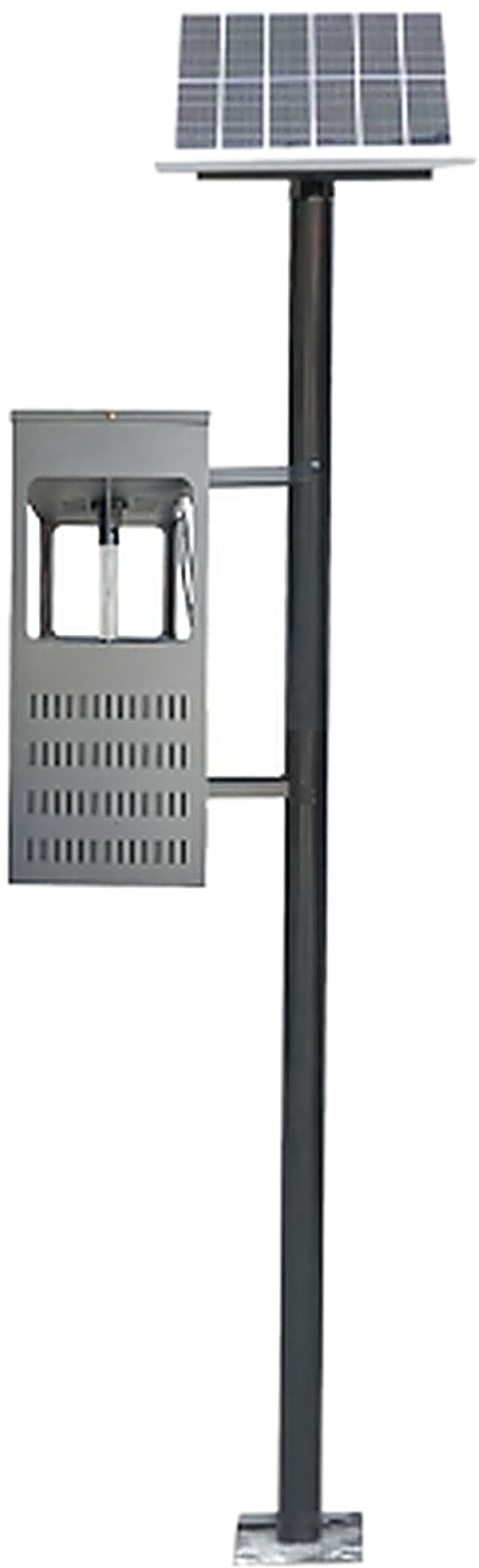
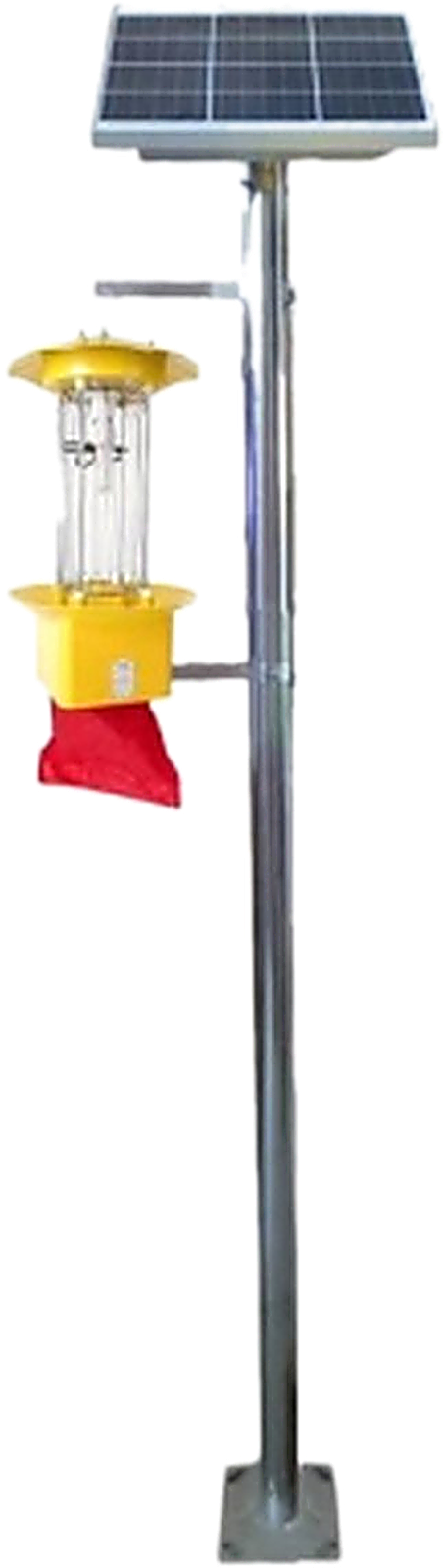
Light-and-suction traps contain no chemical active ingredient. They physically capture moths, flies and beetles attracted to the UV-LED spectrum. For crops like grapes, citrus and olives bound for the EU, this means fewer spray passes and a cleaner residue profile.
When adult pressure drops, growers can reserve targeted, low-risk products for genuine outbreaks only. Lower spray frequency directly lowers the chance of an MRL exceedance and simplifies the agricultural pest control record book that auditors inspect.
EU buyers increasingly require an Integrated Pest Management (IPM) plan. A documented solar insect killer deployment—with placement maps, run-hours and catch logs—demonstrates active, non-chemical control. That evidence strengthens a supplier’s compliance dossier.
A practical rollout for an export-oriented farm:
In each case, the solar insect killer reduces the spray events that create residue risk.
No. A solar bug zapper is one layer of IPM. Severe outbreaks may still need a targeted, compliant intervention. The goal is fewer events, not zero tools.
False. Even organic programs face residue rules for allowed substances and for contamination from neighboring conventional fields. Physical control helps both.
Residue-free describes the chemical load, not the absence of pests. The aim is market-compliant produce, achieved through a balanced farm pest management system.
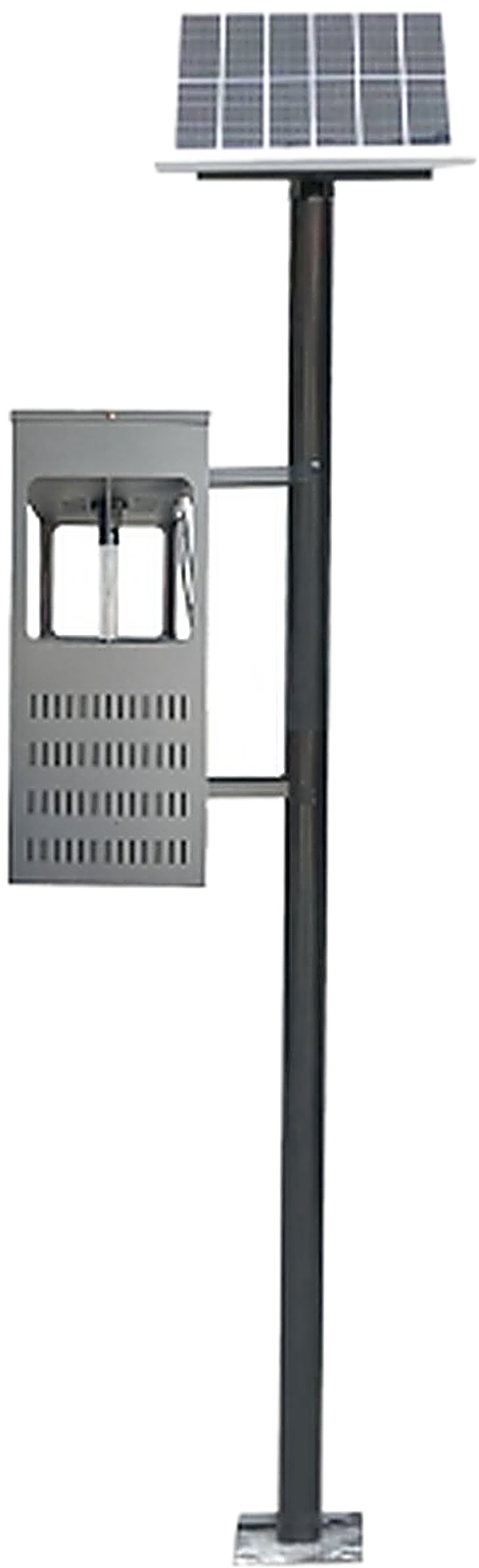
Use this guide alongside the references below to build a complete, defensible program.
For deeper technical and regulatory context, see the FAO Integrated Pest Management and the EPA safe pest control.
They reduce spray frequency, which lowers residue risk. They do not guarantee a pass on their own, but they materially strengthen a residue-free program when combined with disciplined IPM.
Light-attracted moths (codling moth, grape berry moth), medfly, olive moth and various noctuid loopers. These are exactly the species where adult suppression pays off before egg-laying.
The trap is a physical control product. Electrical safety (CE) and IP rating matter for the hardware; there is no pesticide registration because no active substance is released.
Keep a placement map, run-hour log and weekly catch records. A solar insect killer fleet with documented operation is strong, auditable evidence of an active IPM program.
EU MRLs are tightening, and residue-free status is now a commercial requirement, not a bonus. The solar insect killer lets exporters cut spray events, build a defensible IPM record and protect EU market access—turning pest control from a residue liability into a selling point.