
The South Caucasus—Georgia, Azerbaijan and Armenia—has quietly become one of the most interesting proving grounds for solar insect killer technology in temperate Eurasia. From the terraced vineyards of Kakheti to the hazelnut slopes of western Georgia and the subtropical citrus and pomegranate belts of southern Azerbaijan, growers are pairing centuries-old agronomy with modern agricultural pest control hardware. This case study breaks down what worked, what did not, and the numbers behind a measurable drop in pest-driven crop loss.
Three pressures converged at once. First, the European Union and Gulf import markets began demanding lower pesticide residues on wine grapes and nuts. Second, labor for manual spraying grew scarce and expensive. Third, the region’s long, warm summers with calm night air proved ideal for light-trap farm pest management.
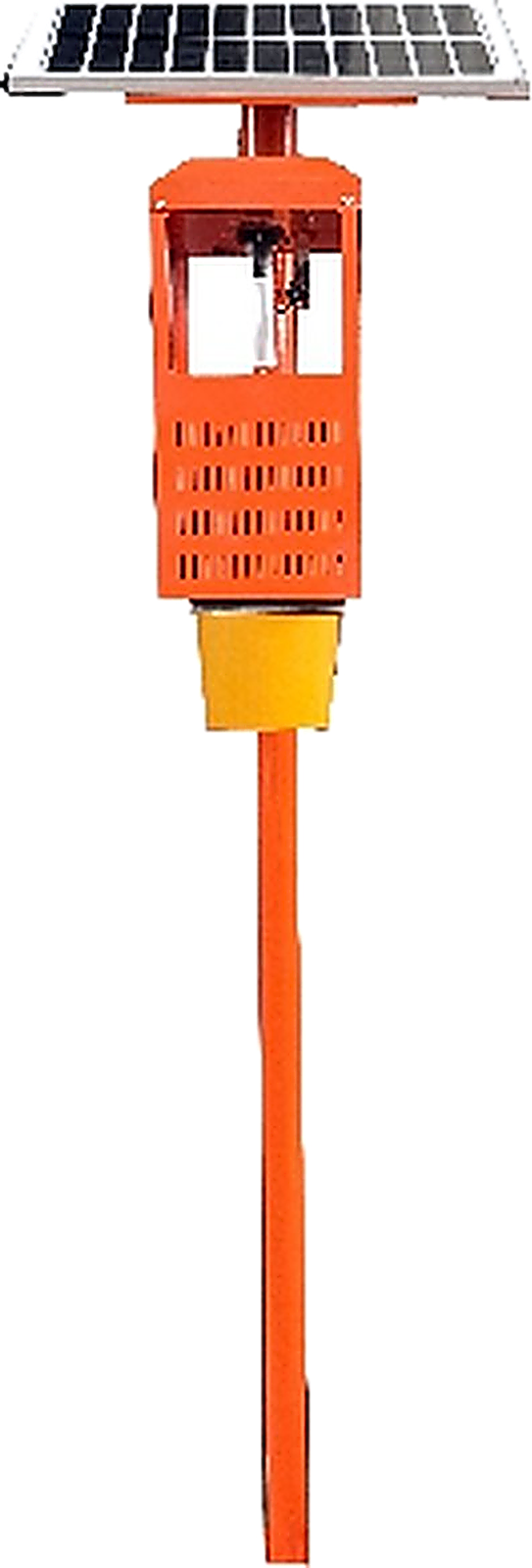
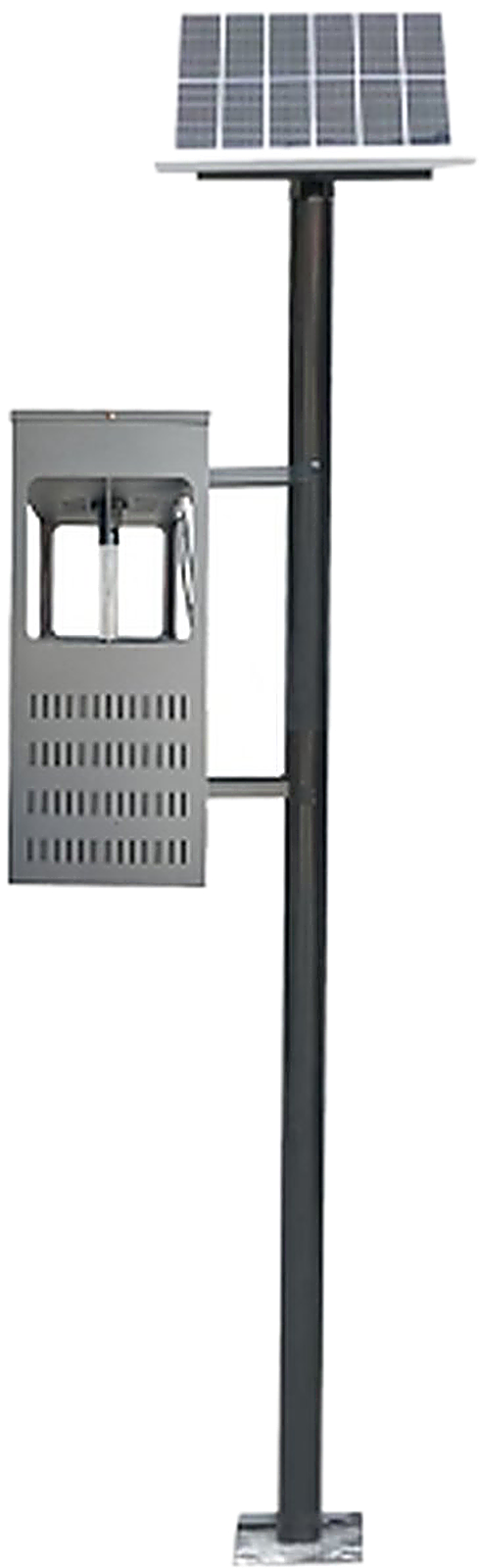
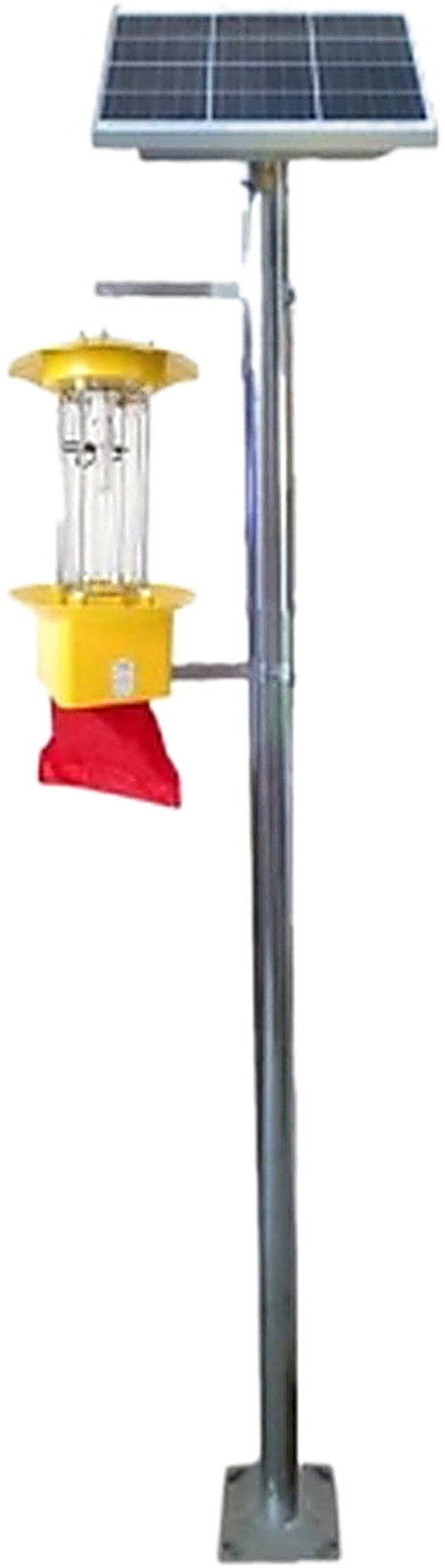
A cooperative of 14 family estates around Telavi (Georgia) and a 220-hectare hazelnut operation near Gori piloted solar bug zapper units mounted on 2.2-meter poles at 35–45 meter spacing. Because the devices run on a built-in photovoltaic panel and lithium battery, no grid connection was needed—critical for plots far from village power.
Caucasus growers face a mixed pest load:
Light-based attraction plus a fan or grid catches the adult flying stage before it lays eggs, which is exactly where agricultural pest control delivers the highest return: break the reproduction cycle, and larval damage collapses.
The winning configuration, refined over two seasons, looked like this:
Why edge rows matter most. Forest-adjacent rows act as pest corridors. Concentrating solar insect killer density on perimeter lines cut inward migration by an estimated 40% versus uniform spacing.
The cooperative tracked treated blocks against untreated control rows:
For a solar bug zapper program, the economic story is simple: fewer sprays, fewer rejected loads, and a cleaner export certificate. One estate calculated payback in 14 months including pole, unit and labor.
Crucially, Caucasus growers did not abandon all chemistry. They used the solar insect killer as the backbone of an integrated pest management plan: mating-disruption dispensers for codling moth, beneficial insect releases where needed, and spot sprays only when threshold counts justified it. This is the model that sustainable farm pest management demands—mechanical suppression first, chemistry last.
If you farm in a warm-temperate, low-wind-summer region with export ambitions, the Caucasus experience is directly transferable:

Use this guide alongside the references below to build a complete, defensible program.
For deeper technical and regulatory context, see the FAO Integrated Pest Management and the EPA safe pest control.
Do solar insect killers work in hilly Caucasus vineyards? Yes. Units mount on poles and need no grid power, so terraced and remote blocks are ideal. Battery capacity should be sized for the local winter-sun minimum if year-round use is intended.
Will they hurt bees and beneficial insects? Light traps mainly catch nocturnal flying pests. Day-active pollinators are largely unaffected. Positioning away from flowering hedgerows and using species-selective wavelengths further protects beneficials.
What is the maintenance load? Clean the collection tray or grid every 7–14 days in peak season, wipe the panel quarterly, and check the battery once a year. Most Caucasus estates service traps during normal vineyard walks.
Can small family wineries afford it? Cooperative bulk purchase and shared mounting labor brought unit cost down sharply. With spray savings, many sub-3-hectare estates recovered cost inside two seasons.
The Caucasus shows that a well-planned solar insect killer rollout can cut key pest damage by more than a third while simplifying export compliance. For Georgia and Azerbaijan growers, light-trap agricultural pest control has moved from experiment to standard practice—and the model travels well to any warm, low-wind growing region with quality-conscious buyers.