
Citrus is one of the most valuable fruit categories in world agriculture, and also one of the most pest-pressured. From the fragrant bloom of spring to the final swell of ripening fruit, an orange, lemon or mandarin orchard is a revolving buffet for flying insects. A single bad generation of fruit flies or leafminer moths can downgrade an entire export container from premium to reject. A solar insect killer gives growers a chemical-light, fully automatic line of defense that runs every night without labour, grid power or constant spray scheduling.
This guide explains which citrus pests a trap actually catches, how to place units in a fruiting block, and why this tool belongs inside a modern agricultural pest control program rather than outside it.
Citrus trees emit volatile compounds that are attractive to pollinators and pests alike. The sweet smell of open blossoms, the sugar signalling of colour-change fruit, and the sheltered microclimate under a dense canopy all combine to pull in night-flying insects. Three factors make citrus especially vulnerable:
A solar bug zapper does not replace agronomy, but it removes a large share of the adult flying population before they ever lay eggs in your crop.
Mediterranean fruit fly and Oriental fruit fly are the headline threats for oranges, mandarins and lemons. Adults are strongly attracted to the scent of ripening fruit and to UV-visible light traps. A well-tuned solar insect killer with a broad-spectrum attractant lamp pulls both species away from the canopy and cuts the number of eggs laid per fruit.
The leafminer adult is a tiny moth that lays eggs on new flush. The larvae tunnel through leaves, distorting growth and opening the door to citrus canker. Because the adult is a weak, short-range flyer active around dusk, it is exactly the kind of pest a low-mounted trap intercepts efficiently.
In regions where citrus psylla or related jumping plant lice pressure the crop, adult stages travel between trees at night. Trapping adults reduces the upward spiral of infestation that leads to shoot dieback and yield loss.
The most resilient orchards run Integrated Pest Management (IPM): monitor, tolerate below-threshold levels, and act only when needed. A solar insect killer is a physical, non-chemical control that slots into that framework cleanly:
Used this way, the trap is not a silver bullet — it is a steady, compounding reducer of risk.
Citrus blocks are row-structured, which makes trap layout straightforward. Practical rules growers use:
A separate, deeper guide on trap density per crop is worth reading if you manage mixed blocks, but the principle holds: a solar insect killer works best as a distributed network, not a single hero unit in the farmhouse yard.
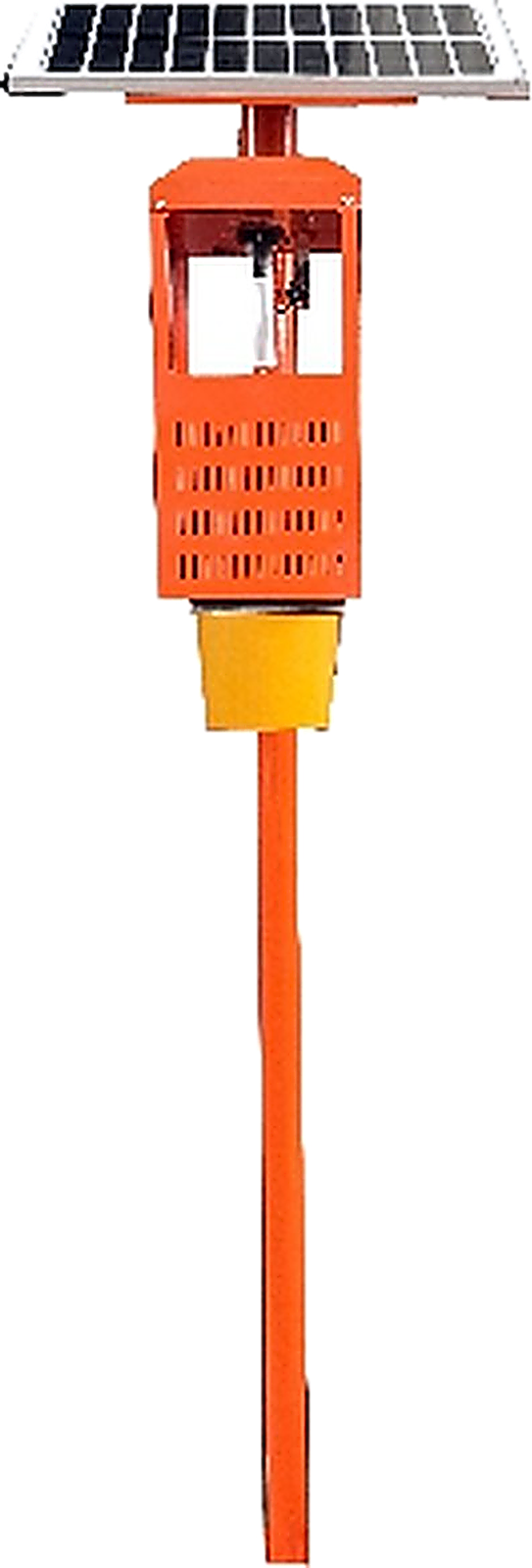
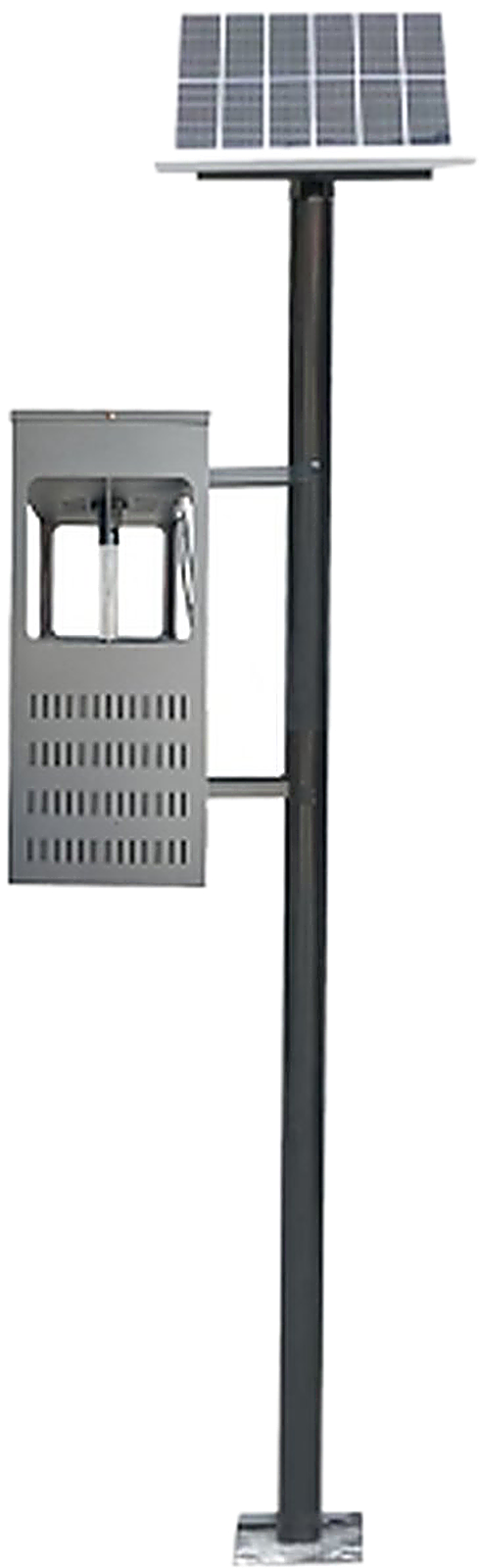
Citrus orchards are often far from reliable grid power, and running cables through a working block is expensive. A solar-powered unit charges during the day and operates through the night on its own battery, with no recurring energy cost. Look for weatherproof housings rated for rain, orchard dust and temperature swings, plus a sealed kill chamber that is easy to empty during routine scouting.
The financial case is simple. Each avoided insecticide round saves product, labour and machinery time. More importantly, protecting external fruit quality protects price. A single container of blemished citrus can lose far more value than the entire cost of a season’s trap network. For exporters and packhouse suppliers, that grade protection is the real return on a solar insect killer investment.


Use this guide alongside the references below to build a complete, defensible program.
For deeper technical and regulatory context, see the FAO Integrated Pest Management and the EPA safe pest control.
How many solar insect killers do I need per hectare of citrus? For moderate pressure, plan one unit per 0.2–0.3 hectare (roughly every 40–50 metres of row). In orchards with a severe fruit fly history, double the density during the peak flight months.
Do solar insect killers control citrus leafminer? They intercept the adult moth, which is the stage that lays eggs. They reduce new infestations but should be paired with flush monitoring and, where needed, targeted biologicals.
Can traps replace pesticides in a citrus orchard? Not entirely on their own. They are most effective as part of an IPM program that also uses sanitation, monitoring and threshold-based spraying. Most growers see spray rounds drop, not disappear.
What height should I mount a trap in citrus? Around 1.5–2 metres, aligned with the lower-to-mid canopy where adult flight and egg-laying activity concentrate.
A solar insect killer is one of the highest-leverage, lowest-effort tools a citrus grower can add to an agricultural pest control plan. It runs silently every night, protects fruit grade, and reduces chemical load without adding labour. FOSIBO supplies wind-suction and grid-type solar traps in OEM and ODM configurations for orchard-scale deployment — contact our export team to size a network for your block.