
A bulk order of solar insect killers is a multi-year field commitment: the units sit outside, charge every day and are expected to work through several pest seasons. A sample evaluation is the cheapest way to find out whether a supplier’s claims hold up under your conditions before a container leaves the factory. This guide sets out a seven-step buyer test for importers, distributors and farm cooperatives, covering build quality, charging, nightly capture performance, safety, paperwork and communication.
It is written for buyers of wind-suction solar bug zapper equipment who need repeatable agricultural pest control and defensible farm pest management records.
Two quotations can look identical on paper while the panels, batteries, intake guards and chamber seals differ significantly. A structured bench test exposes those differences in a few days and prevents a costly mismatch between the datasheet and the field.
Evaluate the unit in the crop and climate where it will actually work. Shade, dust, humidity and night temperature all change capture rates. A trial on a clean rooftop tells you very little about an orchard edge or a dusty smallholder plot.
Before requesting a sample, list the measurable criteria: panel wattage, battery chemistry, runtime after two cloudy days, chamber capacity, guard mesh size, mast height and spare-parts availability. A sample evaluation without written criteria becomes a matter of opinion, and opinions are hard to defend to a purchasing committee.
Ask for one or two units with the specification sheet, wiring diagram, spare-parts list, warranty terms and any test reports. Note how quickly the supplier replies and whether answers are consistent across email and call. Supplier responsiveness during this early stage is a reliable preview of after-sales behaviour.
Inspect welds, fasteners, panel frame, fan housing and the collection chamber seal. A solar insect killer that rattles or has uneven panel mounting will not survive months of wind. Photograph each part and keep the images attached to your evaluation record for warranty discussions.
Place the unit in full sun for two days, then run it from dusk until dawn and record the hours achieved. Repeat after a simulated cloudy period by covering part of the panel. Runtime is the single most useful number in the whole sample evaluation, because an under-sized battery turns every other feature into a theoretical benefit.
Run the unit at a representative field edge for at least seven nights. Empty the chamber each morning, sort the target pests from by-catch and record counts by date. Compare the trend with a light trap or scouting count you already trust. Capture data from one week is not proof of season-long efficacy, but it is far better than a brochure figure.
Inspect the intake guard and confirm that large beneficial insects cannot enter. Check the mounting pole, cable routing and any exposed edges. Where local rules cover light pollution or pollinator protection, note whether the design complies. Safety findings belong in the test report even when they are minor.
Ask the supplier to quote a pilot order and a full container, with Incoterms, lead time and spare-parts pricing in writing. Confirm that the model name on the sample matches the model on the quotation. A mismatch discovered now costs a phone call; discovered after shipment it costs a season.
Give each criterion a simple pass, fail or needs-improvement mark and a weight. Build quality and runtime usually deserve the highest weight, followed by capture performance, documentation and price. A transparent score makes the result easy to share with finance and with cooperative members who did not attend the field test.
Order a small pilot of four to ten units after a passing sample evaluation. Deploy them across different blocks and keep the same counting routine. If the pilot reproduces the sample results, scale to a container with confidence and keep one spare unit for future comparison.
File the photos, daily counts and score sheet in one folder and revisit them each season. When a supplier changes a component, repeat the sample evaluation on the revised model. Continuous records turn a one-off purchase into a repeatable farm pest management process.

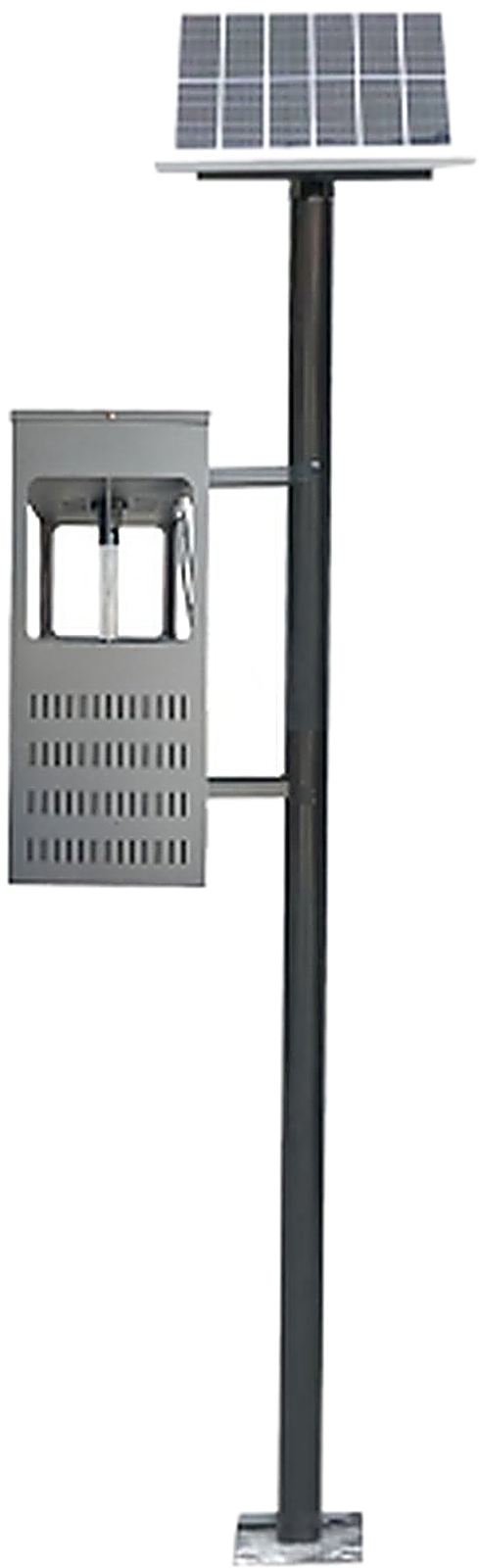
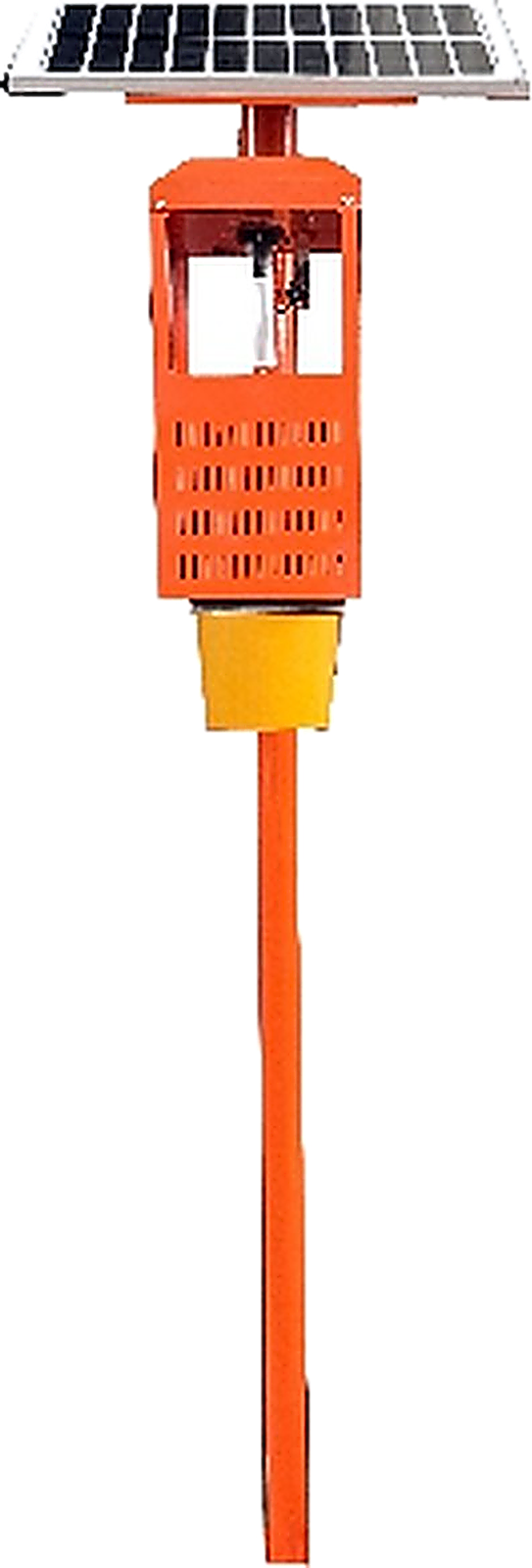
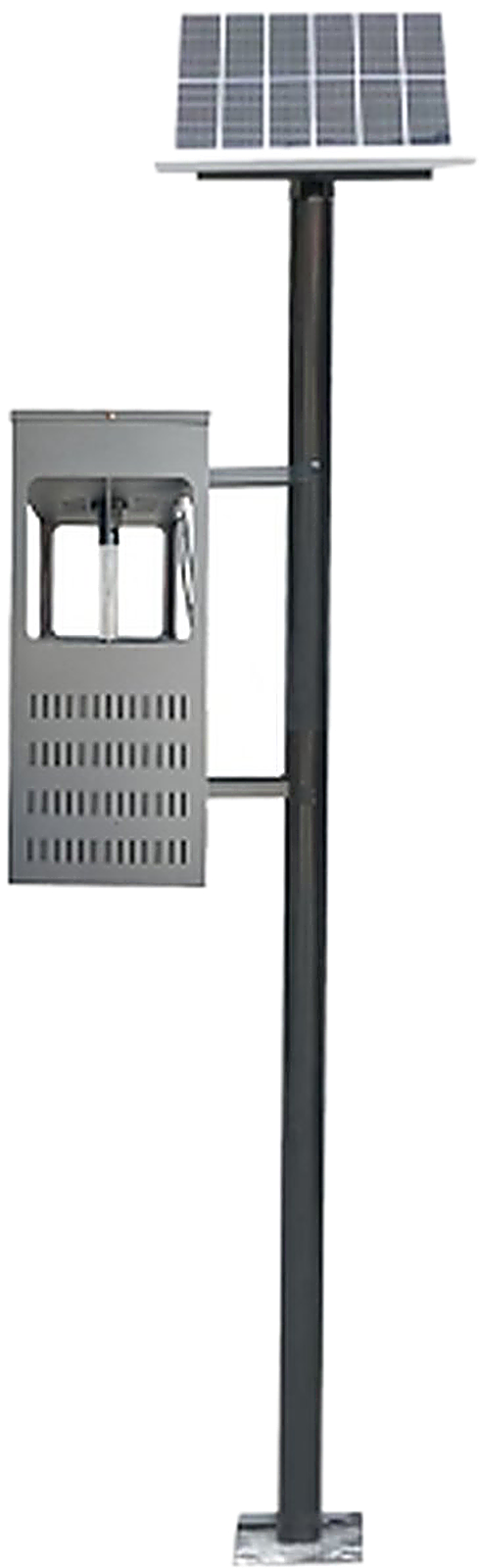
Use this guide alongside the references below to build a complete, defensible programme.
For deeper technical and regulatory context, see the FAO Integrated Pest Management and the EPA safe pest control.
How long should a sample evaluation take? Allow two days for charging checks and at least seven nights of field counts. Ten nights is better when pest flight is uneven.
How many sample units should I buy? One unit is enough for build and charging checks; two units let you compare placement. Buy directly if the supplier charges for samples, and agree whether the fee is credited to the first order.
Can a solar bug zapper be evaluated in winter? You can check build and charging, but capture data will be weak. Schedule the field portion of the sample evaluation during the target pest flight season.
What if the sample fails the test? Send the dated photos and counts to the supplier and ask for a corrected unit or design change. A supplier who responds with a fix is still a viable partner; one who disputes your records is not.
Does the sample evaluation replace certification checks? No. Certificates, import rules and warranty terms must be verified separately. The physical test covers performance and supplier behaviour, not legal compliance.