
When you buy a solar insect killer for a remote farm, the purchase price is only part of the story. The bigger question is what happens in year two, when a fan wears out or a battery fades. A field serviceable design — one built from swappable modules — decides whether a small failure becomes a thrown-away device or a ten-minute repair.
A modular solar insect killer separates the machine into independent blocks: the photovoltaic panel, the battery pack, the LED lamp, the fan or grid, and the controller. Each block connects with simple plugs or a few screws. If one part fails, you replace that part — not the whole unit. This is the difference between a field serviceable tool and a sealed disposable one.
In agricultural pest control, a dead trap during peak flight season means nights of uncaptured insects and rising egg-laying. A field serviceable unit lets a worker swap a battery or fan on site in minutes, keeping protection continuous. A sealed unit may sit in a box for weeks waiting on a return.
You pay for one module instead of a whole new solar bug zapper. Over a fleet of dozens of devices, that difference compounds into major savings and a far better lifetime cost for farm pest management.
Remote orchards and off-grid farms cannot afford to ship units across a country for service. A field serviceable design lets local technicians or even trained farm staff handle common failures with a small spare-parts kit.
A battery that unclips without soldering keeps the lamp running through cloudy weeks. For a solar insect killer in a monsoon or high-latitude winter, a spare pack is insurance.
The capture element wears fastest. A field serviceable fan or grid that pops out for cleaning or replacement extends the core life of the device and sustains capture performance.
Lamp output fades over years. A plug-in LED module lets you restore attraction without replacing electronics, preserving the solar bug zapper’s effectiveness.
The controller should resist water and dust but remain openable for a firmware or board swap. True field serviceable engineering protects the brain without welding it shut.
Buyers focused only on sticker price miss the point. A cheap sealed solar insect killer that dies at month eighteen costs more per protected season than a field serviceable unit that runs five years on swapped modules. For serious agricultural pest control, calculate cost per season, not cost per box.
When sourcing a solar insect killer for a co-op, estate or government program, ask the supplier four questions: Are modules user-replaceable? Are spare parts priced separately? Is there a repair manual? Are connectors standard, not proprietary? A confident, detailed answer signals a genuinely field serviceable product built for farm pest management at scale.
Repairability is also environmental stewardship. Every module swapped instead of discarded keeps plastic, electronics and batteries out of landfills. A field serviceable solar bug zapper aligns pest control with the clean, low-impact story buyers increasingly expect.
Before signing a bulk order, score each candidate solar insect killer against a simple checklist. Can the battery be removed without cracking the sealed shell? Are the fan, lamp and controller individually listed as spare parts with public prices? Does the supplier provide a repair guide with exploded diagrams? Are connectors standard rather than glued? Is there a local or regional stock of modules? A product that answers yes to most of these is genuinely field serviceable and will protect your agricultural pest control budget for years, while one that hides behind proprietary, glued assemblies will quietly drain it.

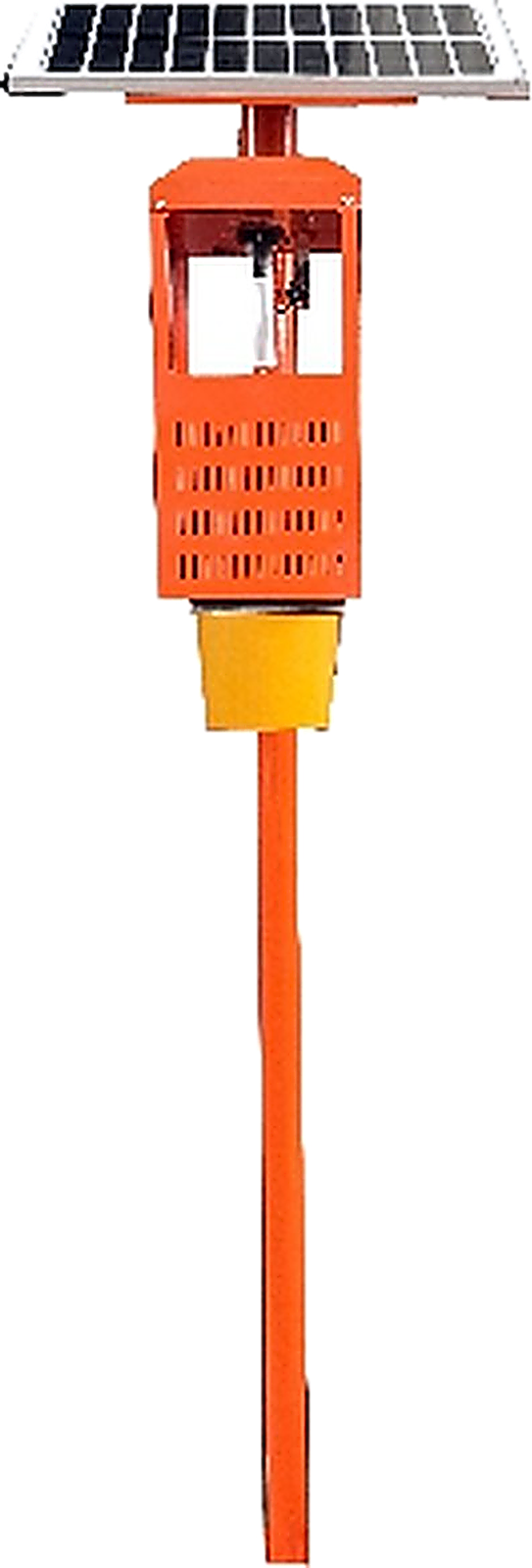
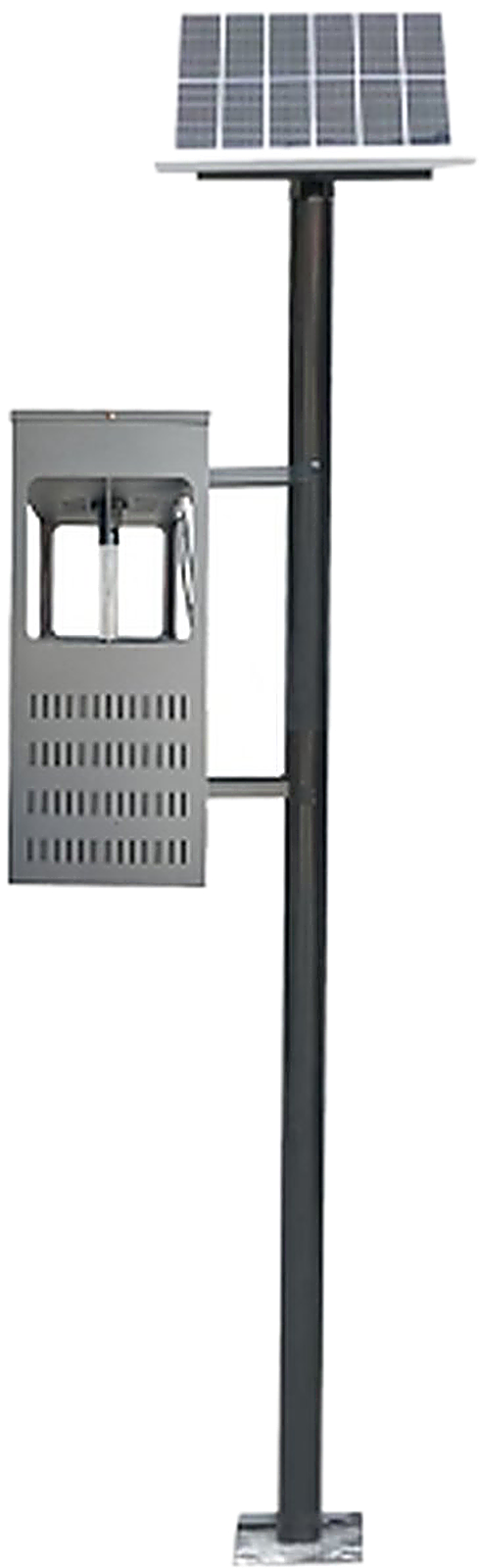
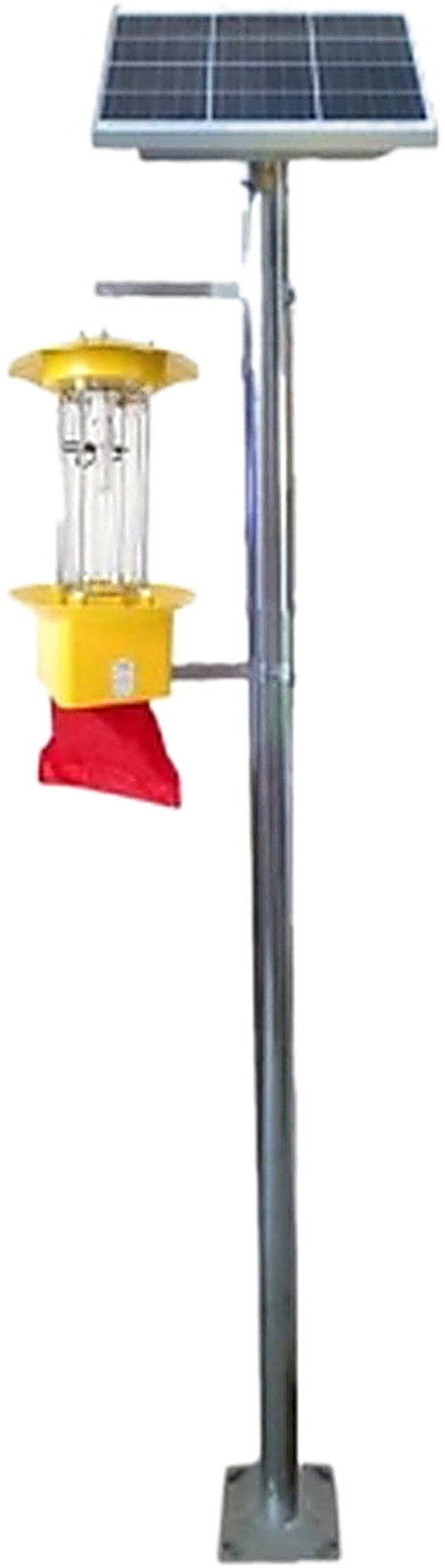
Use this guide alongside the references below to build a complete, defensible program.
For deeper technical and regulatory context, see the FAO Integrated Pest Management and the EPA safe pest control.
Is a modular solar insect killer harder to install? No. Modular units are often easier because blocks click together; the field serviceable layout also makes first setup clearer.
Do spare parts cost a lot? Individually they are a fraction of a full replacement, which is exactly why a field serviceable design lowers total cost.
Can farm staff do the repairs? With a basic kit and a short guide, yes — common swaps like battery or fan are simple, keeping the solar insect killer running without a technician visit.
Does modular mean less weatherproof? Not if designed well. Good field serviceable units seal each module while keeping it openable, so protection and repairability coexist.
How long should such a unit last? A well-built, field serviceable solar bug zapper commonly runs four to six years, limited mainly by consumable modules you can replace.