Buying a solar insect killer from an overseas OEM is easy to quote and hard to settle. The product is cheap per unit but a container order ties up real working capital, and the supplier sits thousands of kilometers away with different laws and language. This guide walks B2B importers through the payment and trade-finance options that actually de-risk a cross-border agricultural pest control purchase — from the first prototype to the thousand-unit reorder.
Most suppliers of solar bug zapper units offer the same four structures. Understanding each protects your cash flow and your shipment.
The most common method: a deposit (often 30%) paid before production, balance paid against a copy of the bill of lading. Simple and fast, but it places trust entirely in the supplier. Use T/T only after verifying the factory through a third-party audit or a successful small trial order.
A bank promises payment to the supplier once shipping documents matching strict terms are presented. L/C reduces supplier risk and is preferred for large first orders. The cost is fees and document precision — a single typo can delay payment for weeks. For farm pest management fleets worth six figures, the protection is usually worth it.
A neutral platform holds your funds and releases them when you confirm receipt and quality. Escrow suits mid-size orders where neither party fully trusts the other, though few agricultural-equipment suppliers natively support it.
Marketplaces and B2B platforms offer built-in dispute and refund protection on qualifying orders. Convenient for sampling, less so for full containers where direct terms are cheaper.
| Stage | Recommended method | Why | |——-|——————-|—–| | Sample / prototype | T/T or platform assurance | Low amount, speed matters | | First container | L/C or escrow | Unknown supplier risk | | Reorder with proven partner | T/T with phased balance | Trust established | | Annual contract | Open account + bank guarantee | Deep relationship |
A solar insect killer quote is usually in USD, but your revenue may be in EUR, JPY, or a local currency. A 5% move in exchange rates can erase the margin on a tight agricultural pest control deal.
Importers rarely want to prepay a full container months before resale. Trade finance tools help:
Payment structure is itself a negotiable line item, not a fixed cost. Once a supplier wants your repeat business, you can often improve terms without changing price.
Document every variation in the proforma invoice so the bank, customs broker, and your own accountant read the same terms.
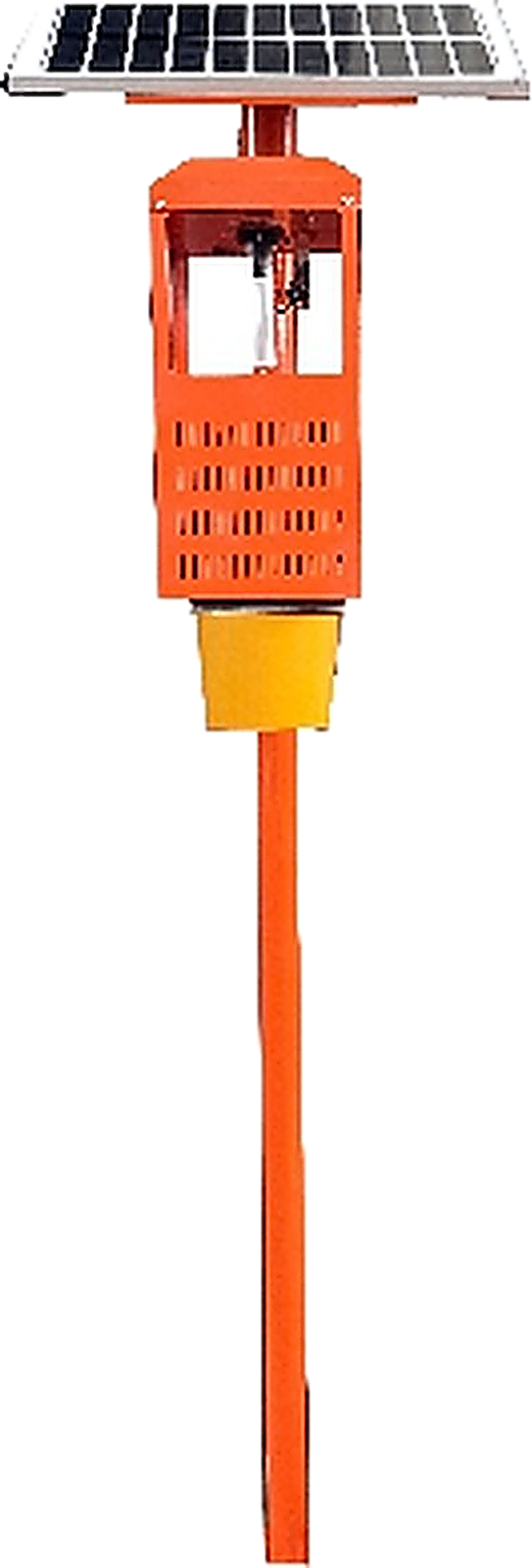
Use this guide alongside the references below to build a complete, defensible program.
For deeper technical and regulatory context, see the FAO Integrated Pest Management and the EPA safe pest control.
Q1: Is L/C worth the extra cost for a small first order? If the order exceeds your risk tolerance for total loss, yes. For sub-$5,000 trial orders, a verified platform assurance is usually enough.
Q2: Can I pay 100% after delivery? Only with an established partner or via escrow/trade assurance; overseas OEMs rarely ship full containers on open account to new buyers.
Q3: How do I hedge FX on a seasonal farm pest management buy? Book a forward contract with your bank when you confirm the order, covering the expected settlement date.
Q4: What Incoterm protects the buyer most? CIF or CFR places shipping and insurance on the seller until port of destination; FOB gives you control of freight. Choose based on whether you have a trusted freight forwarder.
Paying for a solar insect killer import is a risk-management exercise, not just a transaction. Match the method to the relationship stage, hedge currency exposure on large orders, and use L/C or escrow when the supplier is unproven. Solid payment terms turn a nervous first agricultural pest control purchase into a repeatable, financeable supply line.