
European B2B buyers of solar pest-control equipment face a new layer of paperwork in 2026. Two regulations now shape how importers bring solar insect killer units and components into the EU: the EU Deforestation Regulation (EUDR) and the Carbon Border Adjustment Mechanism (CBAM). This guide explains what CBAM importers and distributors need to know, and gives a practical compliance checklist for sourcing solar bug zapper and agricultural pest control equipment from overseas factories.
The EUDR mainly targets deforestation-linked commodities, but its due-diligence logic now reaches any importer building a verifiable supply chain. For a farm pest management buyer, the practical effect is documentation: you must show where your supplier’s key materials come from and that they are not linked to illegally cleared land.
For solar insect killer importers this means asking the factory for:
Buyers who fold this into their farm pest management procurement early avoid the last-minute scramble that hits importers who treat it as a customs afterthought.
CBAM puts a carbon price on embedded emissions in imported goods. As the transitional period matures in 2026, CBAM importers of metal-intensive products — and solar insect killer housings are mostly aluminium and steel — must report, and eventually pay, on the carbon used to make those components.
That changes the buying maths:
For a solar bug zapper distributor, this turns material choice into a compliance and cost decision, not just a spec sheet line.
A practical EUDR and CBAM checklist for CBAM importers of solar insect killer equipment:
Distributors that systematise this win tenders from public and corporate buyers who themselves must report.
If you private-label a solar insect killer, the compliance burden sits with you as the importer of record. Ask your ODM partner for:
Selecting a factory that already serves the EU market short-cuts much of this, because their documentation is often CBAM-ready. A good agricultural pest control supplier treats EUDR and CBAM as part of the quote, not a surprise at the border.
CBAM should be read alongside the total cost of ownership of a solar insect killer, not in isolation. A unit with a slightly higher upfront price but low-carbon aluminium and a longer lifespan can be cheaper across its life once carbon costs are included. For CBAM importers building a farm pest management catalogue, modelling the carbon line item per SKU turns compliance from a tax into a buying criterion that strengthens the range.
Avoiding these keeps a solar bug zapper import line moving instead of stalling at customs.
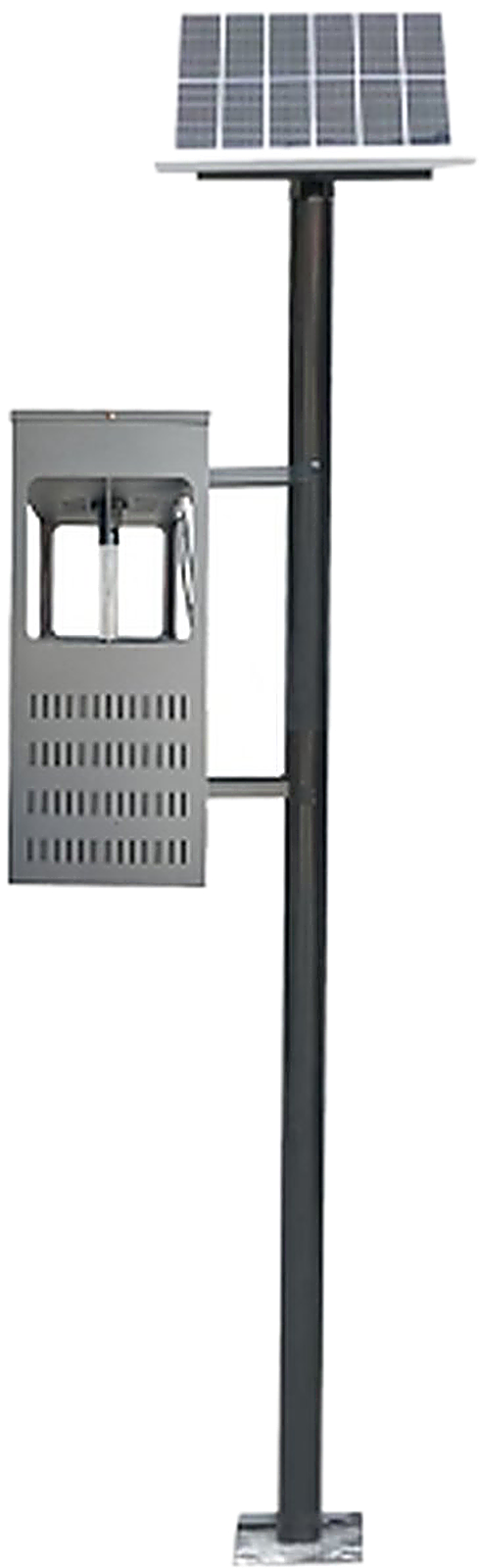



Use this guide alongside the references below to build a complete, defensible program.
For deeper technical and regulatory context, see the FAO Integrated Pest Management and the EPA safe pest control.
Does EUDR apply to a solar insect killer directly?
Not as a deforestation commodity, but its due-diligence expectations reach importers through packaging, pallets and material sourcing documentation.
Do I pay CBAM on every unit in 2026?
During the transitional phase you report embedded emissions; the financial charge phases in as the mechanism matures. Check the current EU timeline with your customs broker.
Can a Chinese factory help with CBAM data?
Yes. Established EU-facing suppliers provide embedded-emission figures and material declarations as part of their export package.
Is local assembly a way to lower CBAM exposure?
Partial local assembly or consolidation can reduce the effective embedded carbon per imported component, but you must still document the split correctly.
Where does farm pest management fit in?
Compliance is part of procurement: buyers who specify low-carbon, documented materials protect both their margin and their customers’ reporting obligations.