
Every family farms, school gardens, and rural homes gains from a child pet safety plan that targets the adult flying stage and runs through peak season.
A child pet safety plan works best when devices are spaced by habitat and maintenance is scheduled before peak season, not after pests arrive.
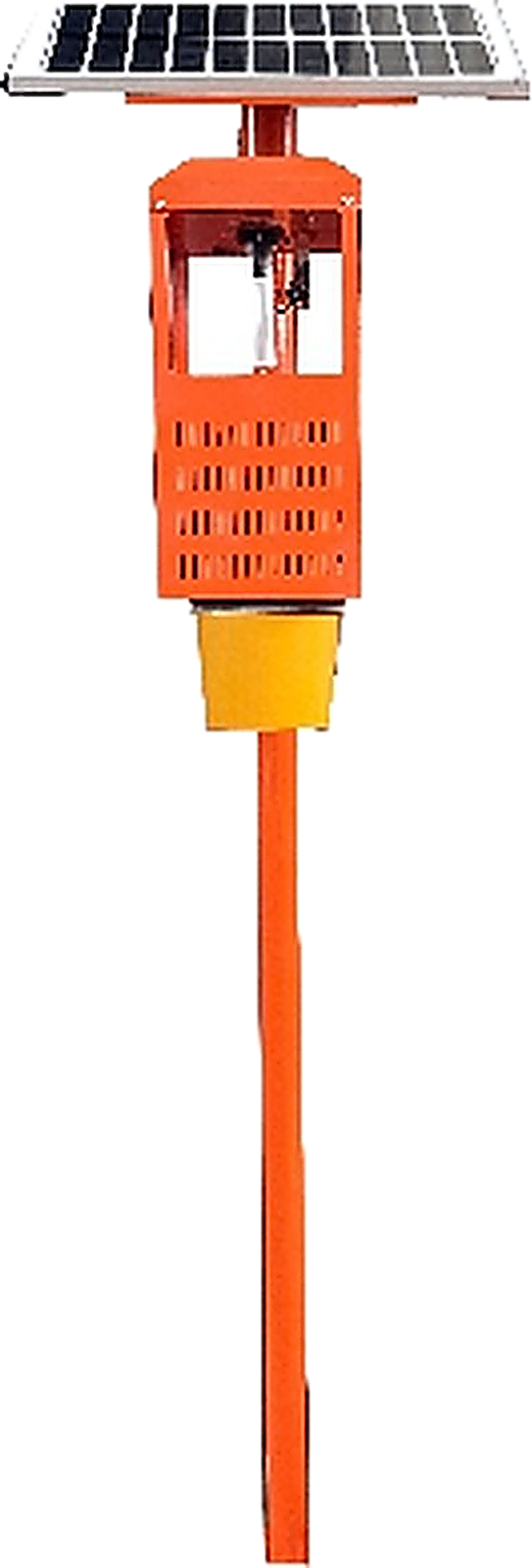
A solar insect killer is one of the safest forms of agricultural pest control available — it uses no broadcast chemical spray — but like any powered device placed outdoors, it deserves thoughtful siting. On family farms, school gardens, and rural homesteads, children and pets share the same space as the equipment. Good farm pest management is not only about killing pests; it is about protecting the people and animals who live around the trap.
This guide covers practical, field-tested measures to keep everyone safe while the solar bug zapper does its job.
These units draw insects into a collection box with a fan and disable them physically. They have no exposed high-voltage grid, which makes them the preferred choice for homes, schools, and anywhere children or curious pets roam. For a child safe pest control setup, suction models are the lower-risk option.
Grid-style units use a high-voltage mesh to zap incoming insects. They are highly effective but carry a shock risk if touched. They should be mounted out of reach and clearly marked, and are better suited to fenced commercial blocks than to open family yards.
Dogs and cats are naturally curious. A few simple rules reduce risk:
For livestock such as chickens or goats, fence off the immediate base of grid models during the first week of deployment until animals learn to ignore them.
Families running a solar insect killer for home vegetable gardens or small orchards should:
Because the device runs on sunlight and has no fuel or flame, it removes many hazards associated with traditional pest control, making it a strong fit for farm pest management where families work and live.
Schools adopting a solar bug zapper for outdoor learning should prefer suction models, mount them above head height, and include a short safety note in the garden curriculum. Teachers can turn the trap into a safe, chemical-free lesson about nocturnal insects and ecology.
Despite precautions, curiosity can win. If a child or pet touches a suction model, simply switch it off and check for trapped fingers or paws; there is no electrical hazard. For grid models, if contact occurs, disconnect power at the source, do not touch the person or animal while the grid may still be live, and seek medical or veterinary advice if a shock or burn is suspected. Keep the supplier’s emergency guidance with your farm first-aid kit.
Typhoon and storm seasons demand extra vigilance. Before heavy weather, secure or lower units, and after the storm re-check mounts and seals. In dry, dusty periods, clean panels more often so the device keeps charging and remains effective — a poorly maintained solar insect killer is both less useful and more likely to develop faults that create safety gaps.
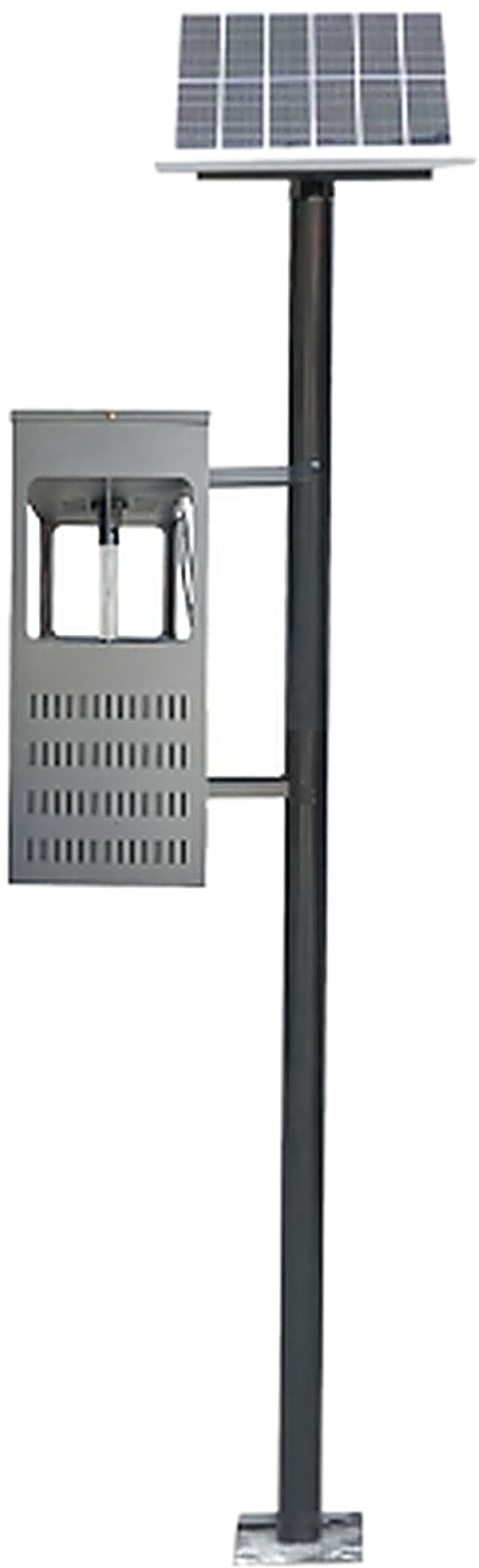
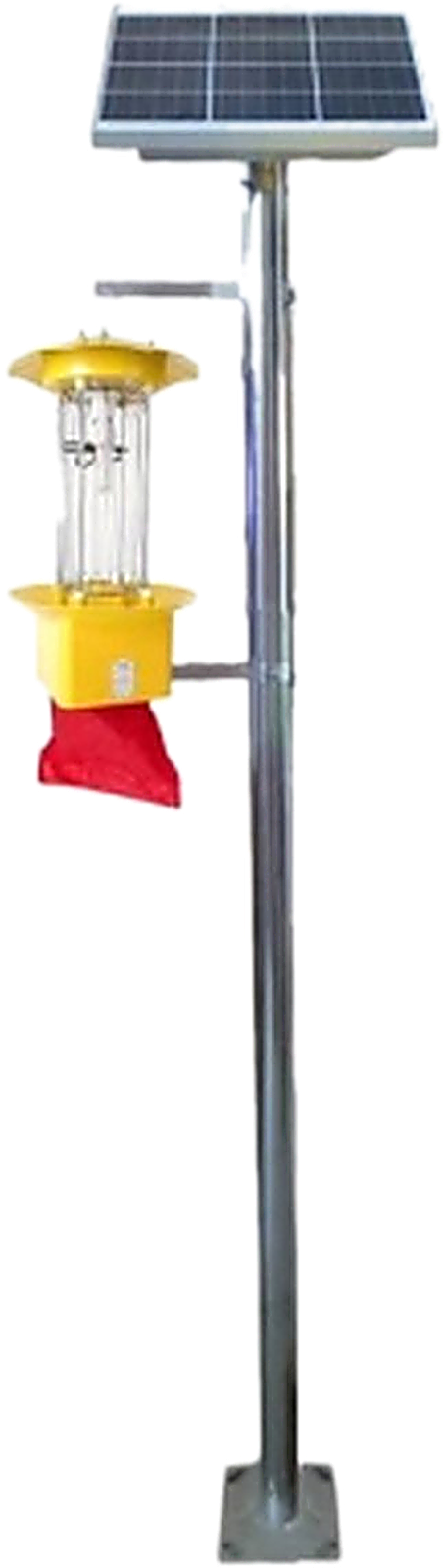

Use this child pet safety guide alongside the references below to build a complete, defensible program.
For deeper technical and regulatory context, see the FAO Integrated Pest Management and the EPA safe pest control.
Are solar insect killers safe for babies and toddlers? Suction models mounted high and away from play areas are very safe. Grid models should be fenced or placed where toddlers cannot approach.
Will my dog or cat get shocked by a solar bug zapper? Only grid-type units carry a shock risk. Mount them out of reach and consider suction models for free-roaming pets to ensure pet safe insect killer operation.
Do solar insect killers use harmful chemicals? No. They rely on light attraction and physical capture or a contained grid, so there is no chemical residue in your garden or on your pets.
Can I use a solar insect killer in a school garden? Yes. Choose a suction model, mount it above head height, and brief students on safe distance. It is an excellent chemical-free teaching tool for agricultural pest control concepts.