
Tunisia combines Mediterranean olive belts, citrus groves around the Cap Bon peninsula and date palm oases toward the Sahara. Each system has a different pest calendar, but all three share the same constraint: long, dry, sunny seasons with flying insects that arrive after dusk and a strong need to keep input costs low. This article is an illustrative planning scenario, not a report of a measured field trial. It shows how a buyer or cooperative in Tunisia could structure a solar-assisted agricultural pest control program, what to record and which decisions to make before placing a bulk order.
Olive, citrus and date producers all face fruit flies, moths and beetles that move between neighbouring blocks. A solar insect killer can be moved between crops as the flight seasons shift, which suits small and medium holdings that cannot justify a separate device for each plot. In Tunisia, where many farms are family-run and electrically isolated at the field edge, that portability matters as much as capture performance.
The same long summer days that drive irrigation demand also keep batteries charged. A correctly sized panel and storage battery let a solar bug zapper run from dusk to dawn without a mains connection. Dust is the real enemy in this climate, so the Tunisia plan puts panel cleaning into the weekly routine rather than treating it as an occasional task.
List the target insects by month for each crop. Olive fruit fly, citrus leaf miner and date palm borers peak at different times, so the Tunisia plan staggers deployment instead of running every trap all year. A written calendar turns a purchase into a schedule.
Walk the grove at dusk and note where flights are heaviest: near water, along windbreaks, beside storage yards. Place the first units at those points. Local farms often have irregular boundaries, so a simple hand-drawn map is more useful than a perfect grid.
Set the intake above the crop line on an isolated pole with no shade from trees or buildings. In dense olive rows, an extra metre of height makes a visible difference to nightly counts. Keep access safe for the person who will empty the chamber.
Collect fallen fruit and prune infested branches before the flight begins. Solar trapping removes adults, but sanitation removes the breeding sites that keep pressure high. In the dry climate here, rapid removal of fallen fruit is a low-cost complement to any farm pest management plan.
Use wind-suction units with correctly sized intake guards and avoid placing them beside flowering hedges during peak bloom. Check local extension guidance before switching on near bee activity. The Tunisia scenario treats biodiversity protection as a design requirement, not an afterthought.
Empty the collection chamber weekly and log the weight or count of targeted insects. A rising curve means egg laying is close; a flat curve means the unit may need repositioning. Records from one Tunisia season become the baseline for the next buying decision.
Compare capture peaks with fruit damage at harvest. If damage stayed low after a strong flight peak, the placement strategy is working. If damage rose despite high captures, the local program needs more traps or better timing. This loop is the difference between a demonstration and a repeatable system.
Begin with a small pilot across the three highest-pressure blocks rather than outfitting the whole farm. Two to four units are enough to see nightly patterns when the blocks are close together. Scale up only after the first season of counts and damage records is complete.
Request the panel rating, battery chemistry, intake guard specification, chamber capacity and a written spare-parts list. Ask for a sample unit before a container order, and confirm that the charger handles the high ambient temperatures typical of Tunisia summers. A supplier who answers in writing is easier to audit later.
Solar trapping is one layer inside integrated pest management: monitoring, sanitation, biologicals, targeted treatment and harvest verification. Here, where export buyers increasingly ask for residue data, the ability to show a trap log alongside a reduced spray record is a commercial advantage.
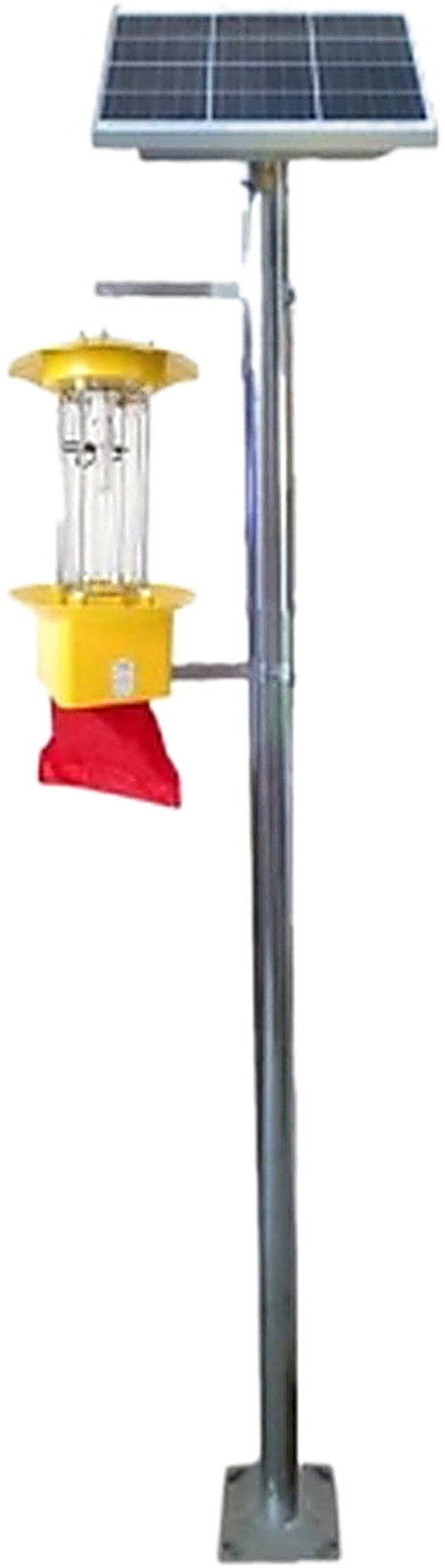

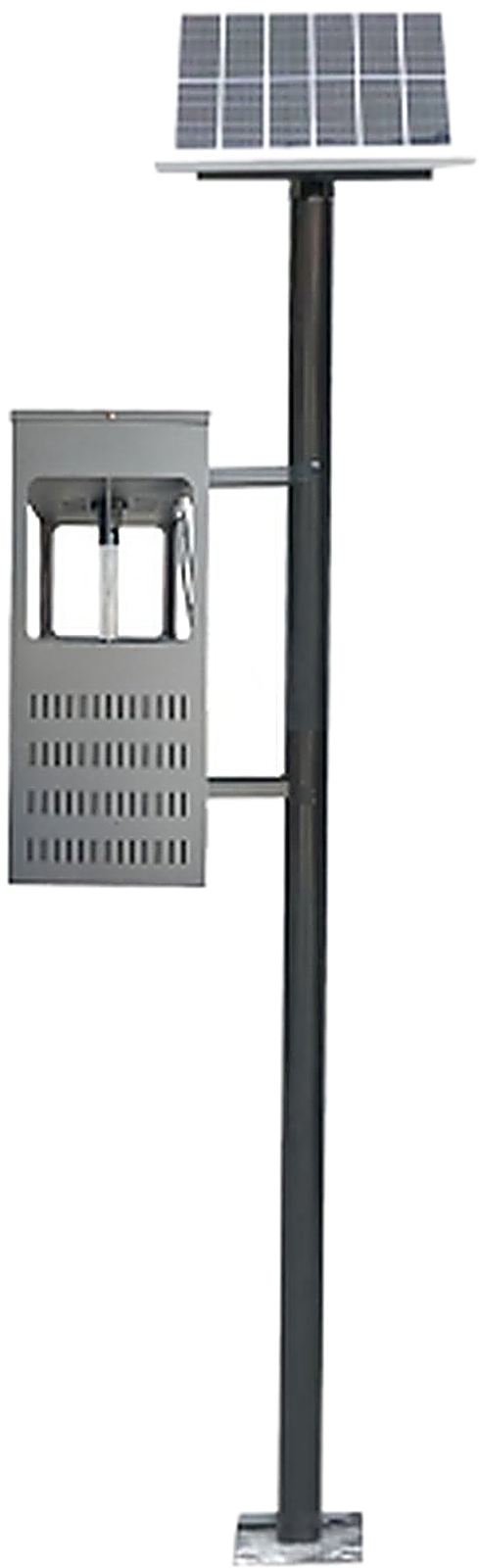
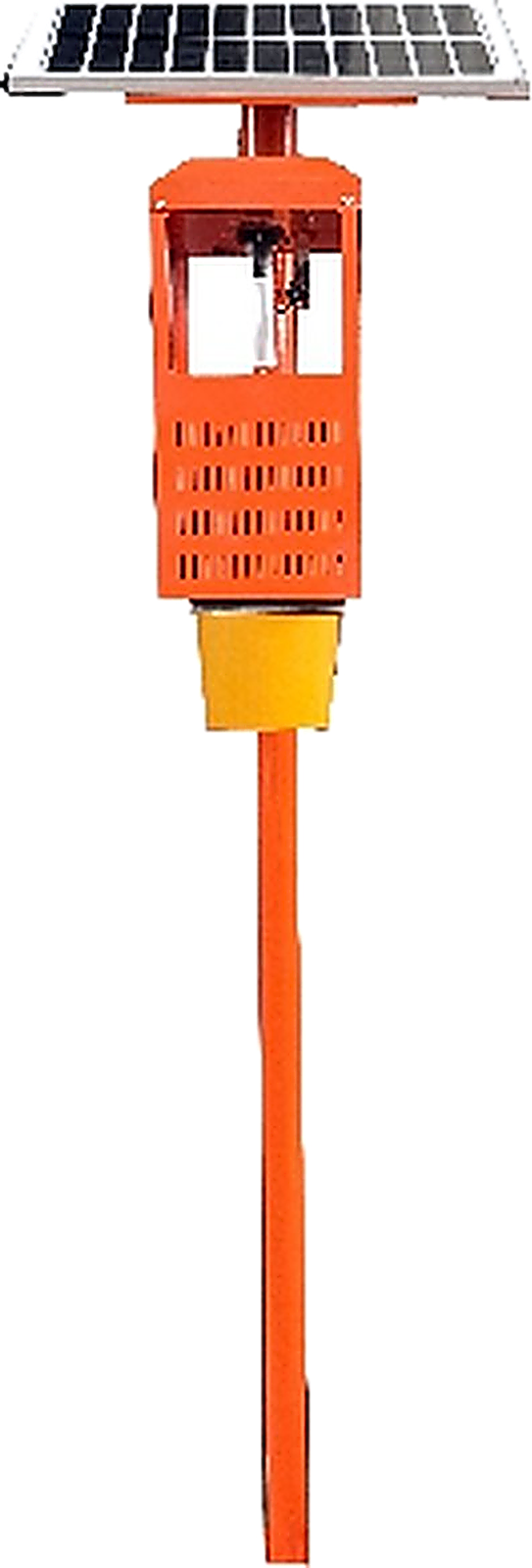
Use this guide alongside the references below to build a complete, defensible programme.
For deeper technical and regulatory context, see the FAO Integrated Pest Management and the EPA safe pest control.
Is this a verified Tunisia field trial? No. It is an illustrative planning scenario for procurement and deployment design. Run your own pilot and record local results before making claims.
Which crops fit the scenario best? Olives, citrus and date palms. The same approach can be adapted to any local crop with night-flying pests and sunny field edges.
Can a solar bug zapper replace insecticide treatments? It reduces adult pressure and supplies a monitoring signal, but most programs still need sanitation and targeted treatments when thresholds are exceeded.
How does heat affect battery life in Tunisia? High ambient temperature shortens battery life. Choose a chemistry rated for hot climates, keep the controller shaded and replace packs according to the supplier schedule.
What documentation should a buyer request? A specification sheet, spare-parts list, warranty terms, test report and a sample-unit evaluation record before releasing a bulk order.