
East Asia’s most advanced farming systems sit in South Korea and Japan, where labor shortages, aging rural populations, and premium export standards force growers to automate every possible task. Across rice paddies, apple and pear orchards, vineyards, and shaded tea fields, a solar insect killer has become a quiet workhorse of modern agricultural pest control. This case study examines how two of the world’s most technology-driven orchard and paddy regions deploy light-trapping at scale, and what importers and distributors can learn from their playbook.
South Korea and Japan share structural pressures that make device-based farm pest management attractive:
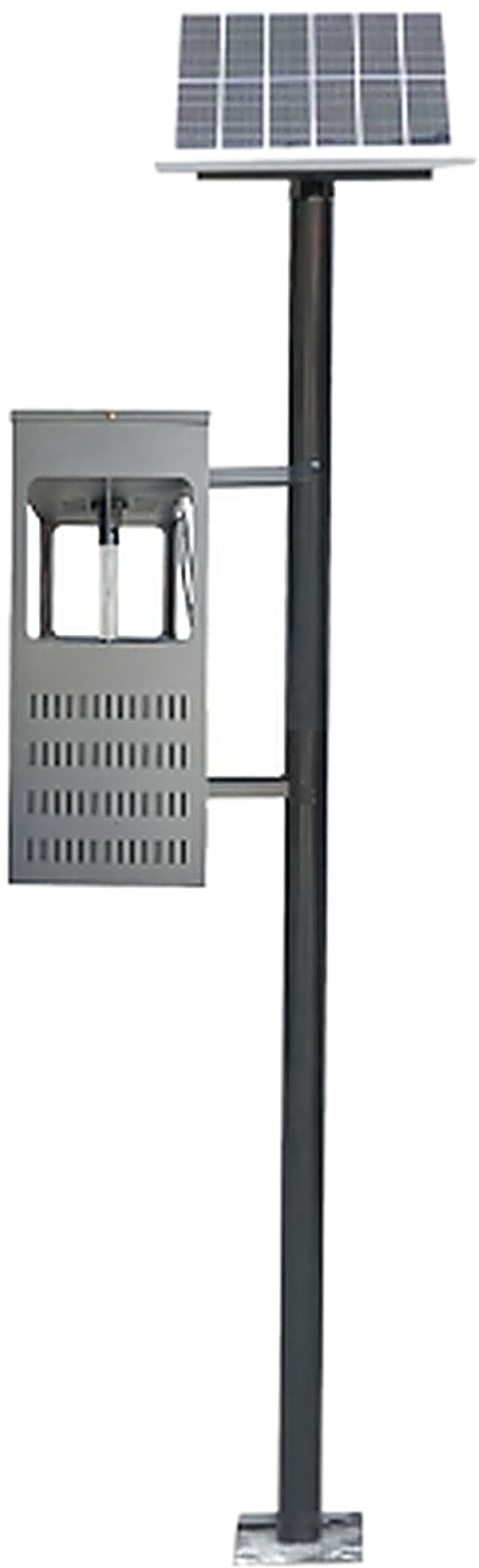
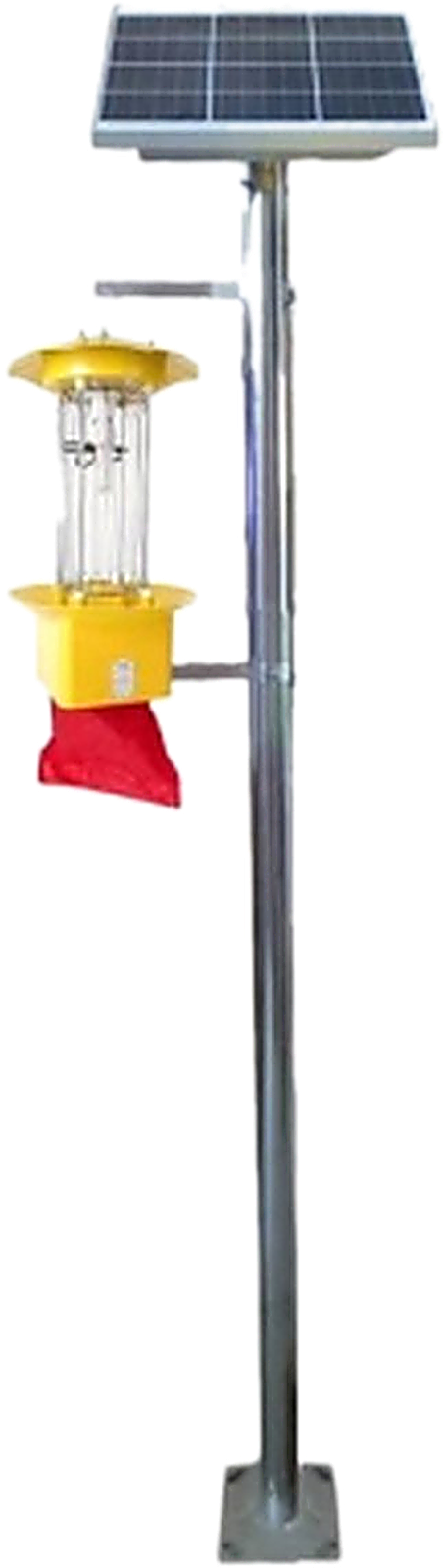
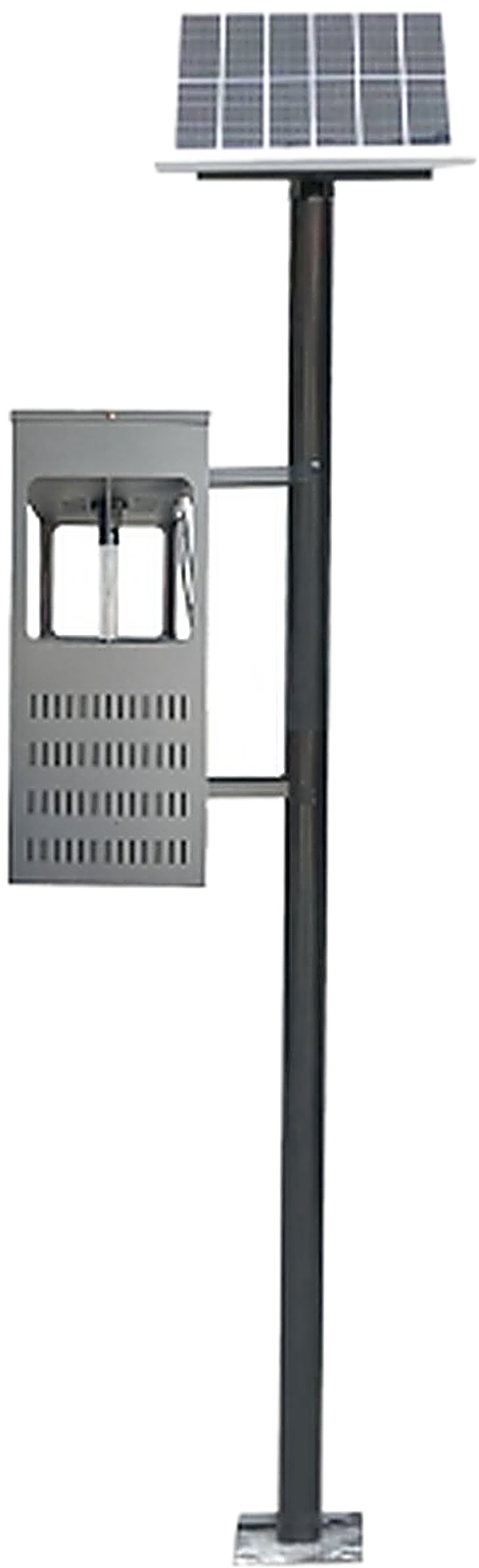
A solar bug zapper that runs autonomously from dusk to dawn fits these conditions perfectly — no grid connection, no recurring chemical purchase, no operator on site.
In the temperate zones of Gyeonggi, Chungcheong, and the southern Baekje region, growers battle tortricid moths, leafrollers, and oriental fruit moth. Many cooperative orchards now ring their blocks with pole-mounted solar insect killer units spaced to overlap catch radii.
Korean cooperatives favor a “perimeter-plus-grid” layout: a denser line of units along field edges where moths enter from wild hosts, and a lighter interior grid. Because plots are small, units are tall-mast and visually unobtrusive, doubling as轻微 windbreak markers.
Growers report fewer mating-disruption failures during rainy windows when aerosol pheromone dispensers underperform, and steadier fruit finish quality at harvest. The autonomous units also feed a cultural shift: younger managers use trap counts to time the single targeted spray they still apply, cutting active ingredient use versus calendar-based programs.
Japan’s rice belt and shaded tea plantations present different pest complexes — rice stem borers, leafhoppers, and tea looper moths. Here, agricultural pest control leans heavily on integrated, low-disturbance methods.
Along levy banks between paddies, solar traps intercept migrating moths before they lay in the canopy. Because the devices need no wiring across flooded fields, they suit the fragmented paddy mosaic better than mains-powered alternatives.
In terraced tea gardens, units are mounted at canopy height to intercept looper and tea tortrix flights. Growers value the residue-free harvest that supports premium “single-origin” tea branding — a direct market advantage, not just a cost saving.
Some Korean vineyards pair the solar bug zapper with IoT count sensors, logging nightly captures to a dashboard. Over a season, the data reveals flight peaks that align spray decisions with actual pressure rather than calendar dates, a hallmark of precision farm pest management.

Use this guide alongside the references below to build a complete, defensible program.
For deeper technical and regulatory context, see the FAO Integrated Pest Management and the EPA safe pest control.
Q1: Do solar insect killers work in Japan’s humid summer? Yes. IP66-rated units handle the tsuyu rainy season; the key is sealed electronics and a charged battery that survives multi-day cloudy periods.
Q2: Are these devices allowed under Korean organic standards? They qualify as physical trapping under most certification schemes, but confirm with your specific certifier since powered light traps are treated differently than passive traps.
Q3: How many units does a small Korean orchard need? For a 1–2 hectare block, a perimeter line plus a light interior grid of 4–8 units is typical; spacing follows the model’s catch-radius rating.
Q4: Can trap data replace spraying entirely? Rarely. The solar bug zapper suppresses the bulk of adults, but a threshold-based targeted spray remains for outbreak years — the win is fewer, smarter applications.
South Korea and Japan show that a solar insect killer is not a substitute for agronomy but a force multiplier: it cuts labor, supports residue-free premium crops, and generates data that sharpens every other IPM decision. For distributors, the region proves that automation, aesthetics, and compliance — not just price — drive adoption of modern agricultural pest control.