
The Philippines sits squarely inside the humid tropics, where warm temperatures and two distinct monsoon seasons keep pest populations active almost all year. For B2B buyers serving Southeast Asian agriculture, this makes the country one of the clearest proving grounds for any solar insect killer built for tropical, high-humidity deployment. Rice, coconut, and banana together cover millions of hectares and feed both domestic tables and export markets, yet each crop faces a different set of flying insect pests that conventional spraying struggles to control economically.

Rising input costs and stricter residue limits on exported bananas and rice have pushed Philippine growers toward agricultural pest control methods that reduce chemical reliance. A solar bug zapper that runs on sunlight alone fits this need perfectly: no grid power, no fuel, and no recurring pesticide purchase.
Rice is the staple crop of the Philippines, grown in lowland paddies from Luzon to Mindanao. The biggest yield threats are yellow stem borers (*Scirpophaga incertulas*), striped stem borers, and brown planthoppers (*Nilaparvata lugens*). Adult moths and planthoppers are strongly attracted to light at night, which is exactly the window when a well-timed solar insect killer does its work. By intercepting adults before they lay eggs, farms reduce the larval boring that causes “whiteheads” and empty grain panicles.
Coconut plantations across Quezon, Bicol, and the Visayas lose young palms to the coconut rhinoceros beetle (*Oryctes rhinoceros*). Adults fly at dusk and are drawn to fermenting odors and light. A farm pest management program that pairs sanitation with light traps has been shown to cut new infestation rates substantially, protecting the canopy that palms need to recover after typhoon damage.
Banana farms in Davao and Mindanao battle the banana weevil borer (*Cosmopolites sordidus*) and a range of leaf-feeding moths. While nematodes live in soil and are not controlled by light, the adult weevils and leaf rollers that spread damage are nocturnal and light-responsive. Integrating a solar bug zapper into plantation IPM lowers adult weevil movement between mats and reduces the foliar damage that slows bunch filling.
In this case study, a cluster of cooperatives across three provinces deployed wind-suction solar insect killer units on a density of roughly one unit per 0.3–0.5 hectare for rice, and one unit per 1–2 hectares for coconut and banana, where canopies are taller and pest flight paths are more diffuse. Units were pole-mounted 1.5–2 meters above the crop canopy, with photovoltaic panels tilted to capture the strong tropical sun.
Because the devices need no wiring, cooperatives avoided the cost of extending grid lines into paddies and plantations. Maintenance was limited to emptying collection boxes weekly during peak flight season and wiping panels after heavy dust or ash from occasional volcanic activity.
Across a single wet-to-dry season cycle, participating farms reported:
While a solar insect killer is never a standalone silver bullet, the cooperatives recorded enough reduction in adult pest pressure to trim spray passes by roughly a third, a meaningful saving on both chemicals and labor.
A key reason Philippine cooperatives adopted the technology is the simple payback math. With no electricity bill and a multi-season device lifespan, the upfront cost of a solar bug zapper is typically recovered within one to two cropping cycles when spray reduction and yield protection are combined. For banana exporters facing residue audits, the avoided rejections alone can justify the investment.
For B2B importers, the Philippine model demonstrates a repeatable deployment playbook: cooperative bulk purchase, shared maintenance, and visible trap counts that build farmer confidence in agricultural pest control without chemicals.
Three takeaways stand out for buyers evaluating this market:
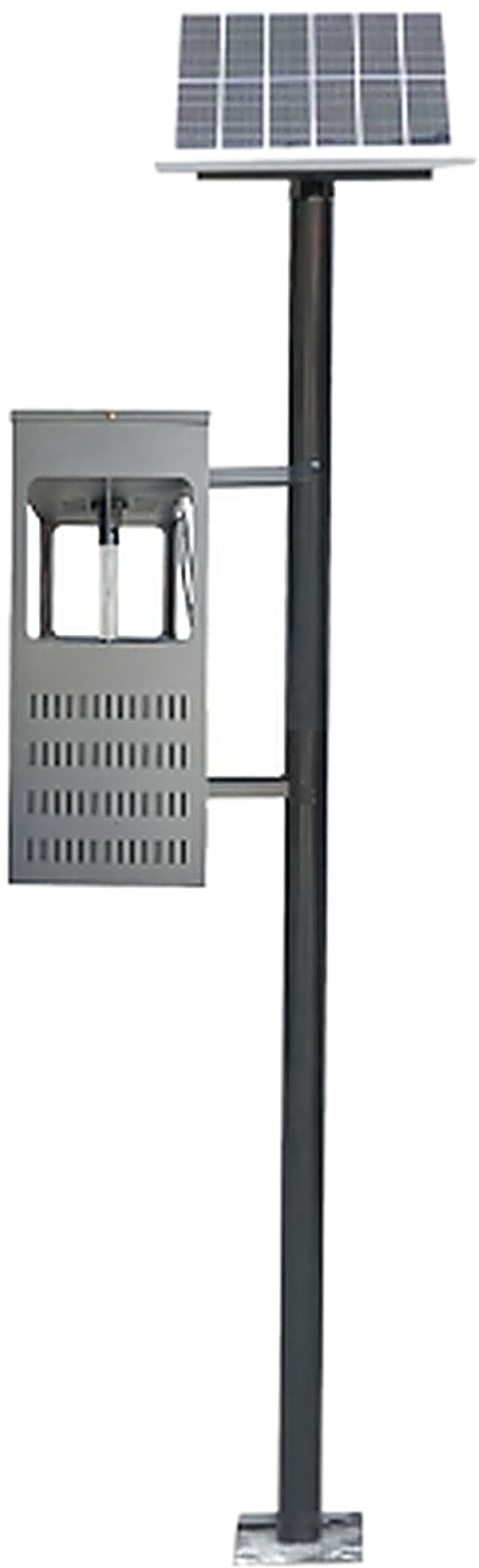
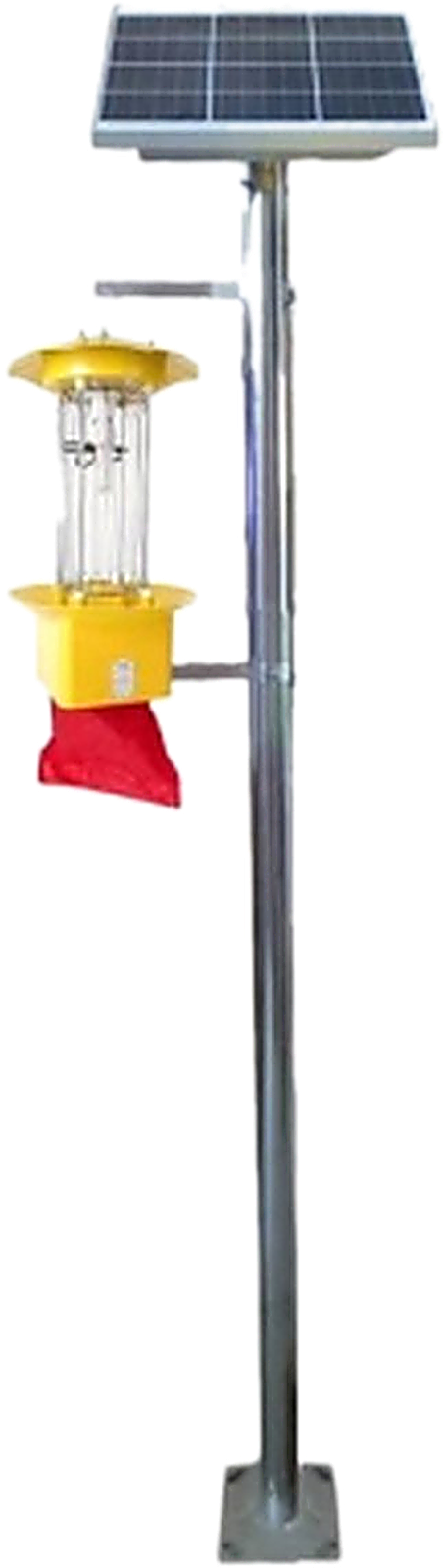
Use this solar insect killer guide alongside the references below to build a complete, defensible program.
For deeper technical and regulatory context, see the FAO Integrated Pest Management and the EPA safe pest control.
Do solar insect killers work during the rainy season in the Philippines? Yes. Panels still charge on cloudy days, and sealed, weatherproof units keep operating through monsoon storms. Battery capacity should be sized for multi-day low-sun periods.
Can one solar bug zapper protect a whole rice paddy? Not alone. Effective farm pest management uses multiple units spaced by canopy height and pest flight range, typically one per 0.3–0.5 hectare in dense lowland rice.
Are solar insect killers safe near coconut and banana workers? Yes. Wind-suction models physically capture insects without broad chemical spray, reducing worker exposure to insecticides during daily plantation activities.
How do I import solar insect killers into the Philippines? Work with a supplier that provides ICC/CE documentation and local-language manuals, and partner with agricultural cooperatives or municipal agriculture offices for distribution.