
The Pacific Northwest—Washington and Oregon—produces a remarkable share of the United States’ tree fruit and specialty crops: apples, sweet cherries, pears, hops, and a fast-growing blueberry sector. These high-value orchards operate inside a tight regulatory and market environment where residue limits, invasive pests, and rising labor costs all push growers toward smarter tools. Across the region, the solar insect killer is moving from an experimental gadget to a core piece of agricultural pest control infrastructure.
PNW growers enjoy long, dry summer days that are ideal for fruit quality, but those same conditions create a distinct pest-pressure profile. Codling moth in apples and pears, cherry fruit fly and spotted wing drosophila in cherries and berries, and a complex of hop pests all peak during the warm, irrigated season.
Washington apples and Oregon cherries are export crops. Buyers in Asia and Europe enforce strict maximum residue limits, and a single failed shipment can erase a season’s margin. A solar bug zapper that captures adults at the light source adds no chemistry to the fruit, making it attractive as a residue-free layer in a broader farm pest management plan.
Hand-thinning, picking, and pruning already compete for a shrinking workforce. Every scheduled spray pass adds scouting, mixing, and re-entry time. Light-and-suction traps run automatically from dusk to dawn on stored solar energy, cutting the number of interventions a crew must perform.
The codling moth (*Cydia pomonella*) remains the most damaging apple and pear pest in the region. Mating disruption with pheromones is common, but many Wenatchee and Yakima growers now add a solar insect killer along orchard edges to pull in mated males and reduce the next generation before it enters the canopy. Combined with sanitation (removing dropped fruit), trap grids lower egg-laying pressure.
The western cherry fruit fly (*Rhagoletis indifferens*) and spotted wing drosophila both threaten cherry and berry quality. Because these flies are strong nocturnal fliers, a solar insect killer placed at the upwind row catches adults during peak flight hours. Growers report cleaner fruit at packout and a simpler residue story for premium export channels.
Pacific Northwest hops supply much of the craft-brewing world. Hop aphid, two-spotted spider mite, and leafhoppers can crater cone quality. A solar insect killer mounted on trellis posts near the canopy catches night-flying adults while avoiding the spray drift that can damage beneficial predators. This supports a more stable agricultural pest control balance.
A 60-hectare apple and cherry operation near Wenatchee adopted the following layout:
Within two seasons the orchard recorded fewer codling-moth stings at grading and a measurable drop in seasonal spray volume, while keeping export residue paperwork clean.
A solar insect killer is not a standalone cure. The PNW growers who see the best returns combine it with:
This layered farm pest management approach keeps chemical use low and keeps the export door open.
PNW winters are wet and summers can exceed 38°C in interior valleys. Units rated from -20°C to 60°C with IP65 sealed housings handle freeze-thaw cycles and dust from harvest traffic. Estates that wipe panels monthly and empty collection chambers every 7–10 days report the longest fan and lamp life.
In the Pacific Northwest the value of one clean load of cherries is high enough that a single missed flight peak pays for a season of trapping hardware. That is the whole economic argument, and it survives a bad year.

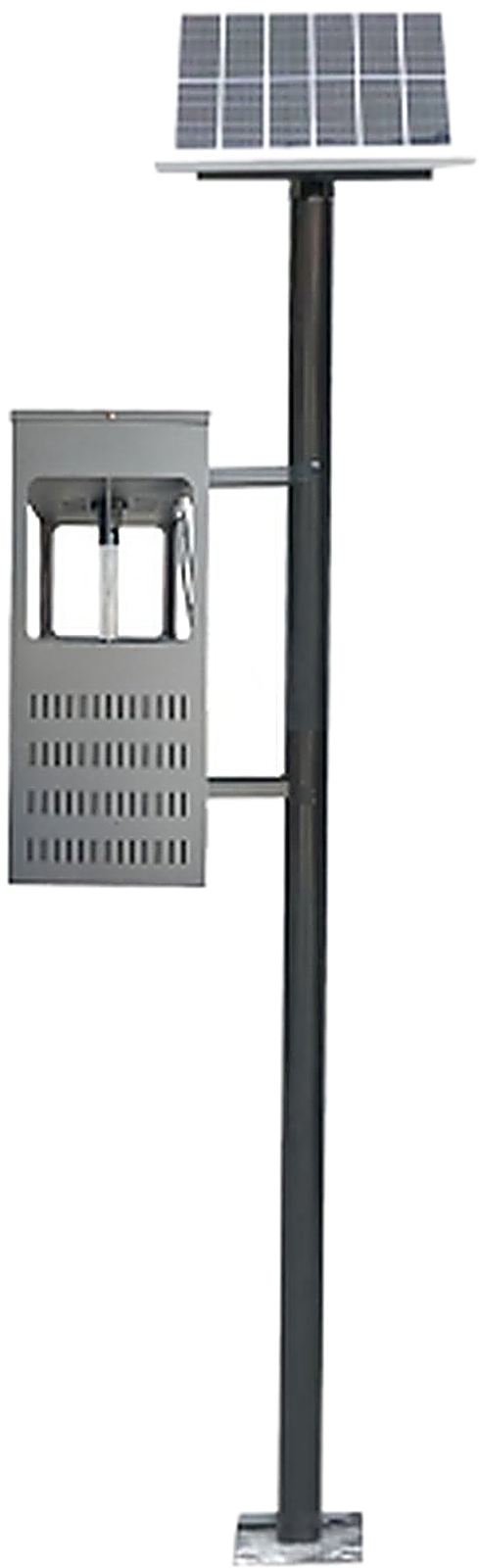
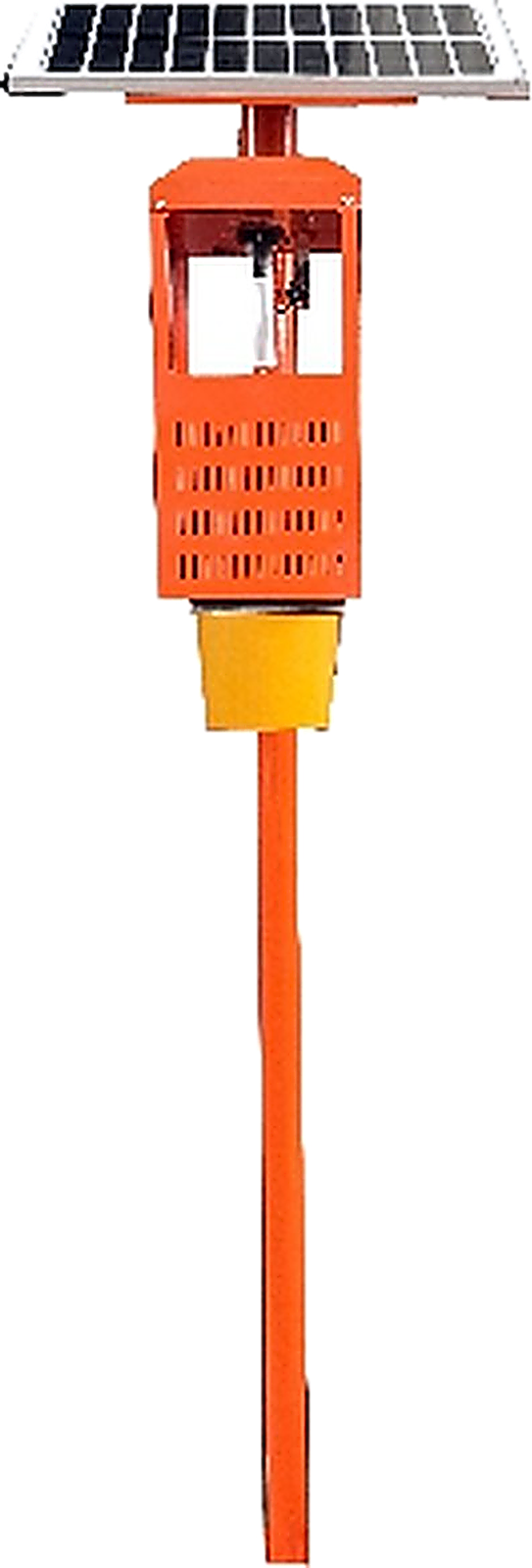
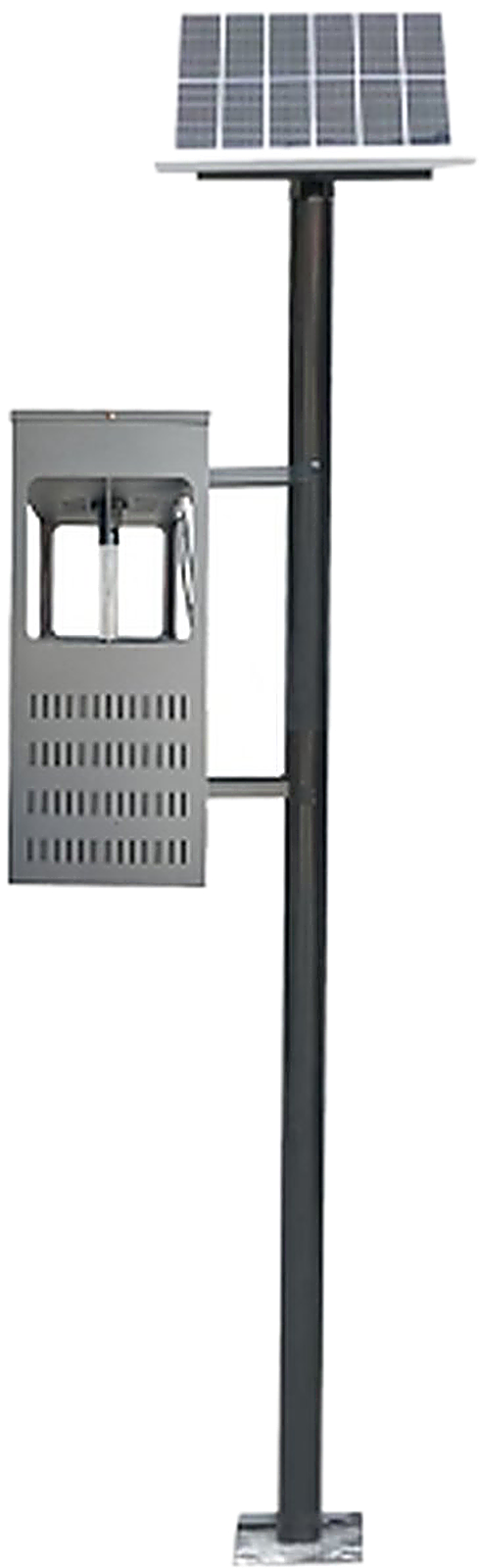
Use this guide alongside the references below to build a complete, defensible program.
For deeper technical and regulatory context, see the FAO Integrated Pest Management and the EPA safe pest control.
Yes. Because they add no chemical input, light-and-suction traps are recorded as a physical control method in the farm’s IPM log and are compatible with organic standards.
A practical rule is one solar insect killer per 0.5–1.0 hectare, starting on upwind edges, then infilling along access roads where adult pressure concentrates.
They reduce adult populations when run nightly, especially as a complement to pheromone disruption. They are most effective as part of a wider agricultural pest control program rather than as a standalone treatment.
Quality units rated for -20°C to 60°C and IP65 housing perform reliably through freeze-thaw cycles. Monthly panel cleaning is the single most important maintenance step.
For Pacific Northwest growers, the solar insect killer delivers residue-free farm pest management across apples, cherries, pears, and hops. It fits the region’s export-driven, labor-tight reality, supports strict residue compliance, and slots cleanly into an IPM plan. As buyers tighten limits, light-based suppression is becoming core infrastructure rather than an experiment.