
Central Europe is not one climate or one cropping system. A narrow continent of oceanic west, continental east, and alpine south produces short intense flights, early frosts, and long dry spells within a few hundred kilometres. This case study pulls together field observations from Poland, Czechia, Slovakia, and Hungary to show what actually changes when a solar insect killer is deployed across Central Europe. The goal is not a universal recipe, but a practical set of lessons for buyers planning agricultural pest control in the region.
Winters across Central Europe are cold enough to suppress many insects but not all of them. Spring warms quickly, and a warm April can push pest emergence two weeks ahead of the long-term average. Summer brings thunderstorms and humid nights in the lowlands, while exposed plateaus stay dry and windy.
That variability matters for farm pest management. A fixed calendar spray rarely matches the flight window, and a trap left in storage until June misses the first generation entirely. Solar-powered traps solve part of the problem because they can be deployed early, left in place, and checked on a simple weekly routine.
Oilseed rape, wheat, maize, and potatoes dominate the large farms of the Vistula corridor. Pollen beetles and flea beetles arrive with the first warm days, while crane flies and click beetles affect young seedlings in wet springs. Growers who placed units along field margins reported the clearest catch signal when rapeseed and wheat blocks were monitored separately.
Smaller field sizes and mixed livestock operations create a different pattern. Nearby barn lights and farmyards compete with traps, so placement away from buildings gave better results than increasing lamp power. Aphids, thrips, and autumn moth flights were the main targets in these mixed systems.
Hot, dry summers favour corn rootworm beetles, European corn borer moths, and orchard pests. Irrigated plots beside dry grassland produced strong nightly catches at the boundary between the two habitats. Here the solar insect killer worked best as part of a regional approach rather than an isolated field device.
The most successful programs started in early spring, before the first major flight, and continued until the first hard frost. Traps were moved with the crop calendar: oilseed rape edges in April, maize margins in June, and orchards again in late summer. This simple rotation kept the equipment in the right place without adding labour.
Poles were set above the canopy and far enough from tall trees to avoid afternoon shade. In Central Europe, low winter sun makes permanent shade a bigger problem than most buyers expect. A site that looks open in July can be shadowed for half the day in October, cutting charge current and shortening nightly runtime.
Weekly catch counts rose sharply after warm nights and fell after heavy rain, which is normal for light traps. The useful signal was the trend across neighbouring fields rather than a single peak. When two locations on the same farm reported a simultaneous rise, growers treated it as regional pressure and checked thresholds in every block, not just the trap site.
A solar bug zapper with a clean collection chamber made counting straightforward. Sticky or open-grid designs were harder to interpret in windy lowland sites, where debris and large non-target insects cluttered the sample.
First, early deployment pays. Second, boundary placement beats a central unit in almost every field shape. Third, catch data are a scouting aid, not a stand-alone threshold. Fourth, equipment must be rated for frost, damp storage, and road salt if it sits near winter roads. Fifth, local language support and spare parts matter more than a slightly lower purchase price when the season is short and every night of operation counts.
These points are consistent with broader agricultural pest control experience: a trap that is easy to service and easy to interpret gets used, while a complex device ends up in the shed.
Buyers should request clear specifications for battery chemistry, charging current, ingress protection, and operating temperature. Ask whether the lamp and fan can be replaced in the field and whether the supplier stocks spare parts in the EU. For farms selling into strict export chains, low-residue programs built around light trapping also make documentation easier.
A supplier that understands Central Europe will ask about crop rotation, winter storage, and field shading before quoting a quantity. If a quotation ignores those questions, treat it as a generic price list rather than a field plan.
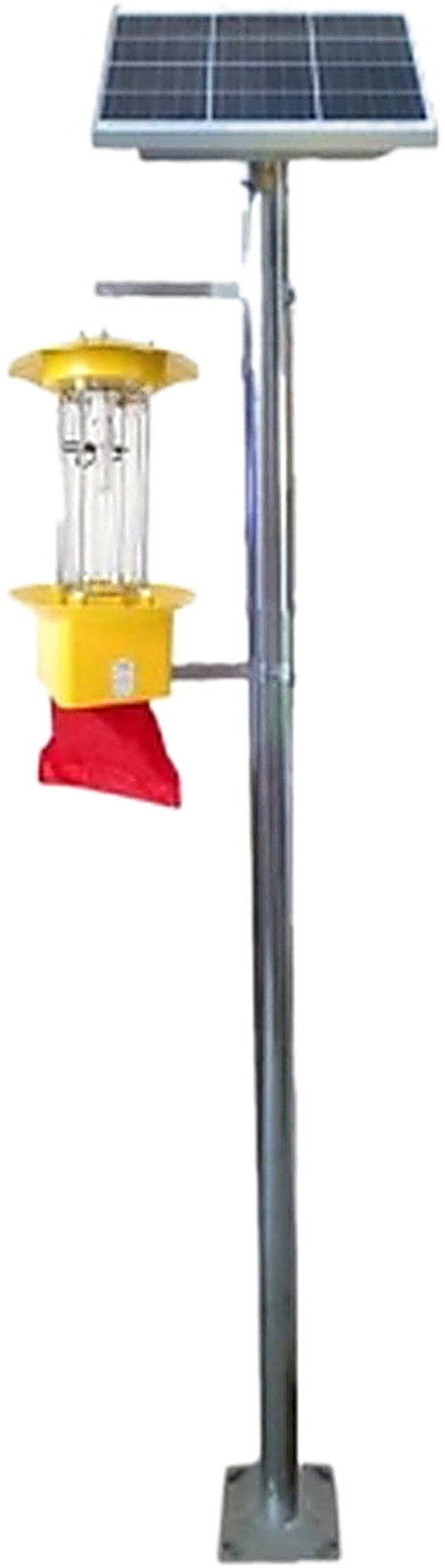

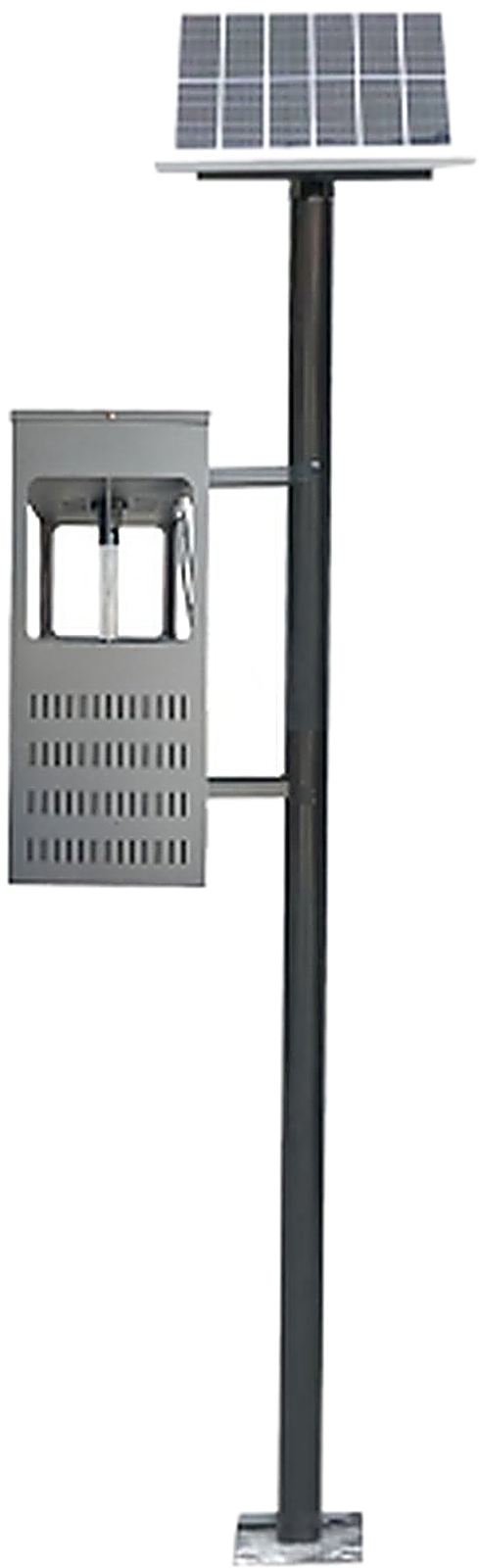
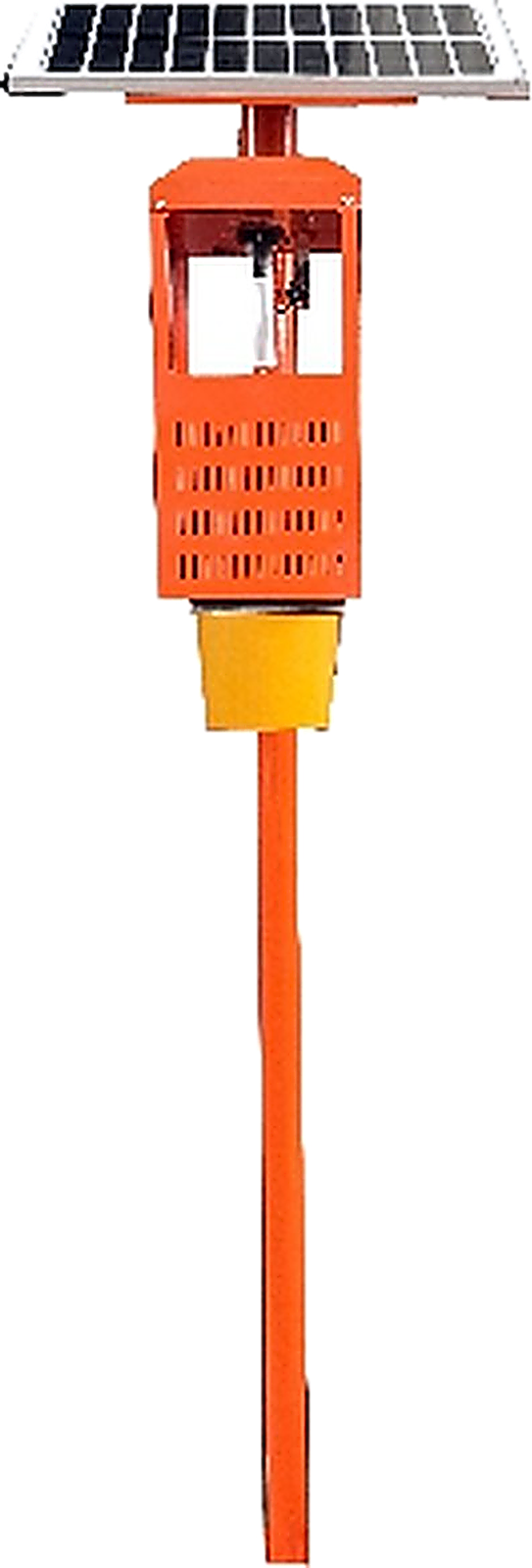
Use this guide alongside the references below to build a complete, defensible programme.
For deeper technical and regulatory context, see the FAO Integrated Pest Management and the EPA safe pest control.
Oilseed rape, maize, wheat, potatoes, and mixed orchards show the clearest benefit. These crops have well-defined adult flights that can be intercepted with light, and they are often subject to residue limits that favour nonchemical tools.
Most units can, provided the battery is stored correctly and the pole is rated for wind and ice. In practice, many farms bring the head unit indoors for winter and leave the mounting hardware in place.
The flying season is shorter but more concentrated, and frost dictates the end of deployment. Mediterranean programs often run longer with different pest species, so trap timing and crop focus must be adapted rather than copied.
Usually yes. Field size, hedgerows, and buildings all block light, so several smaller units placed on key boundaries give more reliable coverage than one powerful unit in the middle.