
Bangladesh grows rice three seasons a year across a floodplain fed by the Ganges, Brahmaputra and Meghna rivers. That humidity and warmth also feed armyworms, gall midges, planthoppers and fruit flies that threaten staple calories. A solar insect killer gives smallholders a chemical-free layer of agricultural pest control that runs through the night on stored sunlight—no grid, no fuel, no recurring spray bills.
Pest pressure in Bangladesh is not constant; it moves with the seasons. The boro rice crop faces planthoppers in the dry spring, the aman crop battles gall midge and stem borer during the monsoon, and vegetables fight fruit borers year-round. A solar insect killer is timed to the nightly flight peaks of each pest, so it stays useful across all three cropping windows without changing chemicals.
During aman and boro seasons, light traps in Bangladesh fields pull in massive numbers of planthoppers and leafhoppers that transmit yellow dwarf and tungro viruses. Because a solar insect killer works exactly when these moths and hoppers fly—dusk to midnight—it intercepts them before they settle and breed. Rice cooperatives report fewer virus hotspots along the field edges where the lamps sit.
Jute is Bangladesh’s golden fibre, and its leaves are favourite targets for ak moth and semilooper caterpillars. A well-placed solar bug zapper on the bund between plots draws adult moths away from young plants. Vegetable belts around Dhaka and Chattogram use the same logic for fruit borers and diamondback moths on cabbage and cauliflower.
In Sylhet and the Chittagong Hill Tracts, tea estates and mango–litchi orchards battle fruit flies and tea mosquito bugs. Farm pest management here means protecting pollinators by day and trapping adult pests by night. Lamps mounted at canopy height cut the need for broad spraying that would otherwise hit bees.
Much of Bangladesh sits below five metres of elevation, and storms knock out the grid for days. A solar insect killer with a sealed battery and IP66 housing keeps working through the wet season, and its pole can be raised on plinths above flood lines. That resilience is why charities and government blocks pilot them in climate-vulnerable upazilas.
Buyers in the EU and Gulf now demand low-residue produce. Replacing a share of chemical sprays with a solar bug zapper helps Bangladesh growers meet MRL limits and fetch better prices for rice, mango and frozen vegetables. Lower residue also means safer handling for the women who do most of the manual weeding.
Because the running cost after purchase is near zero, a solar insect killer suits the cooperative and shared-asset model common in Bangladesh villages. One unit serves a cluster of plots, and maintenance is pooled—making modern farm pest management reachable for farms under half a hectare.
A solar insect killer is best against strong-flying, night-active adults: moths, planthoppers, leafhoppers, fruit flies and some beetles. It is not a cure for soil pests or mites, so pair it with scouting. Knowing what the tray catches each morning tells a grower which pest is peaking.
A single unit covers roughly 0.2–0.4 ha of dense delta planting. With no fuel and no spray refill, most Bangladesh pilots recover the purchase price within one to two seasons through saved insecticide and higher graded yield. Cooperatives shorten payback further by sharing a handful of units across many plots.

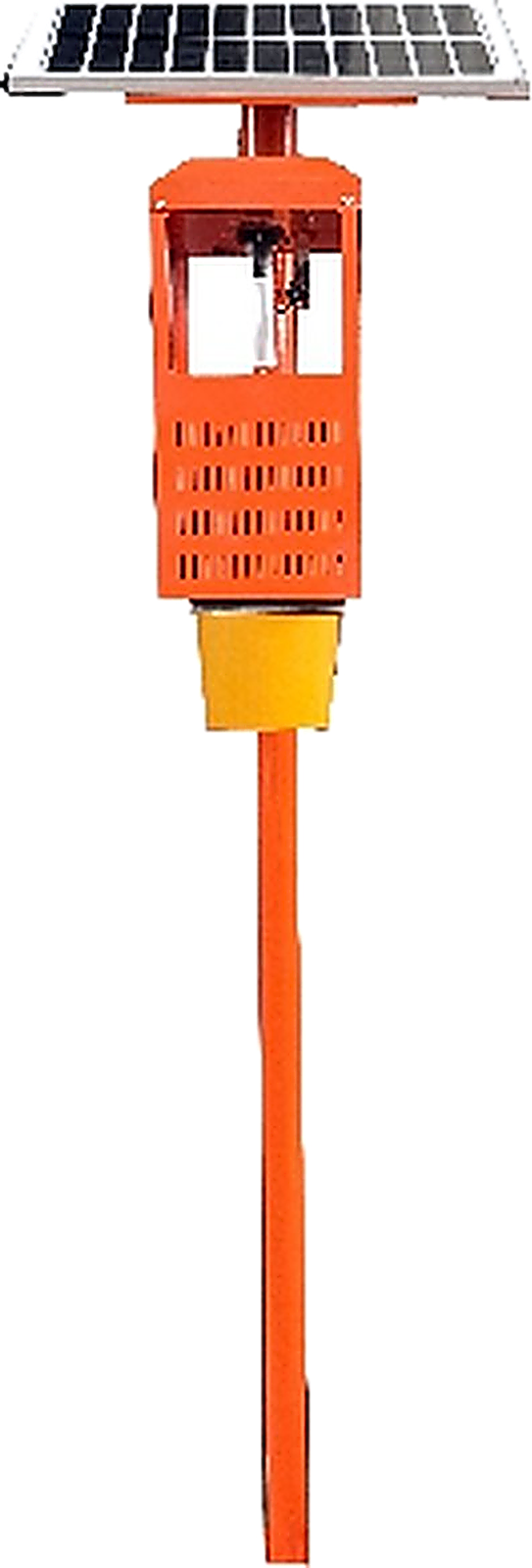
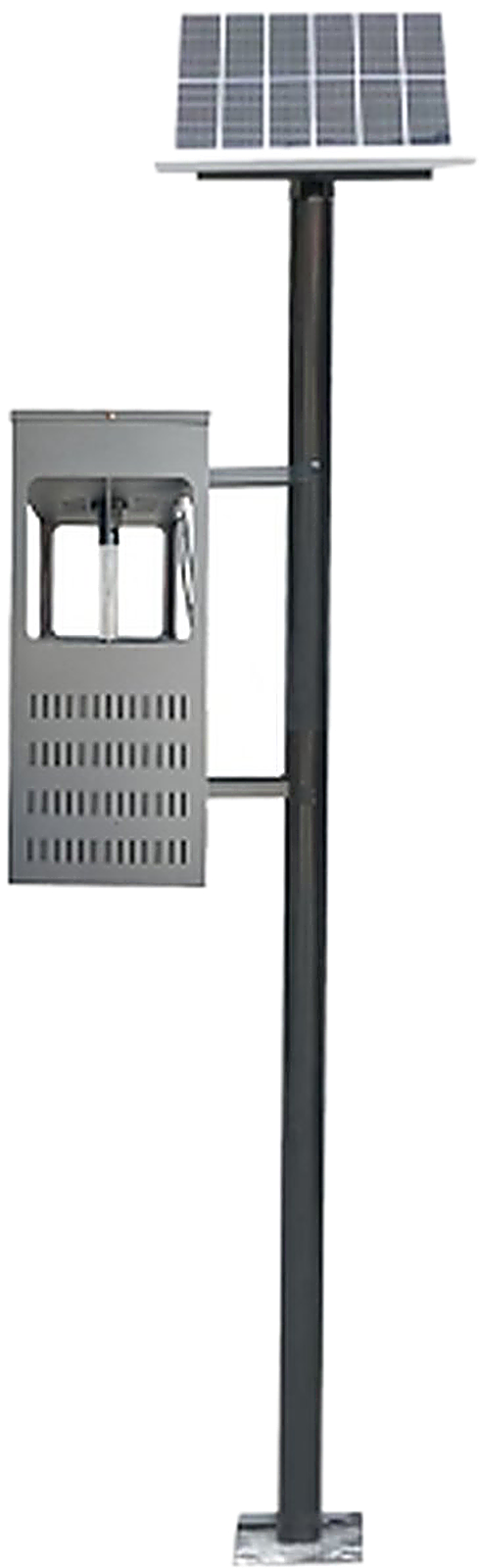

Use this guide alongside the references below to build a complete, defensible programme.
For deeper technical and regulatory context, see the FAO Integrated Pest Management and the EPA safe pest control.
Do solar insect killers work in cloudy Bangladesh winters? Yes. Modern units store two to three rainy days of charge, so the lamp still runs through overcast spells.
Will they hurt fish in rice–fish culture? No. The trap catches flying adults above the water; it does not release anything into the paddy.
Are they affordable for smallholders? Many NGOs and cooperatives pool purchase and share maintenance, and the lack of recurring spray cost pays back within a season or two.
Can I use them alongside IPM? Absolutely. A solar insect killer is one tool in an integrated plan that may still use scouting, resistant varieties and targeted sprays only when thresholds are crossed.
A solar insect killer fits Bangladesh better than many imported fixes: it runs off-grid, survives floods, cuts residue and protects pollinators. For rice, jute, tea and fruit growers alike, it is a practical, climate-smart step in modern farm pest management.