
The Baltic States — Estonia, Latvia, and Lithuania — farm under short, cool growing seasons and intense EU environmental rules. Berry and cereal growers there face a narrow window to protect crops before export deadlines. This case study shows how a solar insect killer fits that tight calendar and helps farms cut spray reliance without sacrificing yield.
The Baltic States share a maritime-cool climate, long summer daylight, and a strong cooperative farming tradition. Strawberries, raspberries, currants, and cereals dominate, and many farms supply EU fresh and processed markets where residue limits are strict. Membership in the single EU market also means a common set of pesticide rules that push growers toward mechanical, residue-free tools wherever they work.
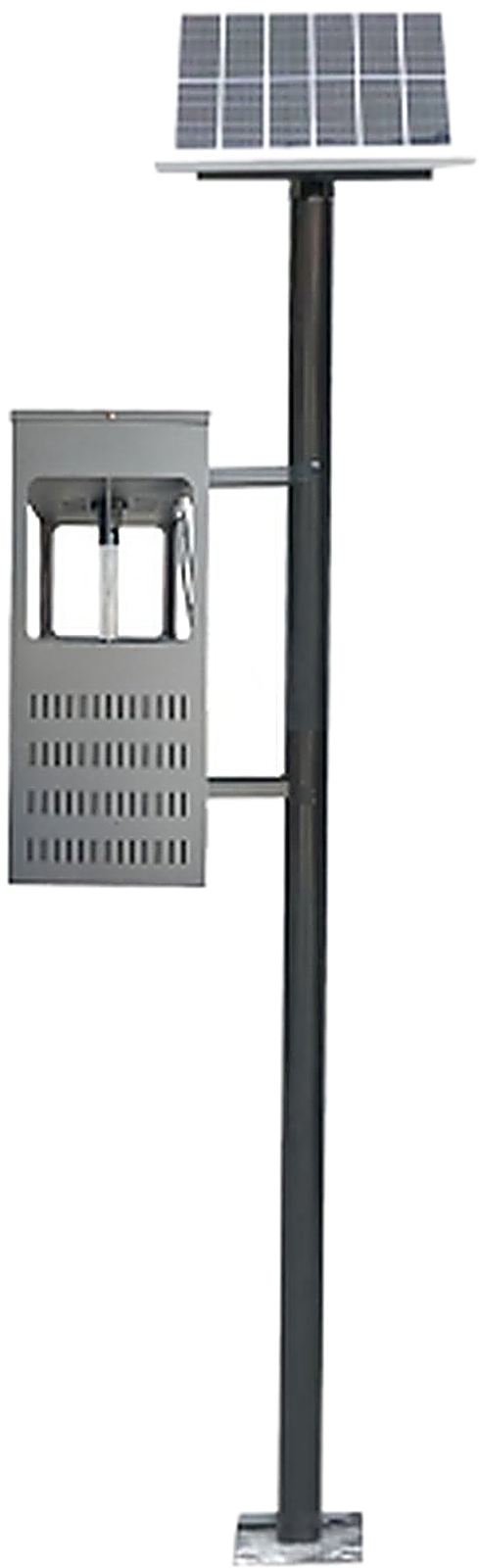
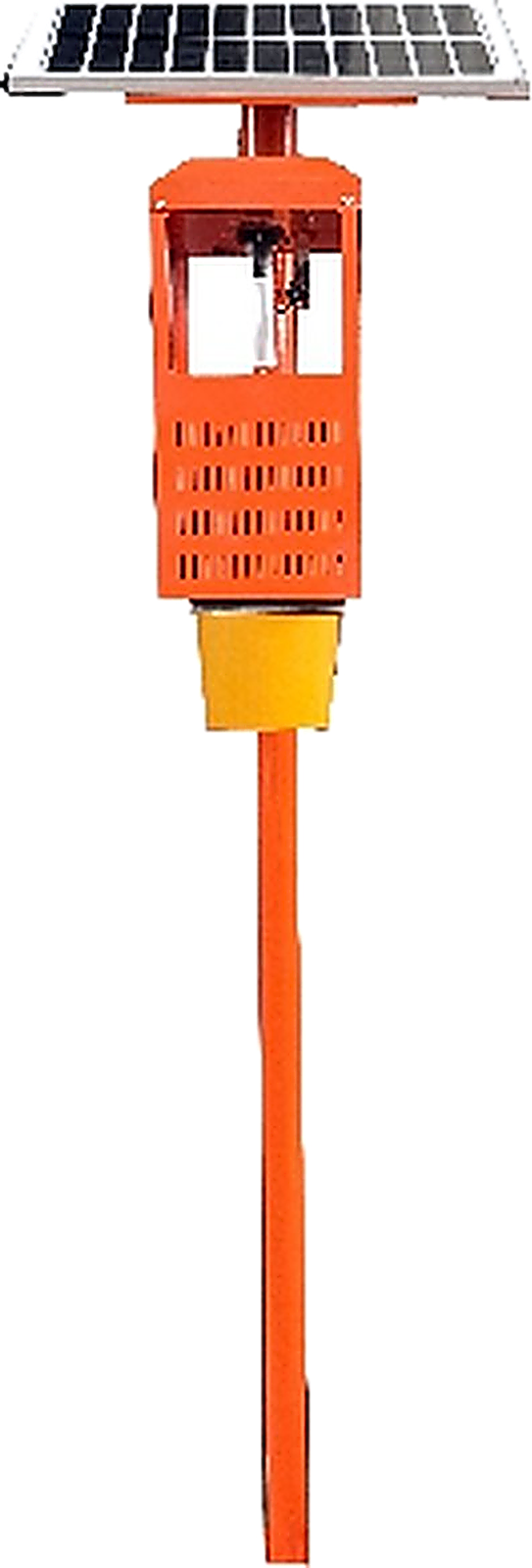
Short seasons mean every spray counts against the clock. A solar bug zapper runs through the long twilight hours of northern summers, catching adults when human crews have gone home, with no grid power needed in remote fields.
An Estonian family farm near Tartu ran traps across two hectares of raspberries and blackcurrants.
The main pressures were raspberry beetle, currant moth, and various noctuid moths drawn to the ripening fruit. Adult flight peaked in late June and July, exactly when the traps ran hardest.
Weekly tray counts showed a steady drop in adult catch after week two. At harvest, fruit damage fell compared with the untreated check block, and the farm reduced its planned insecticide passes by roughly a third.
A Latvian cooperative managing winter rye and barley tested traps on field margins.
Cereal leaf beetles and rye weevils were the focus, alongside aphid vectors that spread virus in cool, damp springs. Margins matter because cereals are lower-value per hectare than berries.
Trap placement on field edges pulled a measurable share of flying adults before they reached the crop center. The cooperative logged lower scout counts and deferred one spraying round, improving margin on a thin crop.
A Lithuanian grower combined strawberries with cabbage and found the trap useful across both.
Cabbage moth and diamondback moth threaten brassicas, while strawberry pests mirrored the Estonian pattern. One trap type served both blocks, simplifying the farm pest management plan.
The grower reported cleaner fruit and fewer caterpillar holes at market grade, supporting a premium price for directly sold soft fruit while cutting caterpillar sprays on cabbage.
Across all three sites, the common outcome was fewer planned sprays, not zero sprays. The solar insect killer acted as a mechanical first line, stretching the interval between needed treatments and keeping residue comfortably inside EU limits.
Cool nights and long daylight concentrated flight into predictable windows. Traps running through those windows caught the adults that would otherwise have laid the next generation inside the crop.
The Baltic States teach a few lessons any cool-region grower can use.
Traps do not replace spraying for soil or leaf-borne disease, and very cold snaps slow adult flight. The Baltic sites treated the solar insect killer as one tool in a broader IPM plan, not a stand-alone cure.

Use this guide alongside the references below to build a complete, defensible programme.
For deeper technical and regulatory context, see the FAO Integrated Pest Management and the EPA safe pest control.
Do solar insect killers work in such a short season? Yes. The short season concentrates pest flight into a few critical weeks, and traps running through those weeks still catch the adults that drive damage.
Which crops benefit most in the Baltic states? Soft fruit — raspberries, currants, strawberries — and margin-sensitive cereals show the clearest wins, with cabbage and brassicas close behind.
How much spray can a Baltic farm realistically cut? Sites in this case study deferred roughly a third of planned passes, though results vary by pest pressure and trap density.
Do the long summer days help or hurt trapping? They help. Extended twilight keeps adults active later, giving traps more effective hours than in hotter, darker regions.
Is grid power needed for Baltic field traps? No. The units charge from sunlight during the long day and run on battery through the active night hours, with no grid connection required.
The Baltic States show that cool, regulation-heavy farms can adopt a solar insect killer with real, measurable spray savings. Match the trap to the short flight window, count your results, and let the long northern summer do the charging.