
Every home garden pest program gains from a solar insect killer garden plan that targets the adult flying stage and runs through peak season.
A solar insect killer garden plan works best when devices are spaced by habitat and maintenance is scheduled before peak season, not after pests arrive.
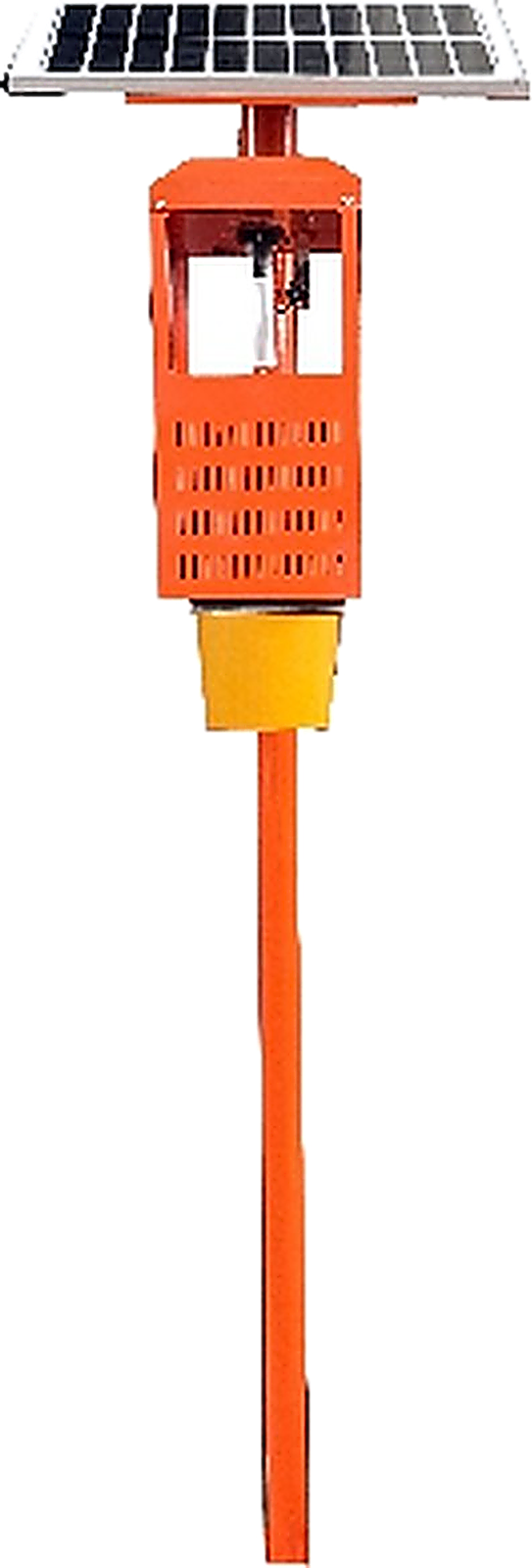
Backyard gardeners have always faced the same evening problem: the moment the sun goes down, the mosquitoes, moths and midges come out. For decades the default answer was a coil, a spray can or a battery lantern that died halfway through the night. A solar bug zapper changes that equation completely. It runs on sunlight, kills flying insects without chemicals, and needs almost no attention—making it one of the easiest upgrades a homeowner, property manager or garden retailer can recommend.
A vegetable patch, a patio and a small orchard are not a farm, but the pest pressure is real. Cabbage moths shred leaves, mosquitoes make the patio unusable, and fungus gnats weaken seedlings in a greenhouse corner. Traditional agricultural pest control on a commercial scale uses tractors, broadacre sprays and labor crews. None of that suits a 200 m² backyard.
The appeal of a solar insect killer for residential use is precisely its simplicity:
For distributors and garden-center buyers, this is also a high-repeat, low-complaint category: the product sells on a visible promise (fewer bites tonight) and carries a clear upgrade path to larger units.
The technology is identical to field-grade equipment, just scaled down. A small photovoltaic panel charges a built-in lithium battery during the day. At dusk a photocell switches on a UV-A LED or fluorescent tube. Flying insects are drawn to the light, touch an electrified grid or fall into a collecting tray, and the cycle repeats without any user input.
Coverage for a typical unit is 50–100 m²—enough for a patio, a koi pond edge or a row of raised beds. Because there is no cord, you can move the unit as the season changes: near the herbs in spring, near the fruit trees in summer, near the compost in autumn.
Modern home models increasingly use UV LED lamps. They last longer (up to 50,000 hours), use less power and survive knocks better than glass tubes. Fluorescent tubes are cheaper upfront but break more easily and need replacement every season or two. For a gift-able, low-maintenance product, LED is the better default.
Not every backyard needs the same device. Match the unit to the space:
Buyers should also check IP rating (IP44 minimum for outdoor), battery capacity (≥2,000 mAh for all-night run) and whether spare lamps are available. These are the specs garden retailers should put on the shelf tag.
Good placement decides whether the device earns its place:
A common mistake is mounting the zapper right above the dining table—counterproductive, because you draw insects toward the food. Place it at the garden edge instead.
Once bought, the running cost is effectively zero: sunlight is free and the grid draws only a few watts. Annual maintenance is a quick wipe of the tray, a check of the panel for dust, and a lamp swap every couple of years on tube models. Compared with buying coils or refills every week, the solar insect killer pays for itself in a single season for heavy users.
Because the grid is exposed on most models, mount the unit out of reach or inside a protective cage. Battery compartments should be tool-secured. These simple rules keep a backyard device safe in family settings and reduce return complaints for retailers.
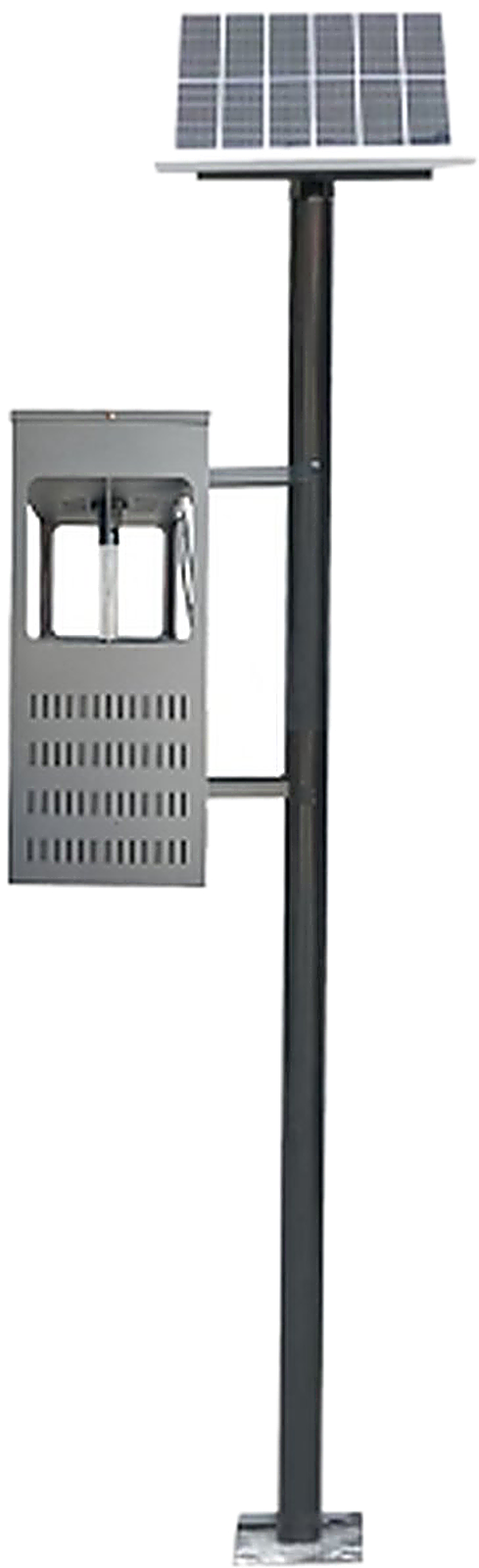
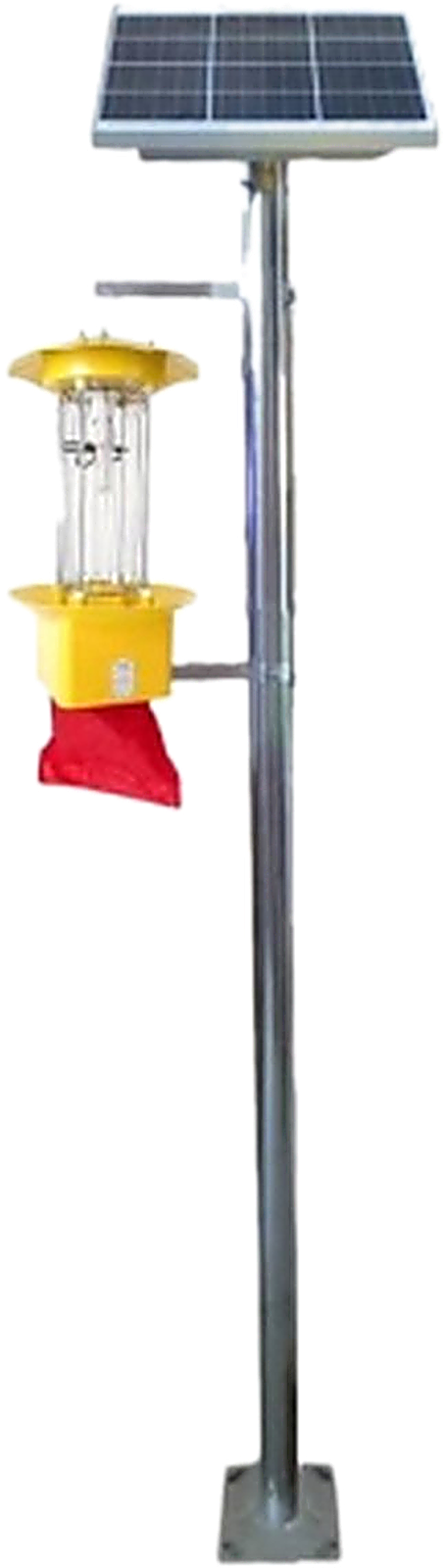
Use this solar insect killer garden guide alongside the references below to build a complete, defensible program.
For deeper technical and regulatory context, see the FAO Integrated Pest Management and the EPA safe pest control.
Do solar bug zappers really work on mosquitoes? They attract and kill many flying insects including some mosquitoes, but no device eliminates every mosquito. Used at the garden edge with screened seating, they noticeably cut bites.
Will it hurt bees or butterflies? Most models target nocturnal flying insects drawn to UV. Day-flying pollinators are far less attracted. Place units away from flowering beds to be safe.
How long does the battery last at night? A healthy 2,000 mAh unit runs 8–10 hours after a full sunny day, covering the entire dusk-to-dawn window.
Can I leave it out in the rain? IP44-rated units handle splashes; for heavy storms bring it under cover or choose an IP65 model.
Is it suitable for a small farm or allotment? Yes. Many smallholders use the same units for farm pest management on a kitchen-garden scale before scaling to field models.
A solar bug zapper is the rare garden product that is both genuinely useful and almost effortless. For homeowners it means bite-free evenings; for retailers and distributors it means a dependable, repeat-purchase line that fits the fast-growing demand for chemical-free outdoor living.