
Every resistance plan gains from a solar insect killer resistance plan that targets the adult flying stage and runs through peak season.
A solar insect killer resistance plan works best when devices are spaced by habitat and maintenance is scheduled before peak season, not after pests arrive.
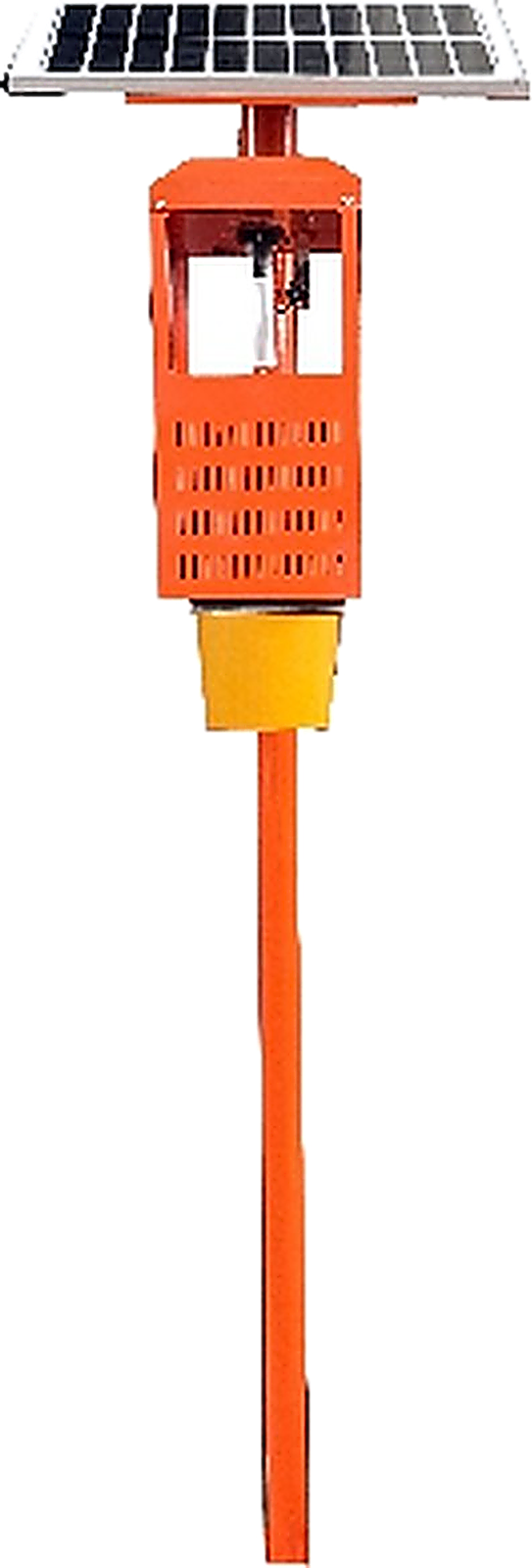
Every season a grower reaches for the same insecticide, a few more insects survive it. Within three to five years, the product that once solved the problem barely dents the population. This is insecticide resistance, and it is one of the most expensive, quietly compounding problems in modern farming. A solar insect killer will not replace chemistry entirely, but it is one of the most practical tools for slowing resistance—and for building a credible agricultural pest control program that lasts.
This guide explains what resistance is, how a trap interrupts the cycle, and how to build resistance management around off-grid light traps.
Resistance is evolution in fast motion. A spray kills ninety-nine percent of a pest, but the one percent with a genetic tolerance survives and breeds. Their offspring carry that tolerance, so the next spray must be stronger or more frequent. Left unchecked, the field develops a population the label can no longer control. The cost is not just the chemical—it is lost efficacy, higher doses, and eventually a banned or useless product.
For farm pest management, the goal of resistance management is simple: keep the susceptible insects numerous enough that resistant traits never dominate the gene pool.
A light trap attacks the pest through a completely different mechanism than chemistry. Insects attracted to UV light and killed by the grid or suction chamber do not need to be susceptible to any insecticide. That mechanistic independence is exactly why traps help with resistance.
Most destructive damage comes from larvae, but the adults that lay those eggs are the vulnerable link. A solar bug zapper removes flying adults nightly, cutting the number that reach crops to reproduce. Fewer eggs means fewer larvae, which means fewer occasions to spray at all. Every spray you do not make is a spray the pest cannot evolve against.
Resistance accelerates with spray frequency. By suppressing adult populations, a trap lowers the economic threshold crossings that trigger a spray decision. Grower records from mixed-crop estates show trap-supported blocks needing noticeably fewer insecticide passes per season than trap-free controls. Less chemistry, slower resistance, lower cost.
A trap is a cornerstone, not a cure. The strongest resistance-management programs combine it with the older, proven tactics:
A solar insect killer strengthens each of these by reducing how often you are forced to spray, giving rotation and thresholds room to work.
Turning this into a workable plan takes only a few deliberate steps.
Use the trap to carry the baseline suppression, then reserve insecticides for genuine spikes. When you do spray, rotate the active ingredient class according to the local resistance guidelines. The trap keeps pressure off the chemistry so rotation has time to matter.
Resistance-management compliance is increasingly requested by buyers and certification bodies. A solar insect killer program with dated deployment and reduced spray logs is defensible evidence that you are managing, not just reacting. Keep the records; they support both sustainability claims and export eligibility.
Resistance is not only a biology problem; it is a budget problem. Each lost-effective product must be replaced, often with a more expensive one, and higher doses raise cost per hectare directly. By contrast, a solar bug zapper is a fixed capital cost that works for years. The economic argument for traps is therefore two-sided: you spend less on chemistry now, and you protect the value of the chemistry you keep for later.
For contract farms and estates supplying regulated markets, that defensibility can be worth more than the direct savings. Buyers increasingly audit spray history, and a visible, trap-supported reduction is a competitive advantage.
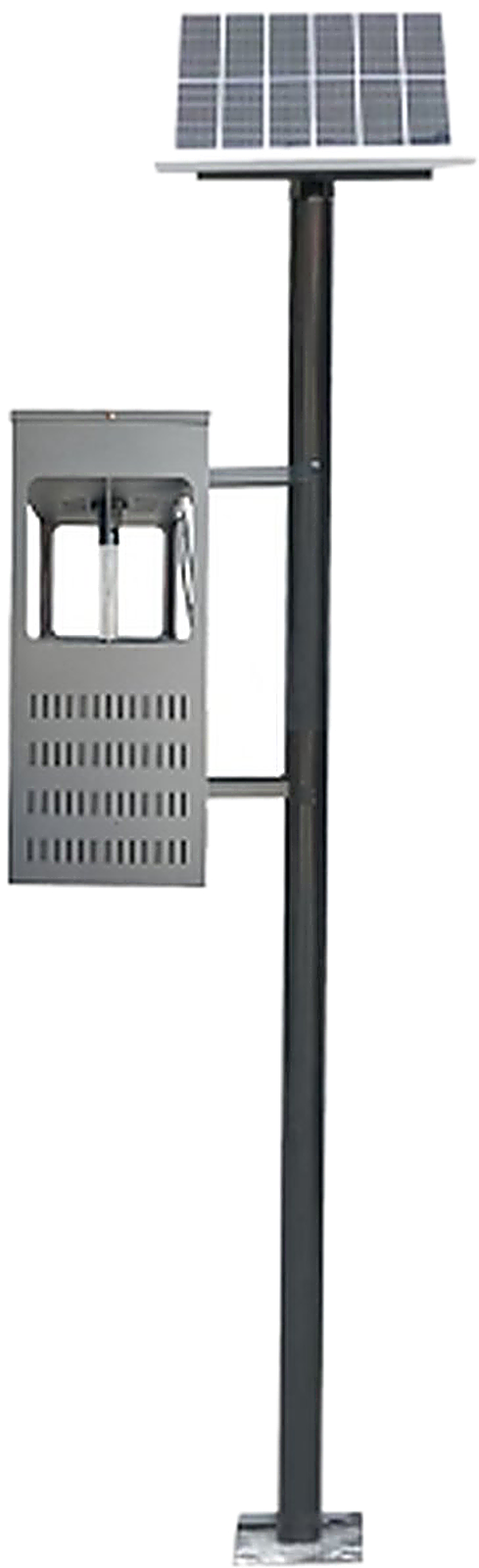
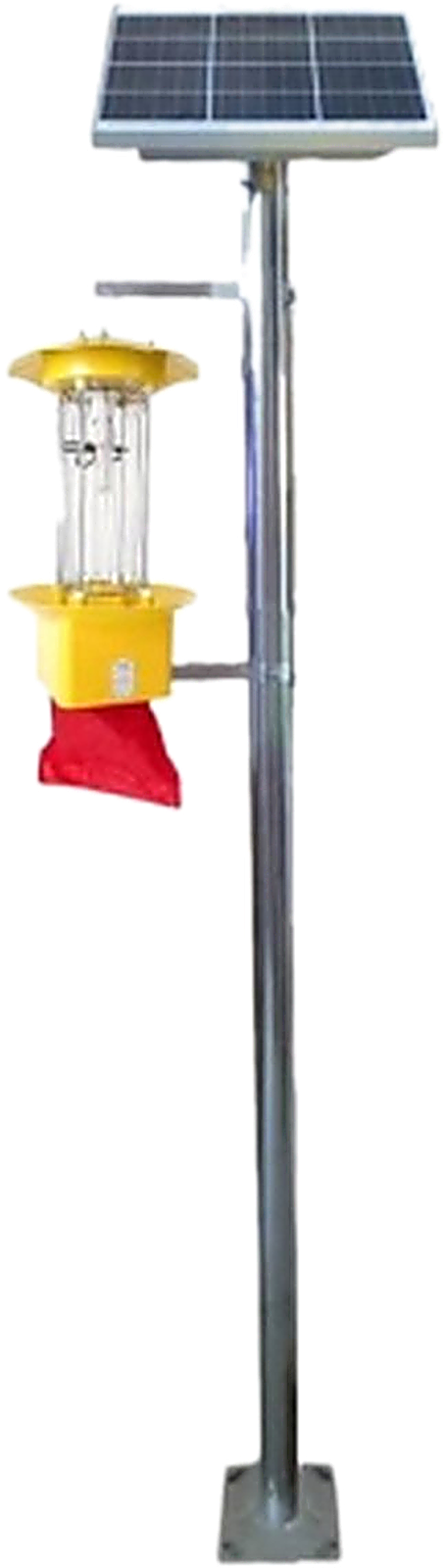
Use this solar insect killer resistance guide alongside the references below to build a complete, defensible program.
For deeper technical and regulatory context, see the FAO Integrated Pest Management and the EPA safe pest control.
Will a solar insect killer stop resistance completely? No tool does. But by reducing spray frequency and attacking pests through a different mechanism, it substantially slows the process and extends the life of your chemistry.
Can I use traps and insecticides together? Absolutely. That combination is the point. Traps handle baseline suppression; insecticides remain for genuine outbreaks, used sparingly and rotated.
Do traps help with already-resistant pests? Yes. Because the trap does not depend on insecticide susceptibility, it works regardless of a population’s resistance status, buying time for other tactics.
How many traps for meaningful resistance pressure? Coverage depends on crop and block size, but perimeter-plus-internal spacing of roughly two to five units per hectare is a common starting point; tune after the first season.
Insecticide resistance is inevitable only if we keep doing the same thing. A solar insect killer gives farm pest management a different lever—one the pest cannot evolve against—so chemistry stays effective longer. For sustainable, defensible agricultural pest control, pairing off-grid traps with disciplined spraying is one of the soundest investments a grower can make.