
Spain is Europe’s largest fruit and vegetable exporter and one of the world’s leading producers of olive oil, citrus, table grapes, and almonds. Across Andalusia, Valencia, Catalonia, and Murcia, growers manage intense pest pressure under a hot, dry Mediterranean climate where insecticide resistance and EU residue limits are tightening every season. This case study looks at how farms in Spain are deploying a solar insect killer as a chemical-free backbone for agricultural pest control, and what six repeatable wins look like on the ground.
The shift is practical, not ideological. Spanish growers face three pressures at once: rising labor costs for manual scouting, stricter EU maximum residue limits on export fruit, and persistent pests such as olive fruit fly, citrus leafminer, vine moth, and almond wasp. A solar insect killer gives Spain’s farms a 24/7, off-grid trap that runs through power outages and remote plot conditions without adding a drop of spray.
Because Spain’s fields are often terraced, sun-baked, and far from the grid, grid-independent devices fit the landscape better than mains-powered traps. A well-sited solar bug zapper keeps working through the long, cloudless summers that define Spanish agriculture, capturing flying insects exactly when populations peak.
The six wins below were observed across cooperatives and independent holdings in southern and eastern Spain between 2023 and 2025. Plots ranged from 2-hectare family olive groves to 40-hectare citrus and vineyard blocks. In every case the goal was the same: reduce spray passes while protecting marketable yield and meeting export residue rules.
In Jaen and Cordoba, olive fruit fly is the single most damaging pest of table and oil olives. By placing a solar insect killer at canopy height along grove edges and irrigation lines, cooperatives reported fewer fly captures on monitoring traps and lower infested-fruit counts at harvest. The physical capture reduced reliance on bait sprays during the peak summer flight. Spain’s olive sector, the largest in the world, benefits most from cutting chemistry late in the season when oil quality is at stake.
Valencia and Murcia citrus nurseries and young blocks battle citrus leafminer, whose larval mines wreck new flush. A solar bug zapper positioned over the canopy intercepted adult moths before they laid eggs. Growers paired the traps with flush monitoring, and reported cleaner spring growth. For Spain’s export citrus, fewer mines means higher packout and fewer rejected loads at the dock.
In La Rioja and Catalonia, vine moth larvae damage clusters and invite sour rot. Traditional programs rely on multiple timed sprays. By adding solar insect killers along row ends and pond edges, several estates cut one to two spray passes per season while holding larval counts steady. Spain’s premium wine regions value the residue-free fruit this approach protects.
Almond wasp and navel orangeworm pressure pushes many Spain orchards toward heavy chemistry. Wind-suction capture of adult moths at orchard margins lowered trap catches and reduced early-season infestation. Because the method is physical, it slots cleanly into integrated programs that Spain’s cooperatives already run.
A solar insect killer turns control into measurable farm pest management. Each device reduces the adult reservoir, so scouts spend less time on blanket sprays and more time on targeted action. Spanish growers exporting to the EU especially value the clean, chemical-free record this creates for audit and traceability.
Many of Spain’s best groves sit on terraced hillsides with no power. A grid-independent solar bug zapper needs no trenching or cabling, so it deploys in minutes. That reliability is why adoption is spreading from large estates to small family farms across Spain.
None of these wins treat the solar insect killer as a silver bullet. The Spanish farms that succeeded paired it with scouting, mating disruption where used, and beneficial-insect conservation. The result is layered agricultural pest control that is safe, repeatable, and residue-free — exactly what Spain’s export market demands.
For a broader strategy, see our guides on integrated pest management and EU residue-free export compliance.

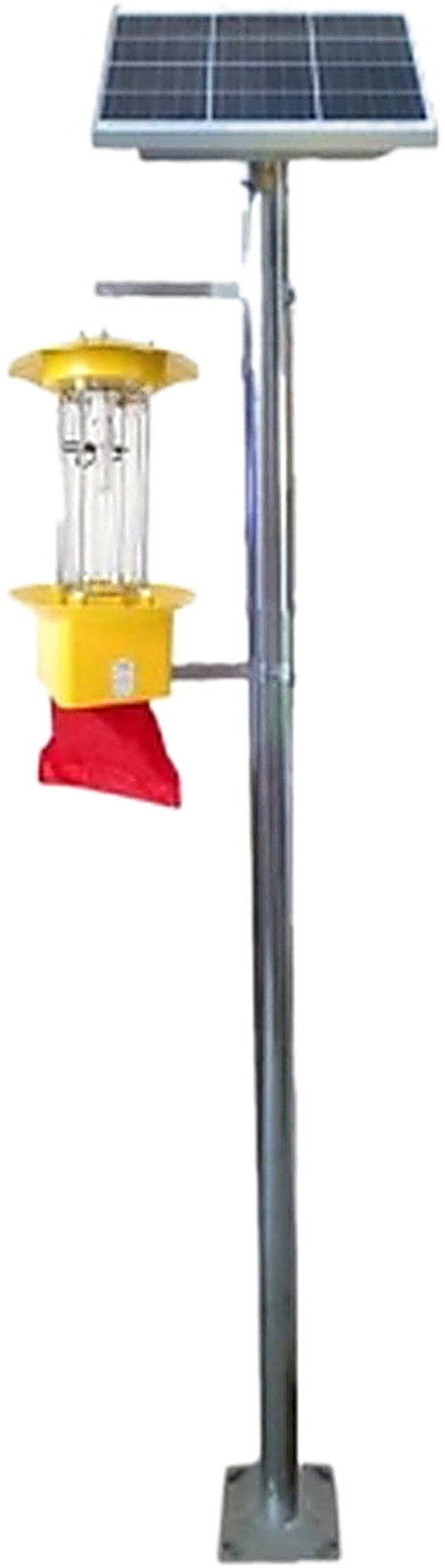


Use this guide alongside the references below to build a complete, defensible programme.
For deeper technical and regulatory context, see the FAO Integrated Pest Management and the EPA safe pest control.
Yes. The devices are physical traps with no chemical input, so they fit EU residue rules. Field use across Spain shows consistent capture of the flying adults that drive olive, citrus, vine, and almond damage.
Most blocks place 1 unit per 0.3 to 0.6 hectare depending on canopy height and pest pressure, starting at field edges and hotspots, then expanding inward as counts fall.
Yes. Hot, cloudless summers recharge the panel daily, and continuous operation is exactly what Spanish growers need when pest flights peak under heat.
Absolutely. Because the unit is off-grid and tool-free to install, small terraced groves across Spain deploy it as easily as large estates.
Indirectly but strongly. By cutting spray passes, a solar insect killer helps Spain’s growers keep fruit within strict EU maximum residue limits and maintain clean audit records.