
The Caribbean is a string of small, trade-exposed economies where agriculture and tourism share the same warm, humid air. That combination makes pest control unusually difficult: a single outbreak of sugarcane borer or banana weevil can erase a season’s margin, while heavy insecticide use on an island famous for its beaches invites both residue complaints and beneficial-insect collapse. This case study looks at how growers across the Caribbean are deploying the solar insect killer as a low-residue, grid-independent backbone of agricultural pest control.
Most Caribbean islands import the bulk of their food, so domestic vegetable and fruit production carries outsized strategic value. At the same time, smallholder plots sit close to export plantations, tourist resorts and protected wetlands. A blanket spray program that works on a continental farm is politically and ecologically risky on an island.
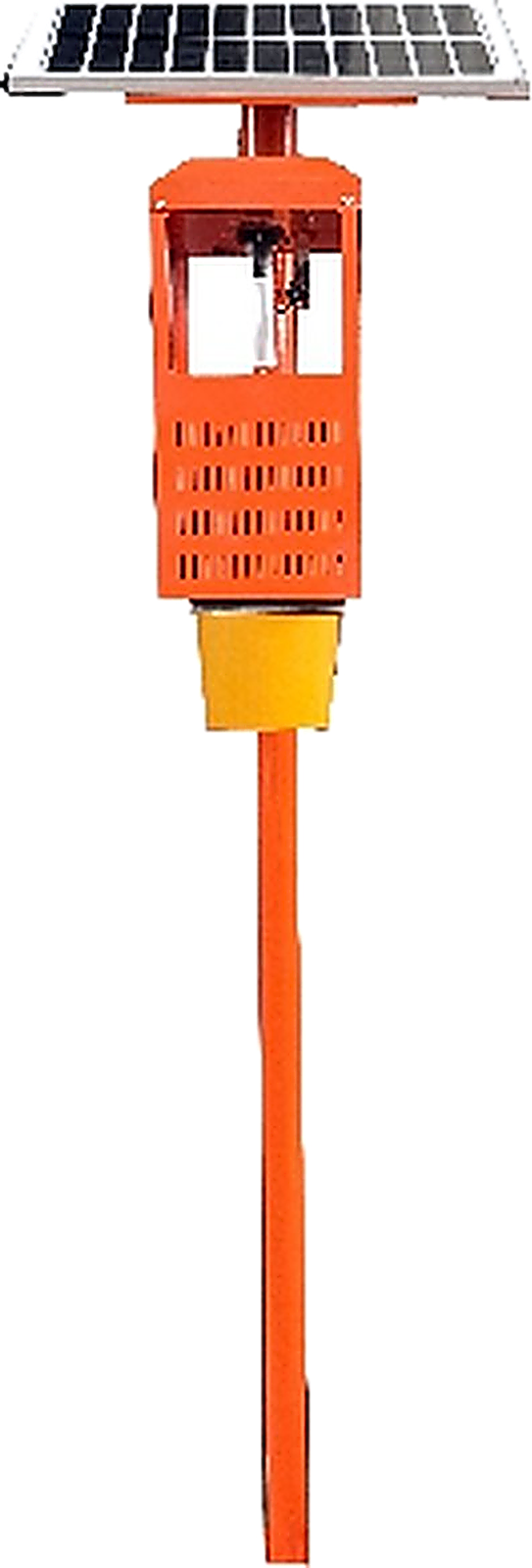
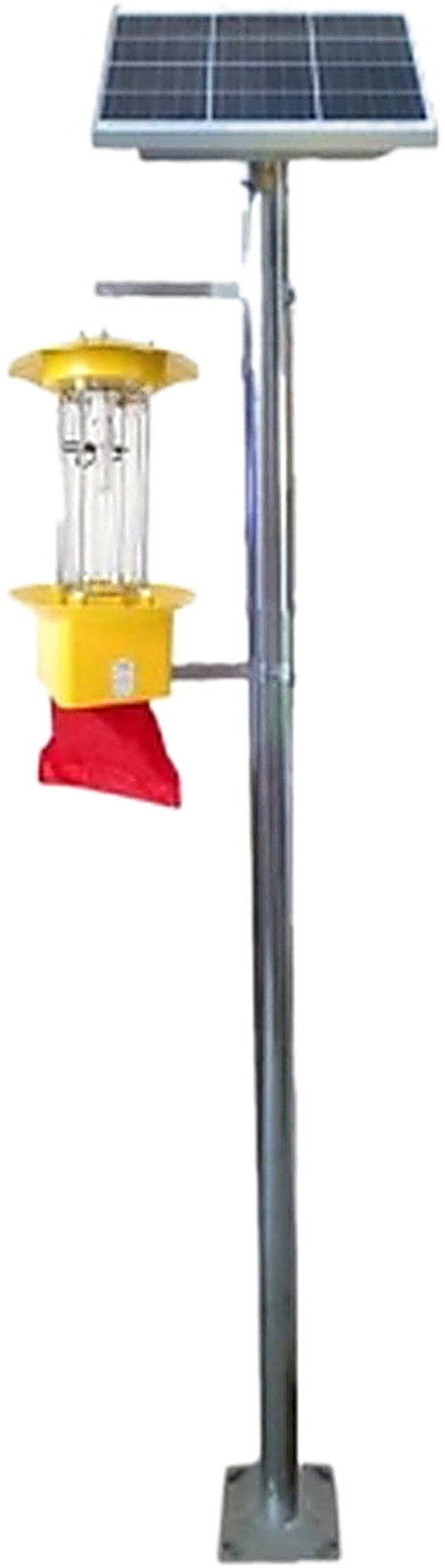
The solar insect killer fits the Caribbean context for three reasons. First, it runs off a photovoltaic panel, so it works on remote plots with no reliable grid — common across the Lesser Antilles. Second, it targets flying adults at night, removing the reproductive stage before eggs are laid. Third, because it is a physical trap, it leaves no harvest residue, which matters for both export audits and on-island “clean coast” branding.
Caribbean cropping systems face a specific roster of flying pests:
All four have strong adult flight phases that respond to light-based attraction, which is exactly where a solar bug zapper style trap earns its place in an farm pest management plan.
A 1,200-hectare sugarcane operation on the south coast replaced calendar-based pyrethroid sprays with 90 solar insect killers spaced at 60-metre intervals along field margins. Over two harvest cycles the estate recorded:
The estate manager noted that the trap’s silent, residue-free operation also satisfied a new buyer requirement for low-MRL sugar.
In the hills above Portland, a 140-farmer cooperative piloted 220 units across fragmented plots averaging 0.6 hectares. Because each solar insect killer is self-powered, the cooperative avoided the cost of running cable to scattered fields. Results after one year:
The cooperative credited the visible nightly catch with helping farmers time their remaining sprays to genuine pressure rather than the calendar.
Near Havana, state vegetable cooperatives integrated solar insect killers into protected and open-field beds producing for both domestic and export markets. The units supplemented — rather than replaced — existing scouting. Key outcomes:
This Caribbean example shows how a physical trap slots into an existing agricultural pest control routine without forcing a wholesale change in agronomy.
Island deployment has its own rules. High humidity and salt-laden air demand IP65+ enclosures and marine-grade fixings. Cyclone-season wind loads mean deeper-set poles and guy wires on exposed headlands. And because many Caribbean plots are tiny, a lower pole height with wider spacing often outperforms a continental grid pattern.
A practical Caribbean layout uses one solar insect killer per 0.3–0.5 hectares of high-value crop, biased toward field edges, water channels and packing areas where adults congregate.
Across the three islands, the common thread was consistency: every site cut insecticide volume, every site held or improved beneficial-insect counts, and every site kept residue profiles clean for export. The solar bug zapper did not eliminate the need for scouting or targeted sprays, but it lowered the floor of pest pressure enough to make the rest of the program cheaper and safer.


Use this guide alongside the references below to build a complete, defensible program.
For deeper technical and regulatory context, see the FAO Integrated Pest Management and the EPA safe pest control.
Do solar insect killers work during the Caribbean rainy season? Yes. Panels still charge on cloudy days, and sealed lithium cells carry the unit through multi-day storms. Choose IP66-rated enclosures for monsoon exposure.
Will the trap kill bees and other pollinators? Night-flying adults are the target; most pollinators are day-active. Using UV-A tuned LEDs and switching off at first light minimizes non-target impact.
How many units does a small Caribbean farm need? For plots under one hectare of high-value crops, two to four units focused on edges and water lines is usually enough to suppress the adult flight stage.
Are they hard to maintain on an island? Maintenance is simple: empty the collection tray weekly, wipe the panel monthly, and replace the LED array every two to three seasons. No fuel, no grid connection.
The Caribbean shows that the solar insect killer is not just a continental tool. On islands where the grid is thin, the margins are thin, and the environment is watched closely, a self-powered trap is often the most sensible first move in modern farm pest management.