
Tea is one of the most residue-sensitive crops on earth. Buyers in Japan, Europe and the Middle East test every shipment for synthetic pesticide traces, and a single failed lot can erase a season’s margin. That is why more estates are turning to the solar insect killer as a front-line tool for agricultural pest control in tea plantations. This guide explains which pests matter, how light traps fit an IPM plan, and what to expect on the ground.
Tea leaves are harvested continuously, sometimes every 7–10 days during flush. Any spray that leaves residue risks rejection at the factory gate. At the same time, the canopy is dense, shaded, and humid — a perfect breeding ground for sucking insects that multiply fast.
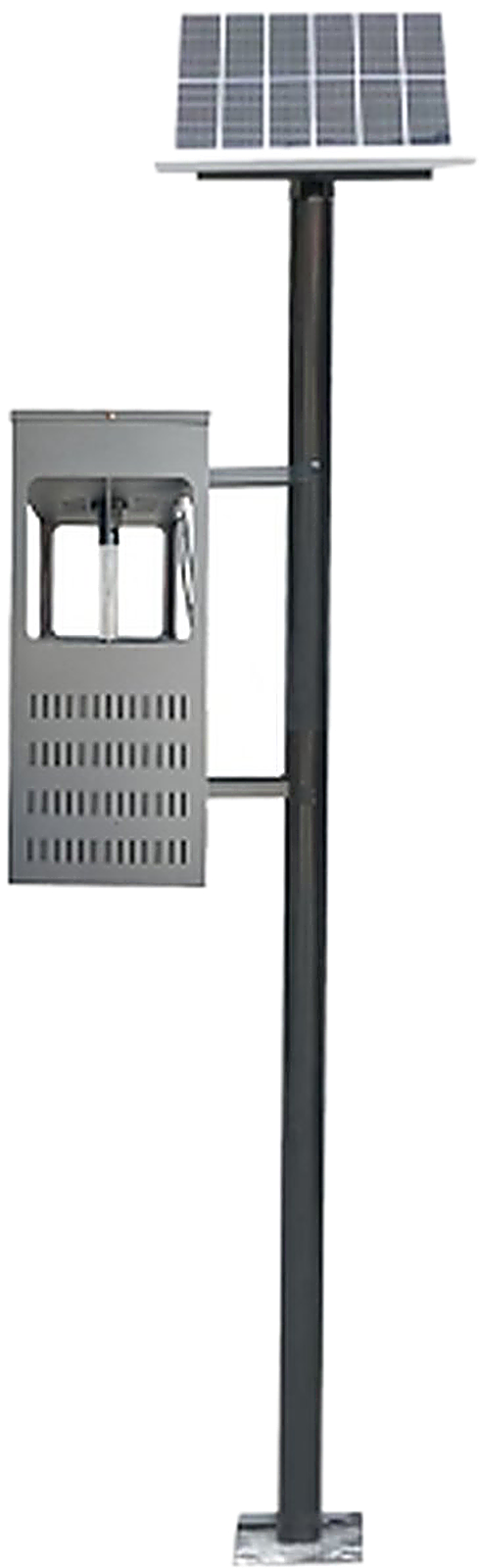
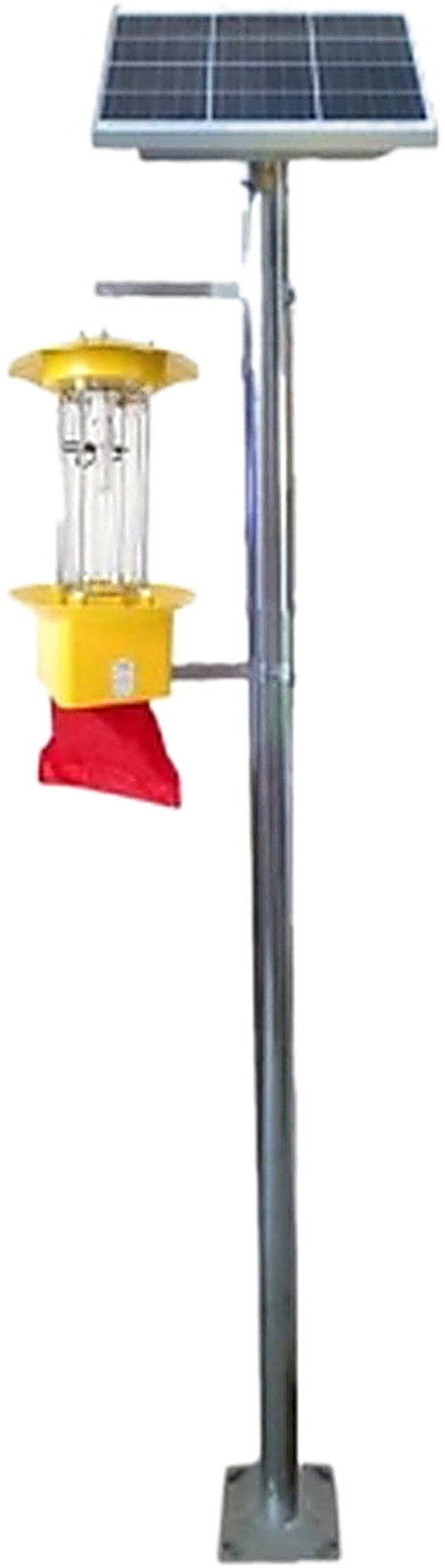
A solar bug zapper aimed at adult fliers breaks the breeding cycle before larvae ever reach the tender two leaves and a bud that define quality tea. Because the trap runs on sunlight, it needs no grid power on remote hillside estates.
The small green leafhopper is the headline pest. Nymphs and adults pierce the leaf and suck sap, causing “hopper burn” — yellowing, curling, and reduced shoot growth. Heavy infestations cut yield and lower the value of made tea.
Tiny and easy to miss, thrips scar young leaves and cause bronzing. They thrive in dry spells and spread fast across closely planted rows.
In humid regions, Helopeltis punctures shoots and causes dieback on the growing tip, directly reducing pluckable biomass.
Defoliators such as loopers and caterpillars chew the canopy, and while they are not always light-attracted, reducing adult moth pressure with a solar insect killer lowers secondary outbreaks.
The device lures nocturnal and crepuscular adults with a UV-rich LED, then drops them into a collecting tray. In tea plantations, placement matters more than raw power:
This form of farm pest management is mechanical and leaves no chemical residue, which is exactly what premium tea buyers want.
A solar bug zapper is not a silver bullet. The strongest results come when it anchors a broader plan:
1. Monitoring — count daily catch to time other actions. 2. Cultural control — prune to open the canopy and reduce humidity that favors thrips. 3. Biological control — conserve spiders and predatory bugs that already live in the hedge. 4. Targeted botanicals — reserved for outbreaks that traps alone cannot contain.
By trapping the adults, you reduce the egg load and stretch the interval between any needed sprays, keeping residue comfortably inside limits.
Organic and Rainforest-Alliance buyers increasingly ask for a documented, low-chemical record. A solar insect killer gives you a clean line item: physical control, zero MRL risk. Estates that publish catch-data logs find it easier to defend their residue claims during third-party audits.
A single trap covers a fraction of a hectare-night, so think in coverage, not units. Many estates recover the cost within one to two flush seasons through:
Because the unit is solar, there is no electricity bill and almost no recurring consumable cost beyond occasional tray cleaning.


Use this guide alongside the references below to build a complete, defensible programme.
For deeper technical and regulatory context, see the FAO Integrated Pest Management and the EPA safe pest control.
Do solar insect killers work on thrips in tea? They reduce thrips pressure by trapping the winged adults that move between flushes, especially in dry periods. Combine with canopy opening for best results.
Will the light harm beneficial insects in my tea hedge? Traps mostly catch nocturnal fliers. Day-active pollinators are largely unaffected because the trap runs at night.
How many traps do I need per hectare of tea? Typical coverage is one unit per 1–2 hectares in mature estates, with denser spacing in nurseries and low, shaded valleys.
Can I use solar traps for organic-certified tea? Yes. Physical trapping leaves no residue and is accepted under most organic and low-residue schemes as a mechanical control method.
What maintenance does a solar insect killer need in a humid tea estate? Wipe the panel monthly, empty the catch tray weekly, and check the battery after the rainy season. The humid climate is manageable with simple routine care.
Tea plantations that adopt light traps as part of a measured IPM plan protect both their crop and their export reputation. Start with monitoring, place units at canopy height, and let the solar insect killer do the night shift — residue-free.