
Controlled-environment agriculture — greenhouses, indoor farms, and vertical racks — promises clean, predictable production. Yet the same enclosed, warm, humid space that grows crops fast also grows pests fast. Fungus gnats breed in the growing media, thrips and whiteflies explode under continuous light, and a single infested tray can seed a whole room. Farm pest management indoors cannot lean on weather or natural enemies the way open fields can, so the program has to be mechanical and proactive.
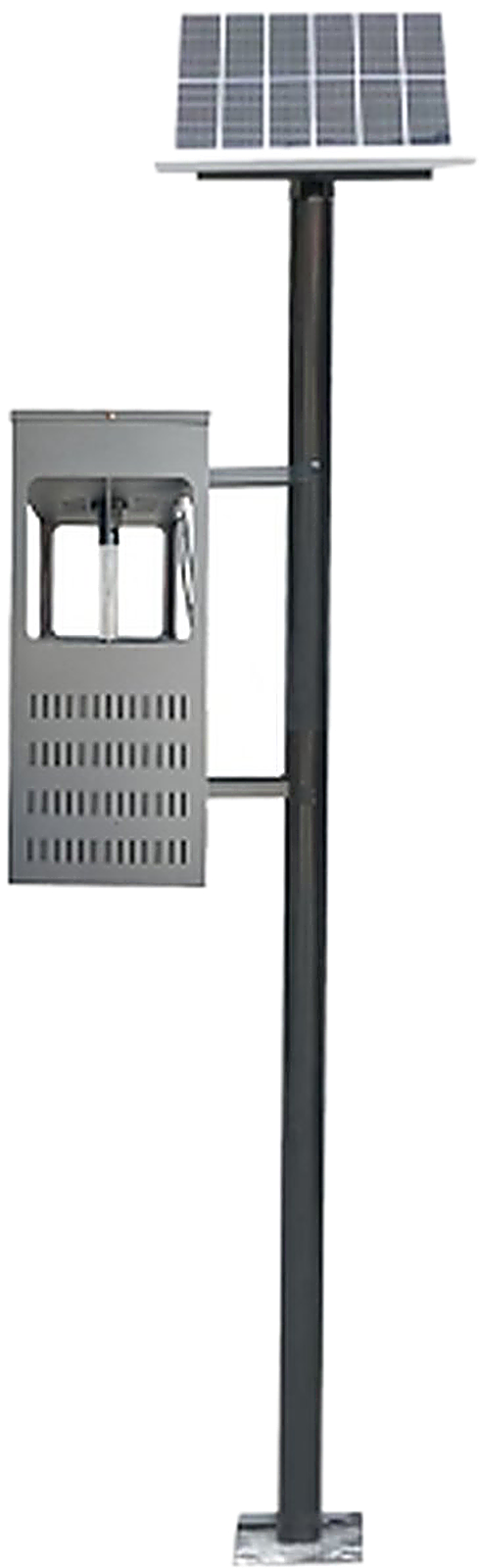
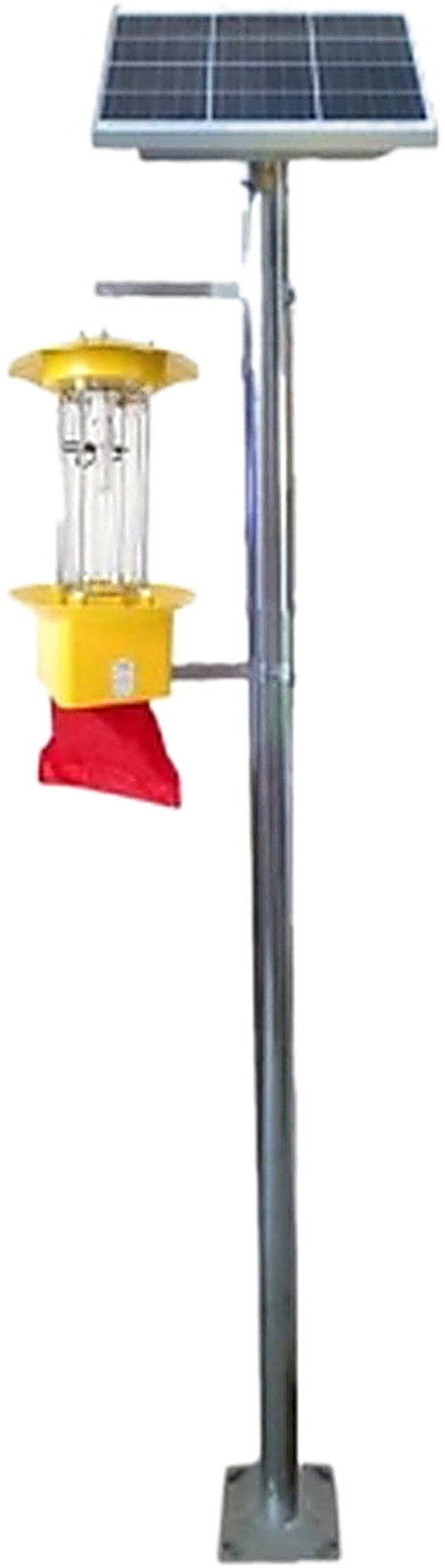
A solar insect killer may sound like a field tool, but it fits controlled environments surprisingly well: it needs no grid electricity, emits no chemical, and runs silently through the dark hours when many indoor pests are most active.
Because an indoor solar bug zapper works without spray, it protects the beneficial insects (predatory mites, wasps) that many vertical farms already release — a chemical knock-down would kill them too.
Most indoor farms have power, so why solar? Three reasons:
A solar insect killer becomes part of the facility’s passive defense — always on, never needing a spray decision.
The usual error is hanging a trap directly above the canopy, where it competes with the crop for the pest’s attention and pulls adults deeper into the plants. Aisle placement draws them out. The second mistake is one trap for an entire room; density should scale with area and with propagation risk. A third is forgetting the dark cycle — traps do their best work when the room goes dark, so the lamp schedule should match the pest’s active window, not the staff’s.
The goal of agricultural pest control in CEA is to avoid the spray spiral: a knock-down that also kills beneficials, forcing more sprays. A trapping layer keeps adult numbers low so biological control stays effective and interventions stay rare. Growers report fewer pesticide applications, cleaner audit residue sheets, and less labor mixing and applying product.
Because the trap is silent and chemical-free, scouts can run it alongside beneficial releases without conflict. The captured adults become the early-warning signal that tells the room when to release more predators rather than reach for a product. Over a few weeks the sticky-card counts and the trap catch tell a clear story of whether pressure is rising or falling.
As a rule of thumb, start with one unit per 100–200 m² and adjust from sticky-card counts. Propagation and mother-plant zones deserve extra density because a single infested tray is the highest-risk point in the room. Treat the trap count as a living number: add units where counts climb, and hold steady where they stay flat.
Buyers of CEA produce care about footprint. A solar-charged trap lets a grower state the pest layer runs on renewable capture with zero chemical input — a strong line for retail and foodservice tenders. It also removes a line item from the chemical budget, which finance teams notice as quickly as agronomy teams notice the pest pressure drop.
A mature indoor program layers:
This stack is how modern farm pest management keeps a room profitable without a chemical dependency.


Use this guide alongside the references below to build a complete, defensible program.
For deeper technical and regulatory context, see the FAO Integrated Pest Management and the EPA safe pest control.
Do UV traps bother the crop photoperiod?
No. They run only in the dark cycle and the low-intensity lure does not affect plant light requirements.
Are grid or sticky units better indoors?
Sticky units are preferred in food-handling rooms (spark-free, silent); grid units suit utility corridors and entry airlocks.
Will trapping alone control an active infestation?
No. Use it for prevention and adult suppression; treat an active outbreak with the IPM tools your audit allows.
Can they be used in propagation tents?
Yes, small footprint units work well above seedling trays where gnats and shore flies breed.