
Date palm is a cornerstone crop across North Africa, the Middle East, South Asia, and parts of the Americas. A single mature tree can produce 100 kg or more of fruit per season, but insect pests threaten both yield and tree health. For oasis and plantation growers, a solar insect killer adds a safe, off-grid layer of control that complements traditional monitoring and reduces reliance on broadcast sprays.
The red palm weevil is the most destructive pest of these trees worldwide. Females bore into the crown and lay eggs; larvae tunnel through tissue, often killing the host before symptoms show. Early detection and adult trapping are essential to avoid catastrophic losses across an entire plantation.
Dubas bug and related psyllids suck sap from fronds, causing premature drying and yield loss. Outbreaks are periodic but severe, especially in humid oasis conditions where the crop is densely planted and air movement is limited between rows.
Scale and mites accumulate on fronds and inflorescences, weakening the tree and reducing fruit set. They thrive where spray coverage is poor, making them a persistent challenge for manual control programs that depend on perfect nozzle reach.
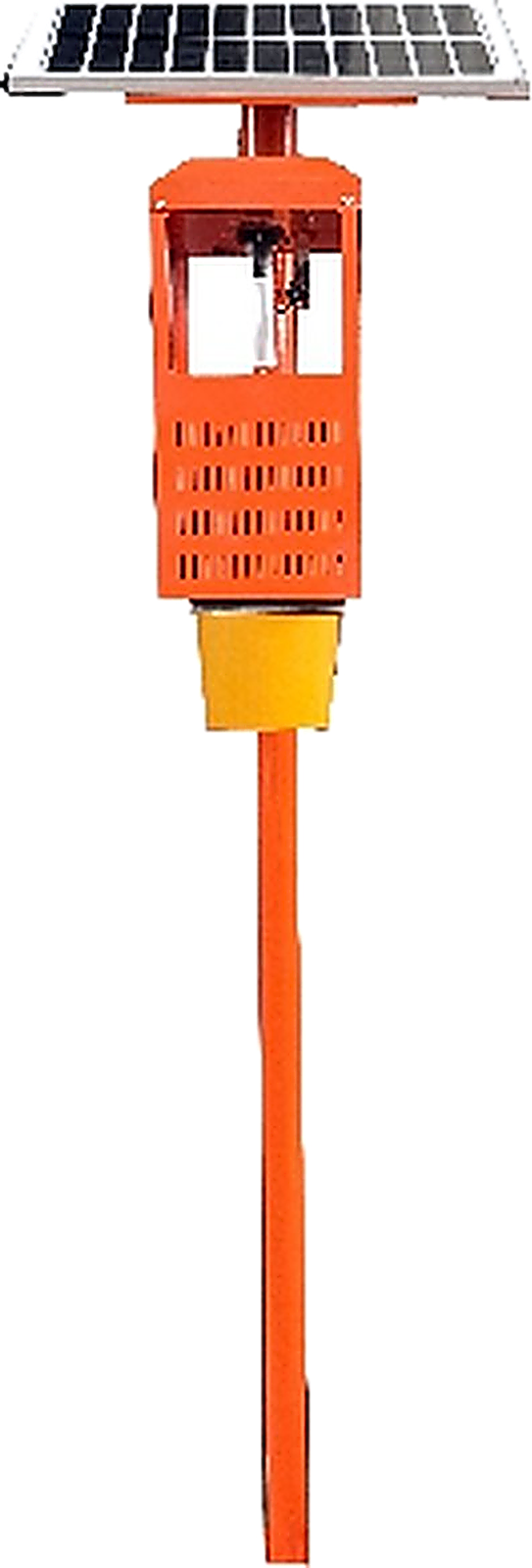
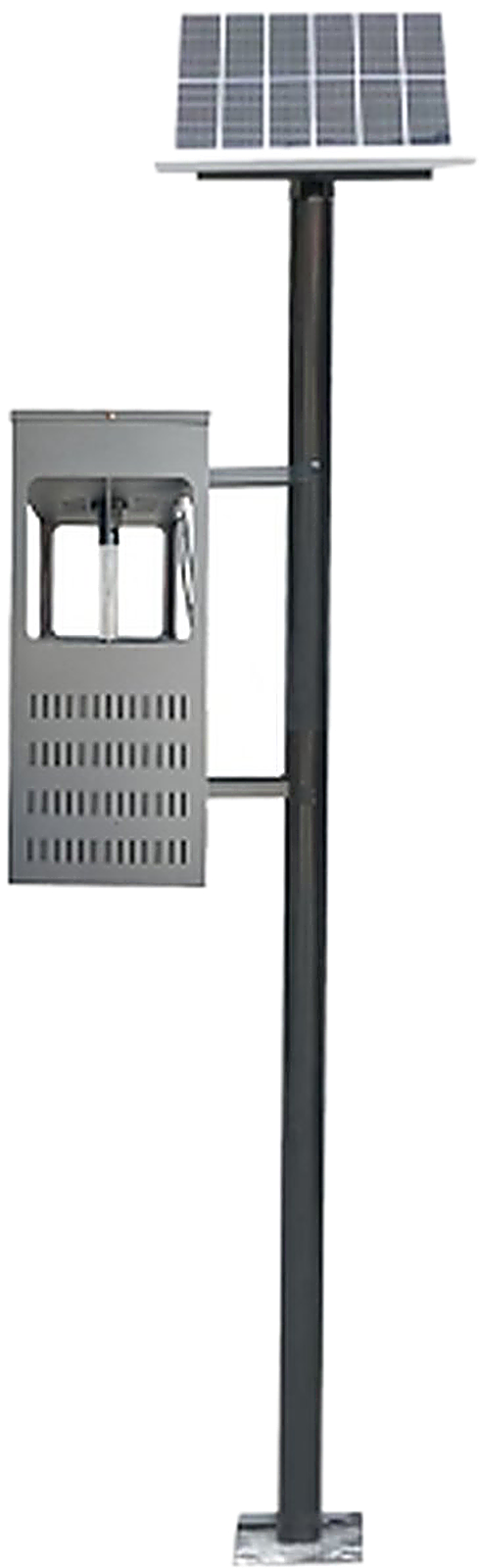
A solar bug zapper attracts and captures adult flying pests — weevils, psyllids, and moths — around the plantation without chemicals. Because it runs on sunlight and battery, it suits remote oases and large gardens where grid power is unavailable. For farm pest management, it is a safe, residue-free tool that protects both fruit and pollinators while lowering labor for night spraying.
Inspect the crown, leaf axils, and trunk for weevil frass, chewed tissue, and off-color fronds. Regular scouting is the foundation of any sound control plan and lets you act before a pocket becomes a plantation-wide problem that is expensive to reverse.
Ring your garden with solar insect killer units at the edge and between rows. Adults flying between palms are intercepted before they reach healthy trees, breaking the reproduction cycle at its most vulnerable stage and shrinking the next generation.
Offshoots are vulnerable to weevil attack. Keep them within the protected zone of your devices and avoid wounding during separation, since fresh cuts are exactly where adult weevils choose to lay eggs and start a new colony.
Pheromone lures catch male weevils and signal outbreak timing. Use them alongside your solar insect killer to sharpen control decisions and to confirm whether adult pressure is rising or falling week to week in each block.
Flood or over-irrigation raises humidity that favors psyllids and mites. Switch to controlled drip scheduling to keep the microclimate less hospitable, which also conserves water in arid growing regions where every drop counts.
Remove and destroy infested fronds away from the block. Good sanitation limits pest carryover between seasons and reduces the number of adults that your devices need to intercept each night, improving overall efficiency.
Wind-suction solar bug zapper models avoid sparks near dry foliage — an important safety advantage in arid regions prone to fire risk. They also reduce bycatch of beneficial insects compared with grid designs that arc and burn.
Weevils and psyllids fly on predictable peaks. Run devices continuously and intensify monitoring during those windows for maximum control, then ease effort once counts drop reliably and the flight window closes.
Equip field crews with a simple scouting checklist. Human eyes plus a solar insect killer network catch problems far earlier than either alone, and trained workers become your cheapest early-warning system against new infestations.
Arid regions favor the date palm but also concentrate pests around scarce water. A grid-independent solar insect killer fits this reality: no fuel, no wires, and continuous protection through hot seasons. It is a practical pillar of sustainable farm pest management for oasis agriculture and scales naturally as plantings expand.
For regional context, see our citrus pest guide and the monitoring guide.


Use this guide alongside the references below to build a complete, defensible programme.
For deeper technical and regulatory context, see the FAO Integrated Pest Management and the EPA safe pest control.
Yes. Units are built for outdoor, high-temperature operation; just ensure the panel is positioned for maximum daily sun and the battery is sized for long summer nights.
Because the tree is tall and spaced widely, 1 unit per 0.3–0.6 hectare is typical, concentrated at edges and water points where pests gather.
Wind-suction, chemical-free capture is safe near flowering dates and bees when units are sited above the canopy and away from hives.
It is a strong preventive layer but not a standalone cure for established weevil colonization. Use it within an integrated control plan alongside sanitation and targeted treatment.