
Bamboo is one of the fastest-growing crops on earth, prized for timber, paper pulp, and edible shoots across Asia, Latin America, and parts of Africa. But that rapid growth also attracts a steady stream of insects. Bamboo plantations that ignore pest pressure quickly lose culm quality and shoot yield. This guide explains how agricultural pest control with a solar insect killer fits into a modern bamboo farm pest management program.
A bamboo plantation offers pests both food and shelter. Young shoots are soft and protein-rich, while mature culms host boring insects that live inside the stalk for months. The dense canopy also traps humidity, which favors scale insects and mites. Because bamboo is often grown in large, remote blocks, scouting by hand is slow and chemical sprays are expensive to reach, which is why many growers now add a solar bug zapper style trap to the edge of each block.
The most damaging group is the pyralid borer, whose larvae tunnel into young culms and cause permanent hollows that snap in wind. Adult moths are strong night flyers and respond well to light-based trapping. A solar insect killer placed at the plantation margin can intercept moths before they reach fresh shoots.
Several caterpillar species roll bamboo leaves and strip the canopy. While the caterpillars themselves are protected inside the roll, the adult moths are vulnerable at night. Trapping the adults lowers the next generation’s pressure and protects the all-important leaf area.
Aphids and mealybugs cluster on new growth and excrete honeydew that feeds sooty mold. A solar insect killer does not directly remove these settled insects, but it cuts the winged adults that spread them from block to block, an important part of farm pest management at scale.
A solar insect killer runs without grid power, which suits the off-grid nature of most bamboo plantations. It silently pulls in night-flying moths and beetles across a 20 to 40 meter radius. By reducing the adult population, it lowers egg-laying near fresh shoots and reduces the need for rescue spraying. For edible-shoot growers, fewer chemical residues also mean safer product for export markets.
Mount the unit on a pole about two meters above the ground, just above the average canopy line so the light is visible to approaching moths. Space units 30 to 50 meters apart along block edges and internal lanes, prioritizing the windward side where adults fly in.
Start the device at the first warm nights of the rainy season, when borer moths begin to emerge. Keep it running through the shoot flush, then maintain a lighter schedule during dry dormancy. A solar bug zapper that runs all season still costs nothing in fuel, so uptime is rarely a constraint.
A solar insect killer is one layer, not the whole solution. Pair it with scouting for early borer signs, removal of heavily infested culms, and release of natural enemies where available. In bamboo plantations, this combined approach delivers steadier culm quality than spraying alone and supports the low-residue claims that buyers now demand.
Not every trap suits every bamboo plantation. Dense timber blocks benefit from higher lamp output and a wider catch tray, while shoot farms near homes prefer a quieter fan and a smaller footprint. Look for an IP65 housing, a sealed LiFePO4 battery that survives daily charge cycles, and a pole mount that resists the sway of tall culms. A unit with a visible catch tray also helps cooperatives demonstrate results to buyers during farm pest management audits, and makes seasonal catch counting far easier for new operators who are still learning the system.
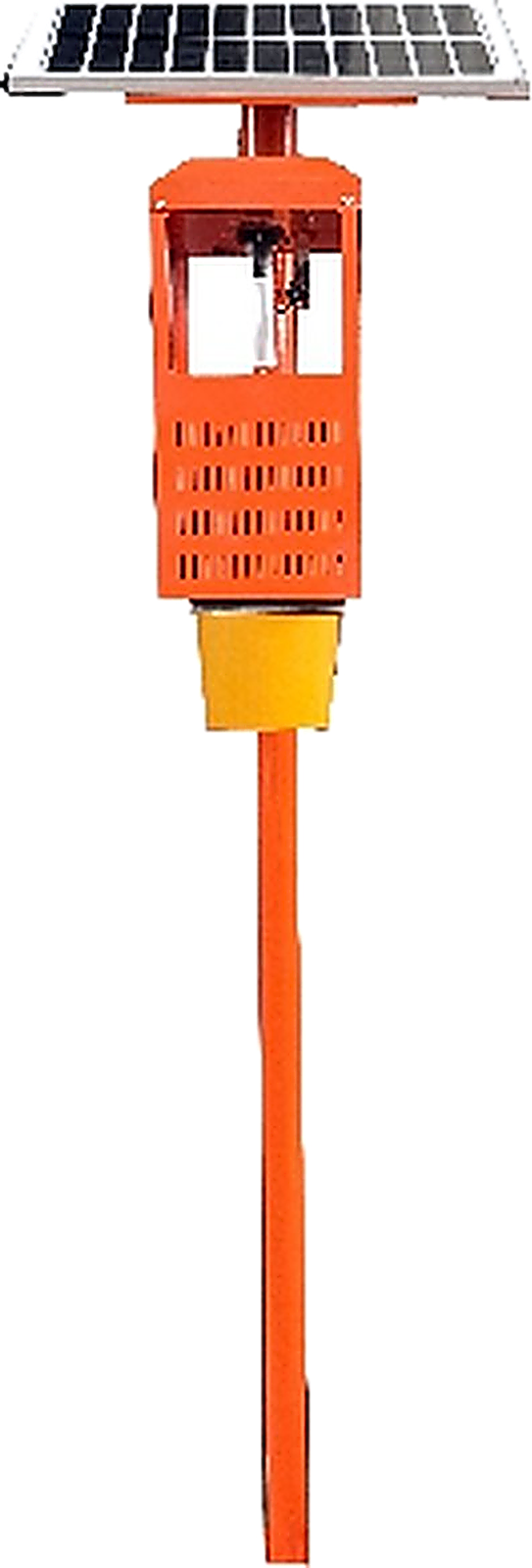
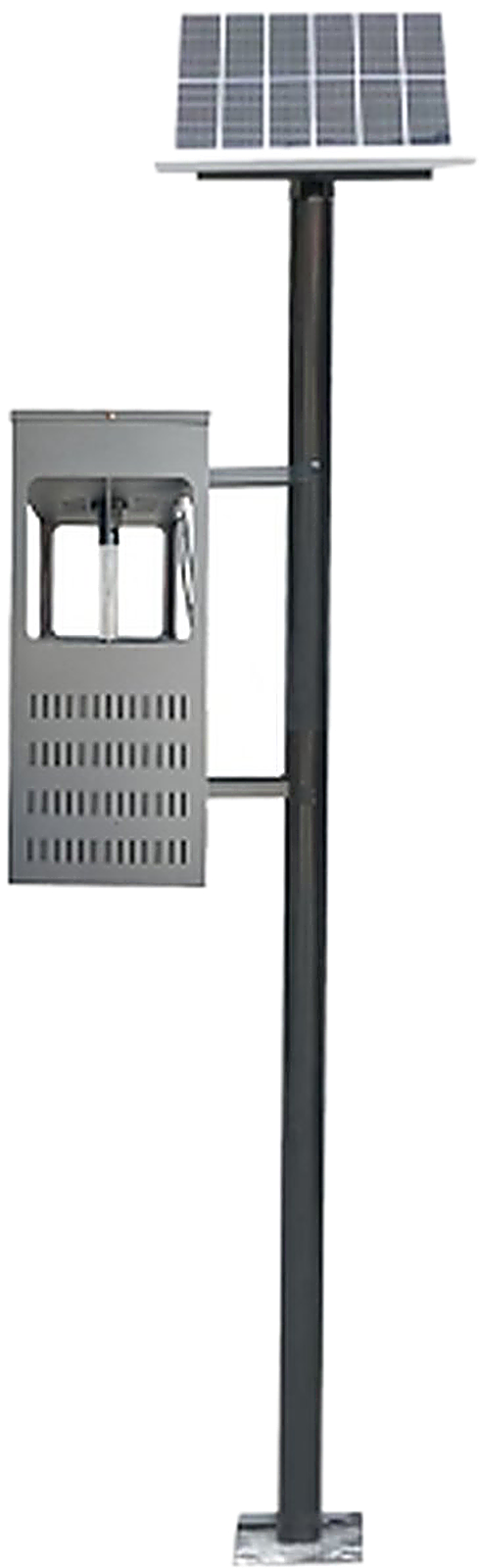
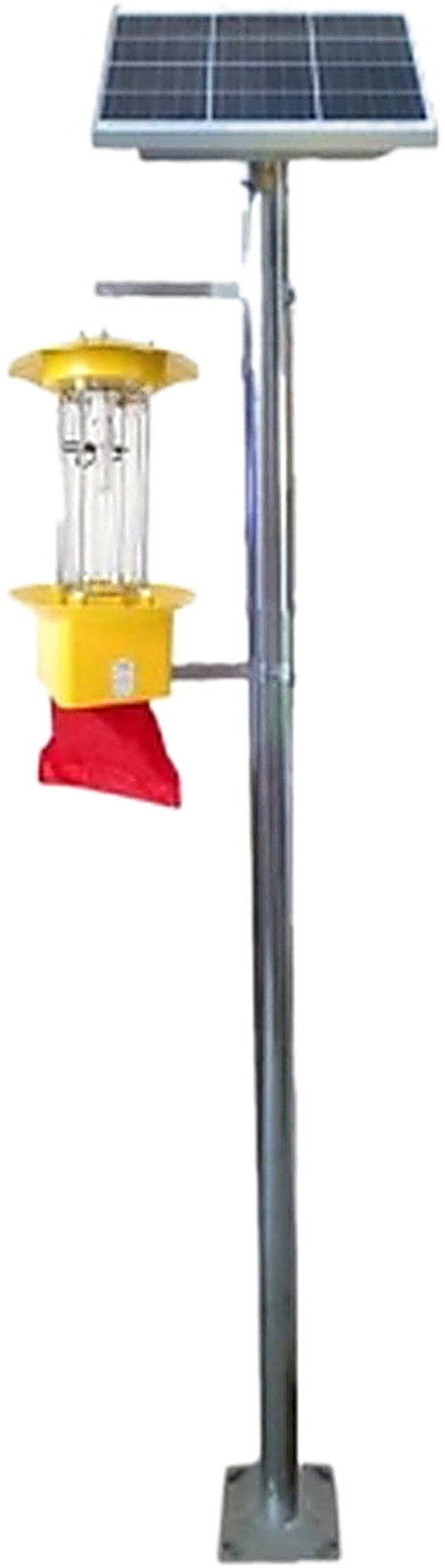

Use this guide alongside the references below to build a complete, defensible programme.
For deeper technical and regulatory context, see the FAO Integrated Pest Management and the EPA safe pest control.
No device removes larvae already tunneling inside the stalk. The value is in catching the adult moths before they lay eggs, which is why timing at emergence matters most.
For a typical dense bamboo plantation, plan on one unit per 0.2 to 0.3 hectare of actively flushing area, concentrated along edges and lanes rather than deep inside uniform stands.
Yes. The method is physical and non-chemical, so it leaves no residue on shoots, which is a major advantage for farm pest management aimed at food-export markets.
Quality units carry IP65 housings and sealed batteries built for tropical humidity, but wipe the panel monthly so dust and mildew do not cut charging efficiency.
Bamboo plantations face a unique mix of borers, rollers, and sap feeders that no single tool can defeat. A solar insect killer strengthens agricultural pest control by cutting the flying adults that start each cycle, while scouting and sanitation handle the rest. Used together, they protect both culm quality and edible-shoot safety.