
White grub is the C-shaped larva of the chafer beetle, a soil feeder that cuts roots, tunnels through tubers and kills young plants from below. A white grub problem is usually discovered late, when turf lifts like a loose carpet, maize stands thin out, or the potato harvest reveals damaged roots. By then the feeding window is nearly over and the adults have already laid the next batch of eggs. Effective control of this pest has to work on two fronts: scouting the soil and reducing the night flight of the parent beetles.
This guide gives growers and export teams a practical program built on scouting, rotation, biological tools and a solar insect killer, with no routine calendar spraying. It is written for commercial farms that need dependable agricultural pest control and clear records for buyers.
The larva lives in the top soil layers for weeks or months, feeding on roots and organic matter. Above-ground symptoms appear only after the root system can no longer supply water, which is why irrigation alone never fixes the problem. Digging a small spade sample in suspicious zones is still the fastest way to confirm larval activity before planting.
Chafers emerge on warm evenings and fly at dusk, often in concentrated bursts after rain. They are strongly attracted to light, so night captures give a clear signal that egg laying is about to begin. Suppressing that flight with a solar bug zapper lowers the number of larvae that will hatch in the same block next season.
Sample soil in a fixed grid and count larvae per square metre. White grub populations are patchy, usually clustered near grassy margins, old pasture or organic-rich bands. Mark the hot spots on a field map and treat those zones first rather than paying for a whole-field intervention.
Continuous grass and cereal ground favour egg laying and larval survival. Where the market allows, move a susceptible crop away from infested pasture for two seasons. Rotation will not erase a damaging population overnight, but it lowers the pressure enough for the other measures to work.
Shallow cultivation during dry periods exposes larvae to birds and sun. Deep ploughing after harvest can also bring them to the surface, but do it only where erosion risk is low. Time the operation against the scouting map so the work stays focused on the infested strips.
Ground beetles, rove beetles, moles and birds all feed on larvae. Broad-spectrum soil insecticides remove these allies and often make white grub control harder the following year. Keep field margins diverse and avoid unnecessary applications during the peak predator season.
Entomopathogenic nematodes and fungal biopesticides can reduce larval survival when applied to moist soil in the evening. Check local registration and apply to the mapped hot spots, not the whole farm. Biologicals work slowly, so they fit best as part of a multi-season program.
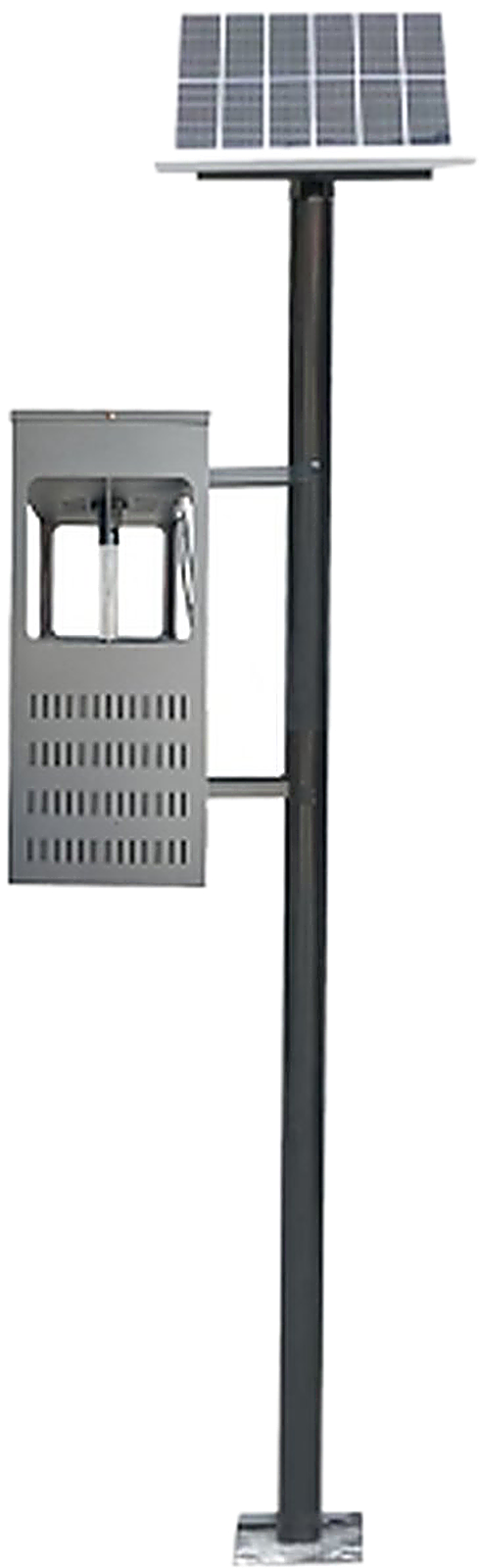
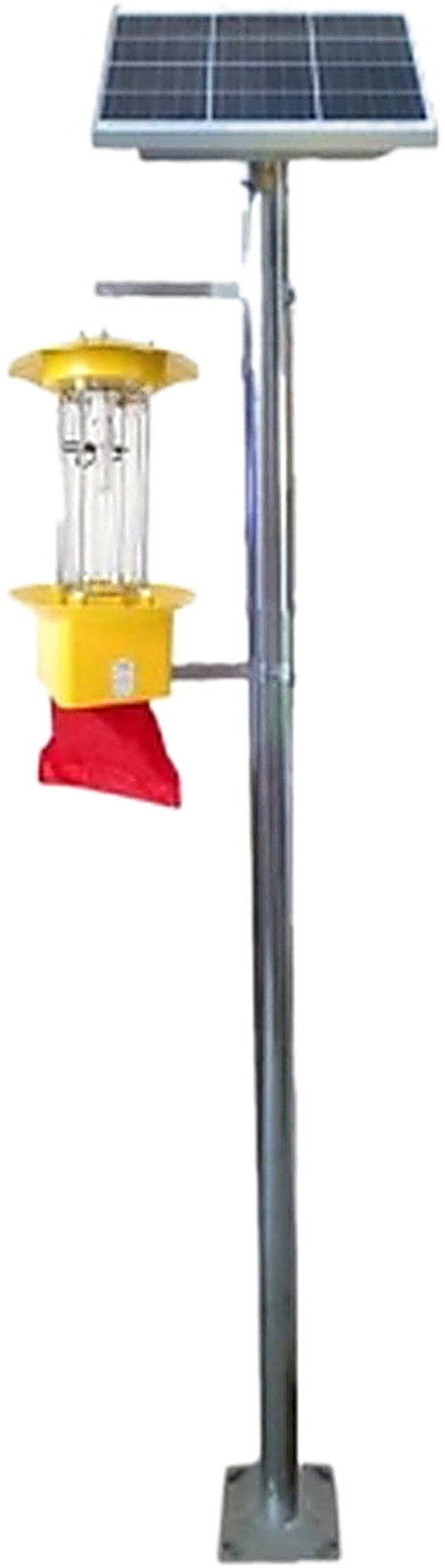
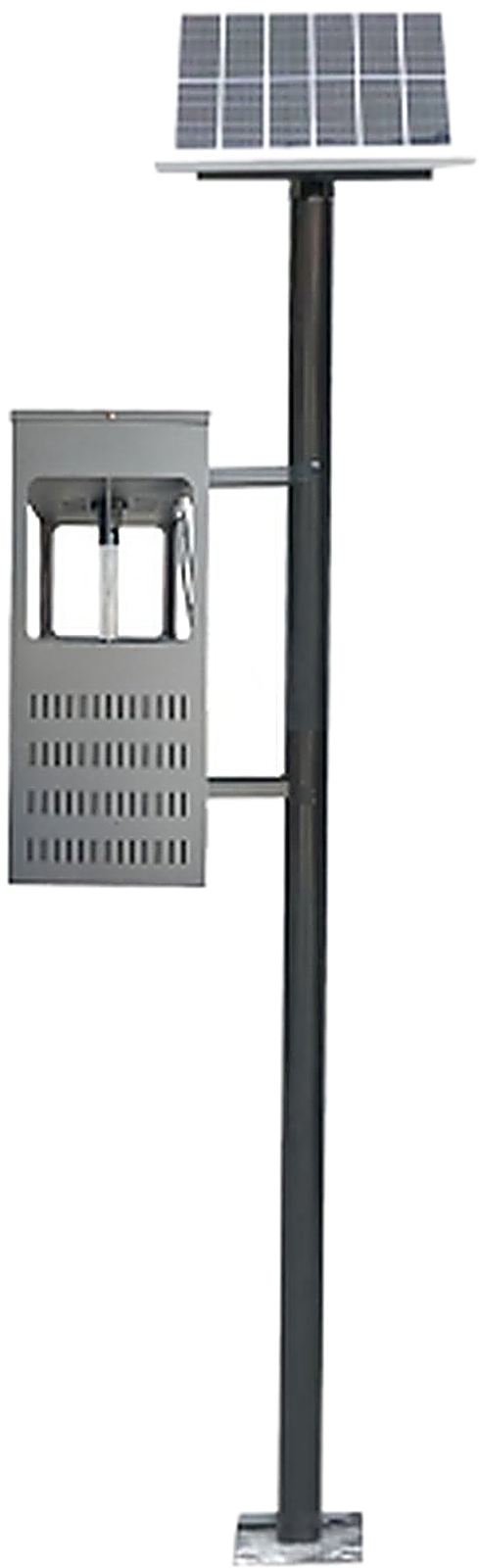
A wind-suction solar insect killer runs off-grid and captures flying chafers through the night without mains wiring. Place units along upwind boundaries and near the grassy headlands identified in the scouting map. Empty the chamber weekly and log beetle counts by date. This solar insect killer supports farm pest management by cutting adult numbers and giving an early warning of flight intensity.
Weigh damaged roots or missing plants at harvest and compare them with the original hot-spot map. If damage lines up with the map, the white grub control plan needs stronger action in those zones next season. If damage stays low, the same program can be maintained with lighter intervention.
Mount traps above the crop canopy on isolated poles, clear of shading trees and buildings. On large blocks, position units so each part of the field is within a practical walking distance of a trap. Move units toward positions that consistently record high nightly counts. A solar bug zapper in deep shade loses charging capacity and stops before the flight ends.
A sudden rise in beetle captures signals egg laying within days. Use that signal to intensify soil scouting and prepare biological treatments, rather than spraying on a fixed date. Falling counts after the suppression phase confirm that adult pressure is dropping.
Run traps from the first spring flight through the late-summer activity window. Keep one record book for the whole season and compare it with harvest damage. Over two or three seasons it becomes a local flight calendar that improves every seasonal control decision.

Use this guide alongside the references below to build a complete, defensible programme.
For deeper technical and regulatory context, see the FAO Integrated Pest Management and the EPA safe pest control.
Can a solar bug zapper eliminate white grub on its own? No. It reduces the adult beetle population and provides a flight signal, but soil scouting, rotation and biological tools remain necessary for reliable control.
When should I scout soil for white grub larvae? Sample before planting and again in autumn when soil is moist and larvae are near the surface. Keep the same grid so counts stay comparable.
Are solar traps safe for beneficial insects? Wind-suction units with correctly sized intake and guard meshes catch far fewer large beneficial insects than open electric grids. Check local guidance before deployment.
Does white grub control fit an organic program? Yes. Rotation, cultivation, biologicals and solar trapping are compatible with most organic systems. Verify every input against the certification rules you follow.
How often should the collection chamber be emptied? Weekly during the flight season and after heavy rain. A full chamber weakens airflow and reduces capture efficiency.