
When buyers compare agricultural pest control options, they often hear about three area-wide tactics: the solar insect killer (a light trap), mating disruption (pheromone flooding), and the sterile insect technique (SIT). They sound similar but work very differently. This guide explains how each works, where it fits, and how a solar bug zapper compares so you can choose the right layer for your farm pest management program.
Mating disruption releases synthetic pheromone continuously across a field so males cannot find females. The pest stops reproducing because mating fails. It targets one species at a time and needs near-total field coverage to work.
It is excellent for high-value orchards with a single key pest — codling moth in apples, grape berry moth in vineyards, peach twig borer in stone fruit. Because it uses no toxin, it fits residue-free and organic programs and protects beneficial insects at the same time.
It is species-specific, expensive per hectare, and useless against a mixed pest complex. A farm with corn borer, plus moths, plus beetles gets little benefit from one pheromone blend, and a partial coverage gap lets the pest rebound.
SIT mass-rears pests, sterilizes them with radiation, and releases huge numbers so sterile males out-compete wild males. Wild females lay infertile eggs, and the population collapses over generations. It is a classic area-wide program built for regional suppression.
SIT can suppress or eradicate a single pest across an entire region — Mediterranean fruit fly programs in fruit-export zones are the textbook case. It leaves no residue at all and needs no on-farm labor once the releases are scheduled.
SIT demands a rearing facility, cold-chain logistics, government coordination and years of funding. For an individual farm or distributor, it is almost never a standalone purchase and carries real execution risk if releases lapse.
A solar insect killer attracts and removes adult insects with light and wind suction. Unlike mating disruption, it is not species-specific: one trap pulls moths, beetles and flies across the pest complex. It runs off-grid, needs no pheromone refills, and pays back in a single season.
The pheromone method is precise and residue-free but narrow and recurring-cost heavy. The solar bug zapper is broad, low-maintenance and cheaper to deploy, but it suppresses rather than eliminates a single species. Most farms get more coverage per dollar from traps, then add it for a flagship pest.
SIT aims to erase a pest region-wide; a solar insect killer simply reduces the local adult population nightly. They are not competitors. SIT programs often use light traps as monitoring tools, and farms inside an SIT zone still run traps to protect their own crop between releases.
SIT is powerful but infrastructural and public. A solar insect killer is a private, portable, buy-it-today asset. For a distributor or importer, traps are the sellable, repeatable product; SIT is a government project you might supply into, not resell.
Smart agricultural pest control stacks layers:
This layered approach gives resilience: if pheromone supply slips or an SIT program pauses, your traps still cut pressure every night.
Pheromone dispensers cost tens of euros per hectare per season. SIT costs are dominated by facilities and logistics, borne at program scale. A solar insect killer is a one-time capital buy of a few hundred dollars per unit, covering 1–2 hectares for years. For most B2B buyers, traps are the only tactic that fits a normal procurement budget.
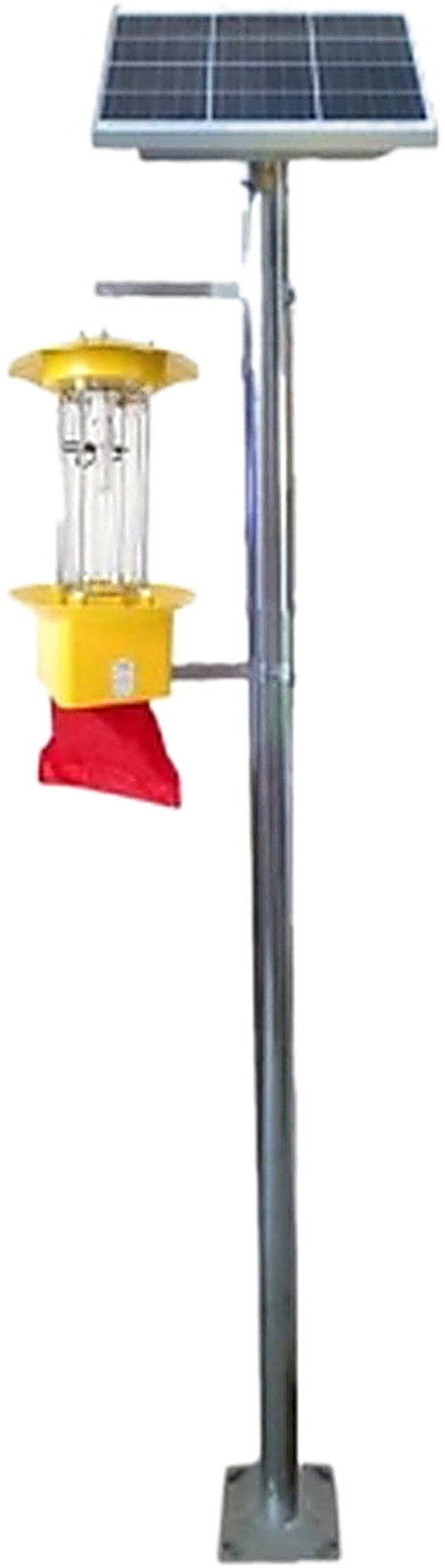


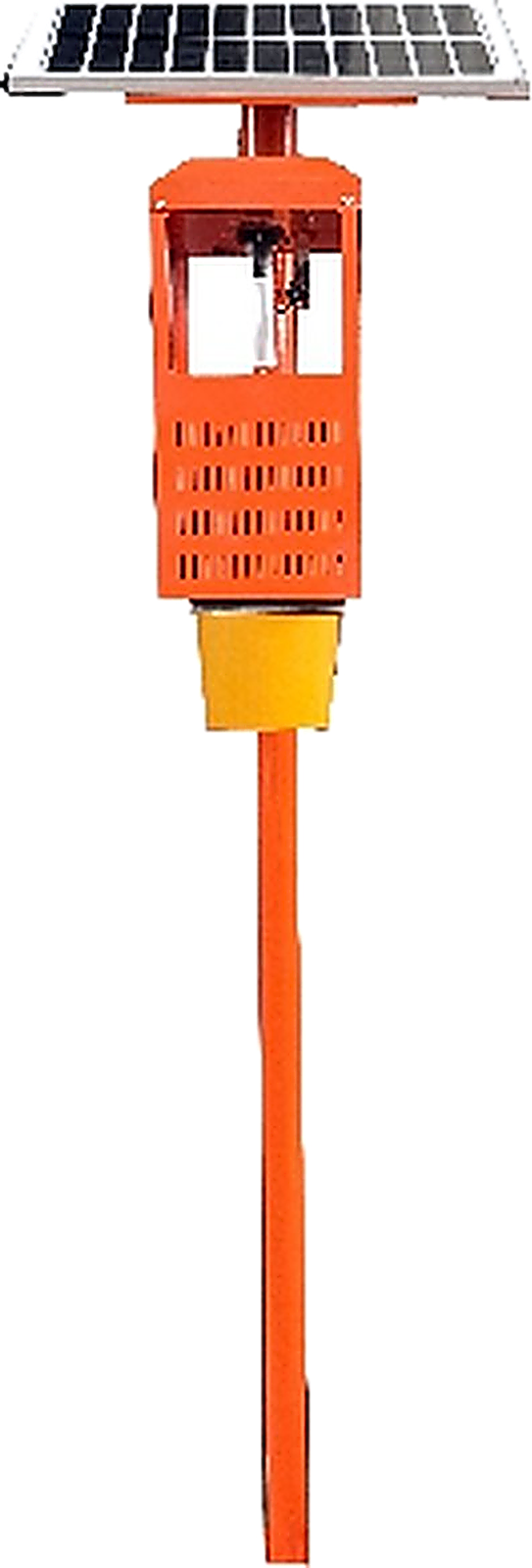
Use this guide alongside the references below to build a complete, defensible program.
For deeper technical and regulatory context, see the FAO Integrated Pest Management and the EPA safe pest control.
Can a solar insect killer replace mating disruption? Not fully for a single flagship pest, but it covers the rest of the complex that pheromones ignore.
Is SIT better than traps? For regional suppression of one species, yes; for everyday farm protection, traps are more practical and affordable.
Which tactic needs the least expertise? The solar bug zapper — install, charge and forget. The other two need species knowledge and program management.
Do these tactics work together? Absolutely. Traps are the compatible baseline under both programs and pair naturally with each.
These two area-wide tools are powerful, specialized and complementary. The solar insect killer is the broad, off-grid, buy-today layer that fits any farm pest management budget. For B2B buyers, traps are the versatile foundation; add the others where crop value and programs justify them.