
Tropical monsoon regions — from South and Southeast Asia to West Africa and northern South America — grow some of the world’s most important rice, vegetable, and plantation crops. They also deliver the harshest conditions for any outdoor electronic device: months of heavy rain, near-saturated humidity, intense heat, and dust from dry interludes. A solar insect killer can thrive in this climate, but only if it is specified and deployed correctly. This guide gives seven practical tips for reliable tropical monsoon deployment.
Most failures in these climates come from treating a trap like indoor equipment; the difference between a unit that lasts one season and one that lasts five is almost entirely in the deployment details.
The core challenge is not the rain itself but the combination of water, heat, and biological growth. High humidity accelerates corrosion, panel soiling cuts charging, and standing moisture invites mold and terminal rust. A successful tropical monsoon deployment starts with hardware rated for the environment and an installation plan that keeps electronics dry and panels clean.
For agricultural pest control in these regions, a solar bug zapper must run through the wet season when pest flights are often at their peak. Rice planthoppers, vegetable leafminers, and plantation borers all thrive in warm, wet conditions, so downtime during monsoons is exactly when you can least afford it.
Choose units with an IP65 or IP66 enclosure so driving rain and dust cannot reach the controller or battery. For farm pest management in coastal monsoon zones, corrosion-resistant fittings matter as much as the seal. Verify the rating rather than assuming, because the wet season will test it daily.
Position poles above seasonal flooding and clear of splash-back from saturated soil. A tropical monsoon deployment that ignores ground water will see terminals corrode and panels buried in mud. Raise the collection chamber and controller well above the highest expected water line.
Heavy rains actually help wash panels, but only if they are tilted correctly. A steep angle lets water sheet off dust and bird droppings instead of pooling. Clean panels charge fully through intermittent monsoon sun, keeping the solar insect killer running through cloudy weeks.
High ambient temperatures shorten battery life and humidity invites terminal corrosion. Use a sealed, temperature-tolerant lithium battery and a charge controller with over-temperature protection. Good tropical monsoon deployment pairs a quality battery with ventilation that excludes direct rain.
Galvanized or stainless steel hardware resists the salt and moisture of coastal monsoons. Standard mild steel brackets rust through in a single season. Spend a little more on the mounting system so your solar bug zapper stays secure through storms.
Plan inspection visits between heavy-rain bursts to clear debris from the fan intake and check seals. A short dry spell is the right moment to confirm the unit still charges and captures. Proactive maintenance keeps agricultural pest control continuous rather than reactive.
In dense plantation or rice systems, stagger units so that even if one is temporarily shaded by cloud, neighbors maintain coverage. A resilient tropical monsoon deployment is a network, not a single point of failure, so spread devices across the block and along water edges where moths congregate.
A solar insect killer is only as good as its uptime. In monsoon climates, the growers who win are those who specify weather-rated hardware, mount it above water and splash, and maintain it through the wet season. The payoff is continuous, chemical-free capture of the flying adults that drive rice, vegetable, and plantation losses — exactly when pressure peaks. Growers who invest in correct siting and maintenance typically recover the device cost within a single wet season through saved spray and labor.
For related guidance, see our climate deployment overview and the solar panel and charge controller guide.

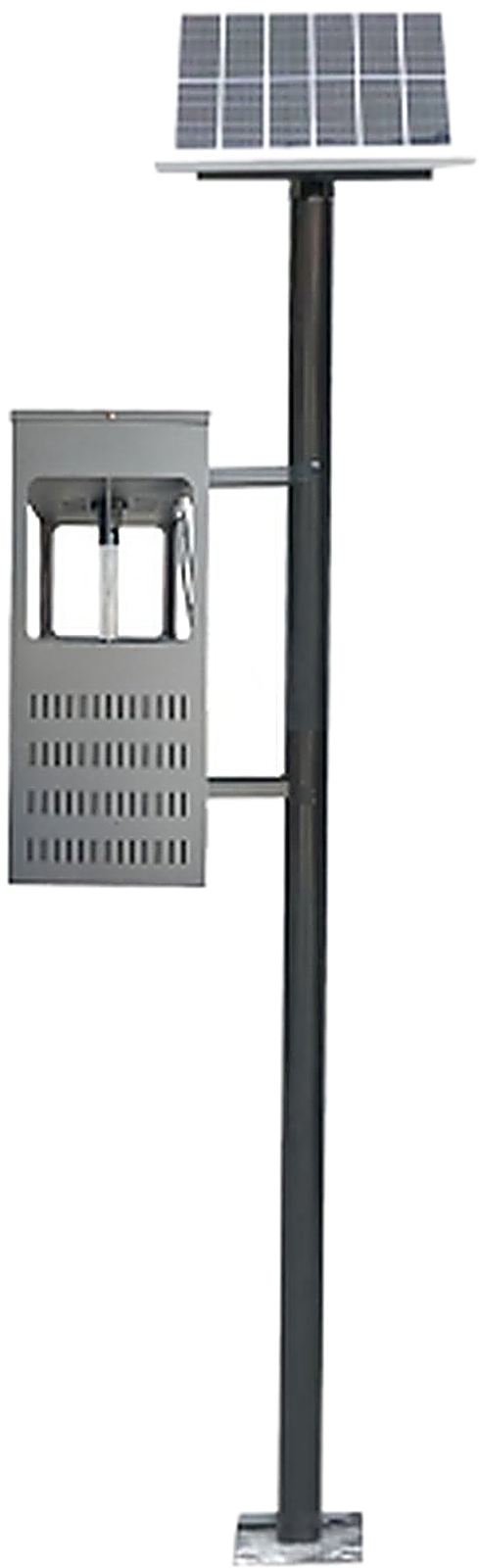
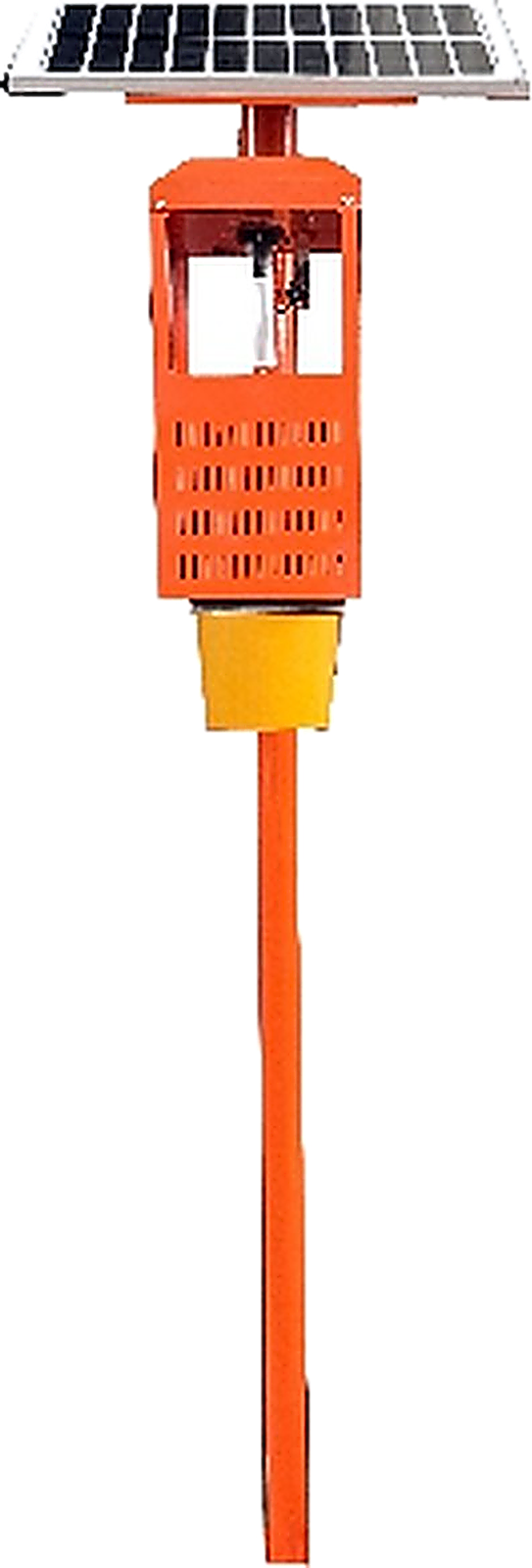
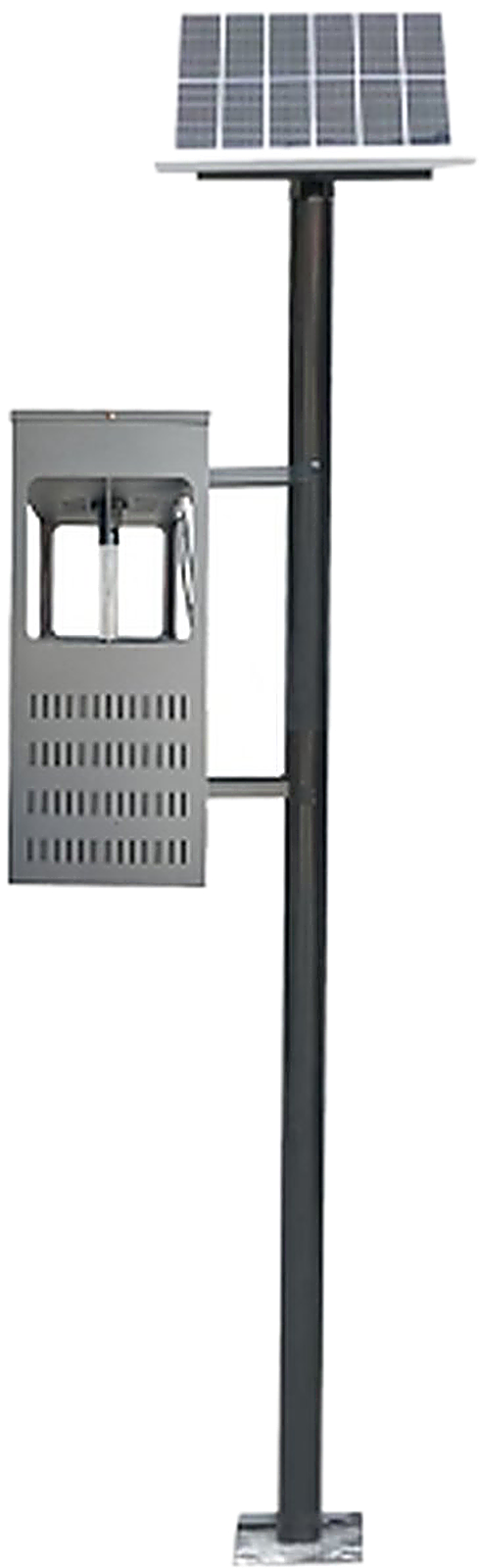
Use this guide alongside the references below to build a complete, defensible programme.
For deeper technical and regulatory context, see the FAO Integrated Pest Management and the EPA safe pest control.
Yes, if it carries an IP65 or IP66 rating and is mounted above splash and flood lines. The enclosure and seals are designed for exactly this driving-rain environment.
No. Humidity does not block UV attraction or wind-suction capture. The main humidity risk is corrosion, which correct tropical monsoon deployment prevents with sealed electronics and rust-resistant hardware.
Yes. Modern panels and lithium batteries store enough to run through several cloudy days, and tilted panels self-clean in heavy rain to keep charging efficient.
Absolutely. A solar bug zapper is off-grid and tool-free to install, making it ideal for remote rice paddies and plantations across tropical monsoon regions where pests peak in the wet season.