
A solar insect killer is most powerful when it is part of a plan rather than a lone device in a field. Two of the oldest, cheapest and most effective tactics in integrated pest management are trap cropping and border rows. Pair them with attraction traps and you get a layered defense that lowers damage while cutting chemical use.
Trap cropping means planting a species or variety that pests prefer more than your main crop, then concentrating control where the pests gather. Instead of defending every plant, you lure insects to a sacrificial row and manage them there. When that row sits near a solar insect killer, the trap crop becomes a predictable feeding and mating site that the lamp can harvest night after night.
Border rows are strips of a different plant placed around the edge of a field. They act as a first line of defense, intercepting migrating adults before they reach the cash crop. A flowering border can also support beneficial insects. Combined with a solar bug zapper positioned along the perimeter, border rows turn the field edge into a capture zone for farm pest management.
Pests rarely arrive uniformly. They flow in from field margins, adjacent crops or fallow land. Trap cropping pulls them toward known hot spots; border rows slow their advance; and a solar insect killer removes the adults that congregate there. This is agricultural pest control by design, not by blanket spraying.
Select a plant that emerges earlier or smells stronger than your main crop. Mustard, nasturtium, cowpea or a fast leafy green often work as a trap cropping species for aphids, flea beetles or leaf miners depending on your region.
Put the trap strip within the attraction radius of your solar bug zapper. The point is to convert pest aggregation into nightly capture, so distance matters. A good rule is one lamp per trap strip for small plots, scaled up for larger fields.
Check trap rows weekly. If pest numbers build faster than the solar insect killer can remove them, rotate or mow the trap crop to reset the pressure. Trap cropping is a living system, not a one-time install.
A mixed border of flowering plants feeds parasitic wasps, lacewings and predatory beetles. These natural enemies handle pests the lamp cannot reach, rounding out your farm pest management strategy.
Dense border vegetation also filters pesticide drift from neighbors and buffers wind, protecting both crops and the effectiveness of a solar bug zapper positioned along the edge.
This sequence is the backbone of durable agricultural pest control on vegetables, orchards and field crops alike.
Trap cropping shines in brassicas, cucurbits, solanaceae and legumes, where a preferred host can be slotted between beds. Orchards use border rows of alternate bloom to stretch beneficial insect activity across the season. Field crops use perimeter strips to intercept migratory moths. In every case, a solar bug zapper amplifies the capture.
Even a sound idea fails with poor execution. The first mistake is placing the trap cropping strip too far from the solar insect killer, so pests gather but are never captured. Keep the lamp within its true attraction radius. The second is forgetting to manage the trap row itself; if it becomes a permanent pest nursery, you simply breed the problem. Mow, rotate or treat it on schedule. The third is skipping border-row flowers, which removes the beneficial insects that finish the job a lamp cannot reach. Finally, never assume trap cropping alone replaces scouting.
Pair it with weekly counts so your farm pest management stays evidence-based rather than hopeful.


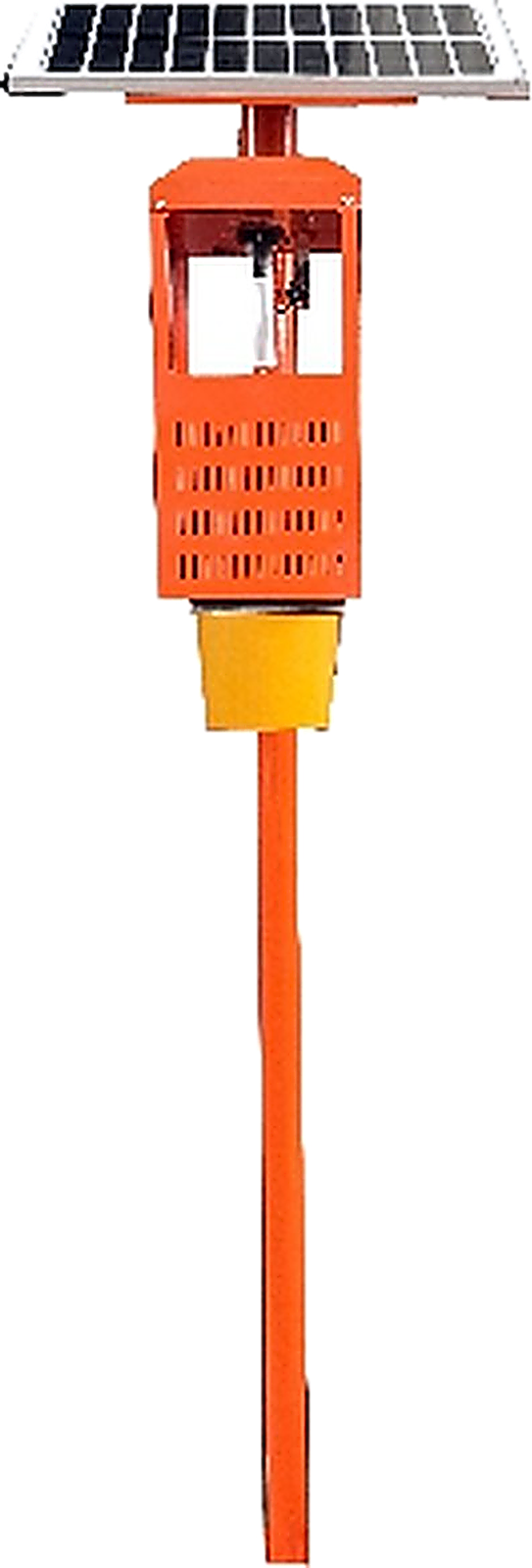
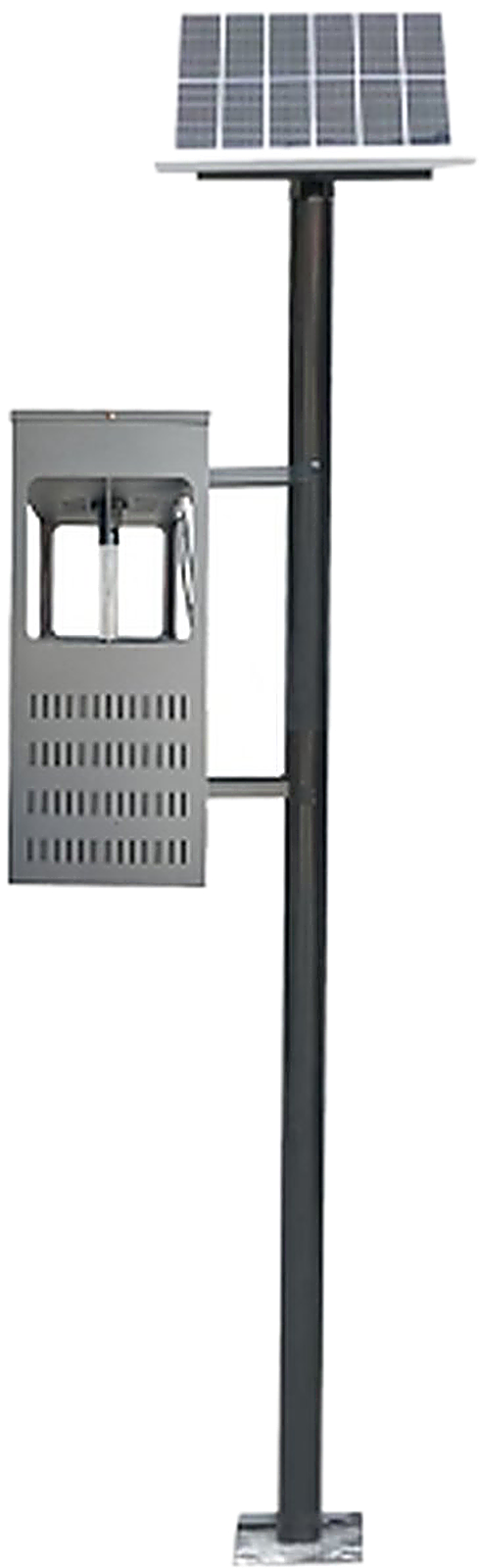
Use this guide alongside the references below to build a complete, defensible program.
For deeper technical and regulatory context, see the FAO Integrated Pest Management and the EPA safe pest control.
Is trap cropping expensive? Usually not. The trap species is often a cheap, fast-growing plant, and the savings come from fewer sprays and less main-crop damage.
Where should I put the solar insect killer? At the trap strip and along border rows, where pests concentrate. That placement turns trap cropping into measurable nightly capture.
Do border rows attract pests too? They can, which is the point — they intercept them at the edge. Pair the border with a solar bug zapper so the intercepted adults are removed.
Can this replace pesticides completely? Often it reduces them sharply, but a full farm pest management plan may still use targeted sprays as a last resort when thresholds are exceeded.
How long before I see results? Pest pressure usually drops within a few weeks as adult populations are captured nightly and egg-laying on the main crop falls.