
Stink bug damage is easy to mistake for disease. A fruit that looked sound yesterday shows a sunken, corky spot today; a peach carries a hard lump under the skin. The cause is a shield-shaped bug that pierces fruit and feeds, injecting enzymes that scar the surface. For orchard and vegetable growers, managing this shield pest is a recurring seasonal task, and it is exactly the kind of flying, dusk-active pest that a solar insect killer is designed to intercept.
Stink bugs, also called shield bugs, belong to the family Pentatomidae. Adults and nymphs pierce fruits, pods, and seeds with sucking mouthparts. Unlike chewing caterpillars, they feed inside the crop, so damage often appears only at harvest. A single bug can mark several fruits in a day, and late-season feeding is what downgrades export-grade produce.
The brown marmorated shield bug and native species are both strong fliers. They move from weed hosts and neighboring fields into orchards as fruit ripens, which makes perimeter defense the core of any control plan. Agricultural pest control that only sprays the crop center misses the insects arriving from the edges.
A solar insect killer works with the pest’s own behavior. Adults are drawn to light in the warm hours after sunset, when they disperse between host plants. A UV-rich lamp pulls them in, and a suction fan or grid removes them from the air. Because the trap runs on stored solar charge and switches on at dusk automatically, it covers the exact flight window when adult movement peaks, without labor or fuel.
That timing is the main advantage over calendar spraying. Broad-spectrum insecticide aimed at a pest that flies in at dusk and feeds deep in fruit often misses the target, while a solar bug zapper is active every night of the flight season. For farms already using farm pest management thresholds, the trap adds a passive suppression layer plus a daily catch count you can scout against.
Where you mount the unit matters more than raw lamp power. The bugs enter from wooded margins, hedgerows, and weedy headlands. Position the solar insect killer:
A common mistake is hanging the trap too high above the crop. Their flights are often low and edge-hugging, so a unit set near canopy level usually outperforms one raised on a tall pole. Catch data from stone-fruit and apple orchards shows the strongest stink bug control when traps sit at tree height and run nightly through the ripening window.
Pest pressure rises as fruit sweetens and again before harvest. Start running the solar insect killer before the first catches appear, not after damage is visible. In temperate orchards the key window runs from mid-summer through harvest; in warm regions there may be a spring generation on early vegetables followed by a late-season surge.
Scout alongside the trap. Look for corky feeding spots, hard spots under fruit skin, and clusters of shield-shaped bugs on the sunny side of trees in the afternoon. Combine field scouting with nightly trap counts to decide whether any supplemental action is needed. Farm pest management works best when the trap supplies the trend data and the grower makes the call.
A solar insect killer is one layer, not the whole program. A sound stink bug control plan stacks several tactics:
1. Cultural: remove weed hosts and weed-host trees near the orchard that shelter bug populations. 2. Biological: conserve egg parasitoids and predatory insects that attack their eggs and nymphs. 3. Physical: use the solar bug zapper nightly to cut adult numbers before egg laying. 4. Targeted: reserve any spray for confirmed hotspots, then choose a product that spares beneficials. 5. Monitoring: record trap catches weekly to track the flight curve year over year.
This layered approach keeps residue low and slows resistance. It also fits certification schemes that restrict synthetic inputs, because the trap is a physical control with no chemical residue on fruit.
Buyers in the EU, North America, and East Asia reject fruit with feeding scars. For exporters, stink bug control that leans on a solar insect killer protects both appearance and residue compliance. The trap is a documented physical intervention, easy to show in an audit, and it reduces the spray events that create MRL risk.
Growers shipping apples, peaches, and pods report cleaner packs when border trapping runs all season rather than only at harvest. Fewer scarred fruits mean a higher packout rate and a better price at the packing house, which is where stink bug control pays for itself.
One solar insect killer covers a defined border zone for several seasons with no fuel bill. Against the loss from downgraded export fruit, the unit typically pays back within one to two seasons on high-value crops. In a farm pest management budget, the math is straightforward: protect the crop at the edge, and you avoid both culled fruit and emergency sprays.
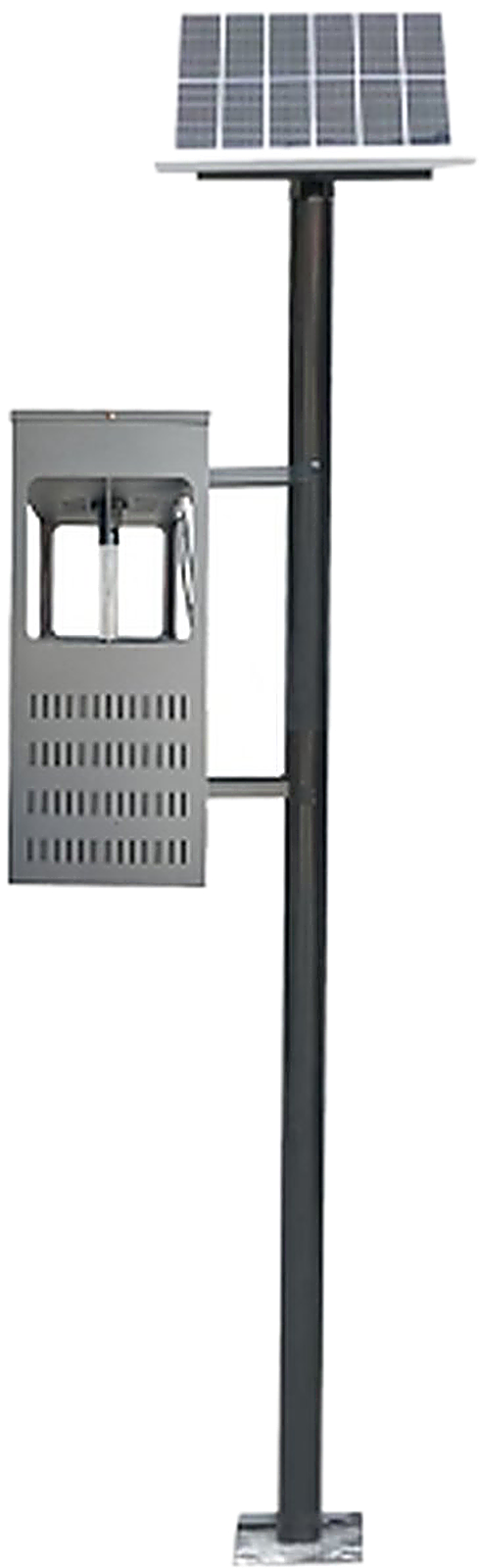



Use this guide alongside the references below to build a complete, defensible programme.
For deeper technical and regulatory context, see the FAO Integrated Pest Management and the EPA safe pest control.
It mainly catches flying adults. Young nymphs stay on host plants and are better managed by beneficial insects and weed-host cleanup.
Run it from the first warm dusk flights through harvest. Early, continuous operation removes adults before the main egg-laying surge.
Coverage depends on block size and model rating. Start with border and corner units, then add traps until light zones overlap along the perimeter.
For light pressure, often yes. In heavy years, pair the solar bug zapper with weed-host removal and targeted treatment only where scouting confirms hotspots.
Stink bug control rewards growers who defend the border. A solar insect killer turns the bug’s dusk flight into the weakness you exploit, protecting fruit with light instead of repeated sprays. For orchard and vegetable farms practicing farm pest management, it is one of the highest-leverage tools you can place at the field edge.