
Stem borers can hollow out a rice stem or a maize stalk from the inside, and the damage often stays hidden until a tiller lodges or an ear fails to fill. By the time that happens, the yield is already gone. Effective stem borer control starts with catching the moth flight at night, reading the field for early signs, and combining light traps with cultural and biological tools instead of reaching for one more spray.
This pest is difficult because most of the damage happens out of sight. A female moth lays eggs on leaves, the larvae hatch and bore into the stem, and from that point a contact spray can barely reach them. Farmers who scout only for visible holes are already a generation behind.
The second problem is timing. Adult moths fly at night, often in distinct peaks that last a few hours. A stem borer control program built on a calendar misses those peaks. A program built on nightly trap counts catches them. This is where a solar insect killer becomes useful: it samples moth activity every single night without labor, turning an invisible flight into a readable data stream.
A third issue is reinfestation. Moths move in from neighboring fields as nearby crops are cut or harvested. Treating only your own plot without watching the surrounding landscape often leaves the field repopulated within days.
Different species need slightly different tactics, so start with correct identification.
Eggs are laid in clusters on the underside of leaves. Small larvae feed briefly on leaf tissue before tunneling into the stem. Inside, they hollow out the stem and cut off the flow of nutrients. Pupation happens within the tunnel, and the adult moth emerges to mate and lay the next generation. Only the adult stage is reliably caught by light.
Look for “dead heart” in young rice, where the central tiller dries and can be pulled out easily. In maize and sorghum, check for oblong holes in the stalk and fine frass at the base. “White head” or empty panicles appear later, when the stem has been ringed and the grain cannot fill. Recording these signs alongside trap counts builds a reliable local picture.
Walk a W pattern through the field and inspect at least five points. Count egg masses, dead hearts, and fresh bore holes separately, because the same total has very different meaning at tillering and at grain filling. Record crop stage, variety, and weather with every count.
Most extension services publish local thresholds. Use those as a starting point, then adjust with your own field history. Trap captures are a second data stream: a rising three-night trend in moth catches is an early warning that egg laying is about to increase, often before damage is visible. Farm pest management works best when threshold scouting and trap data are read together rather than separately.
No single tool carries the season. The strongest programs layer several tactics so that each one covers the weakness of another.
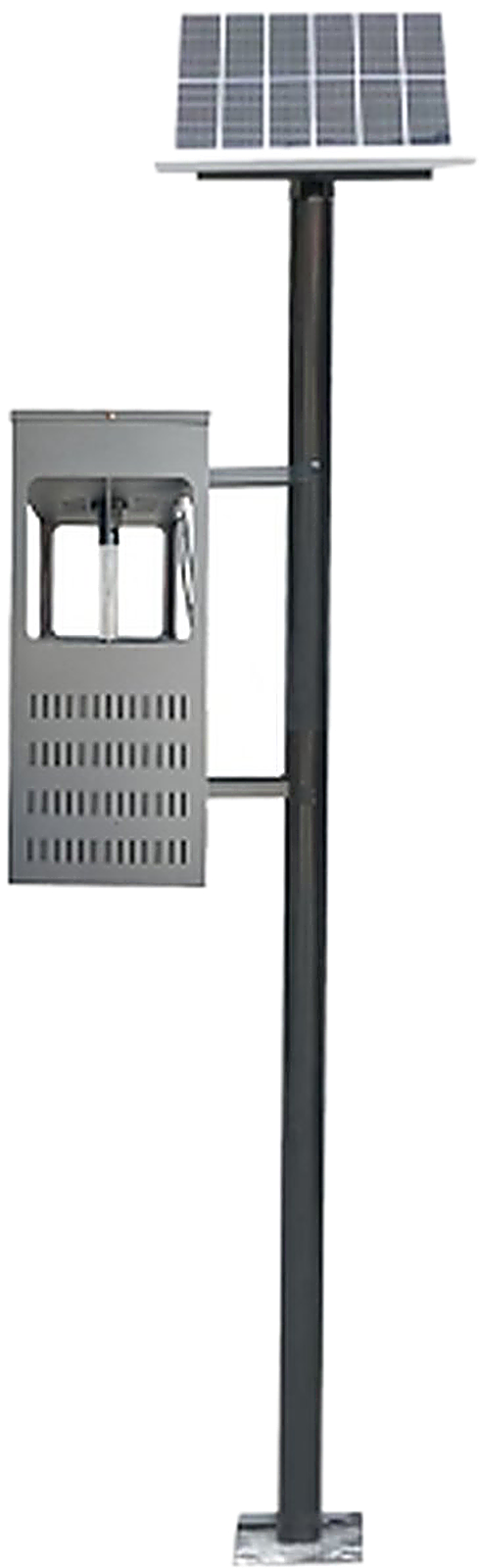
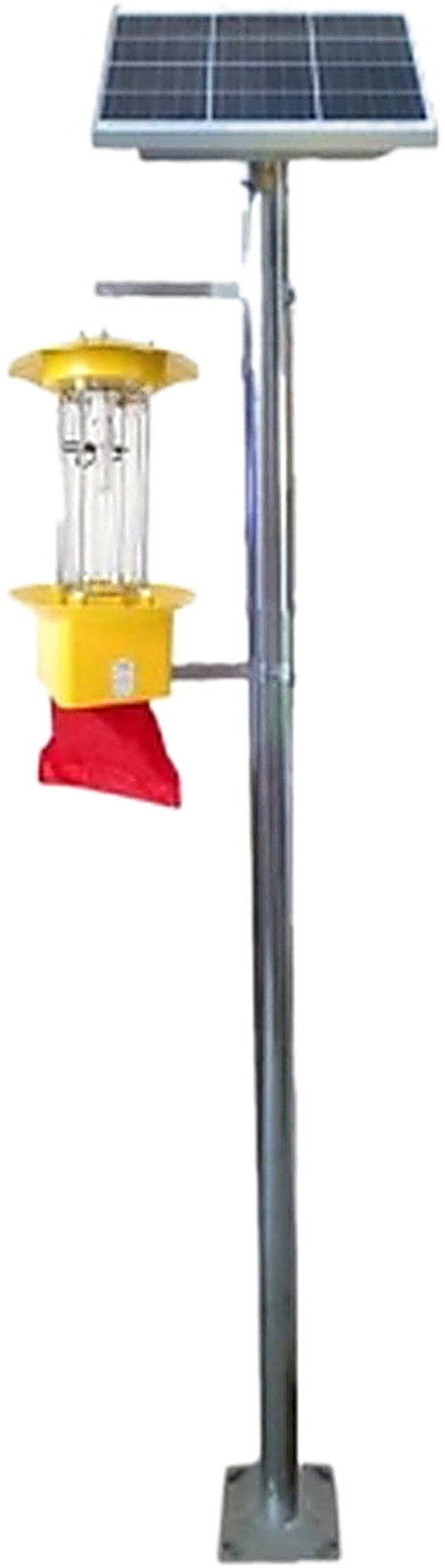
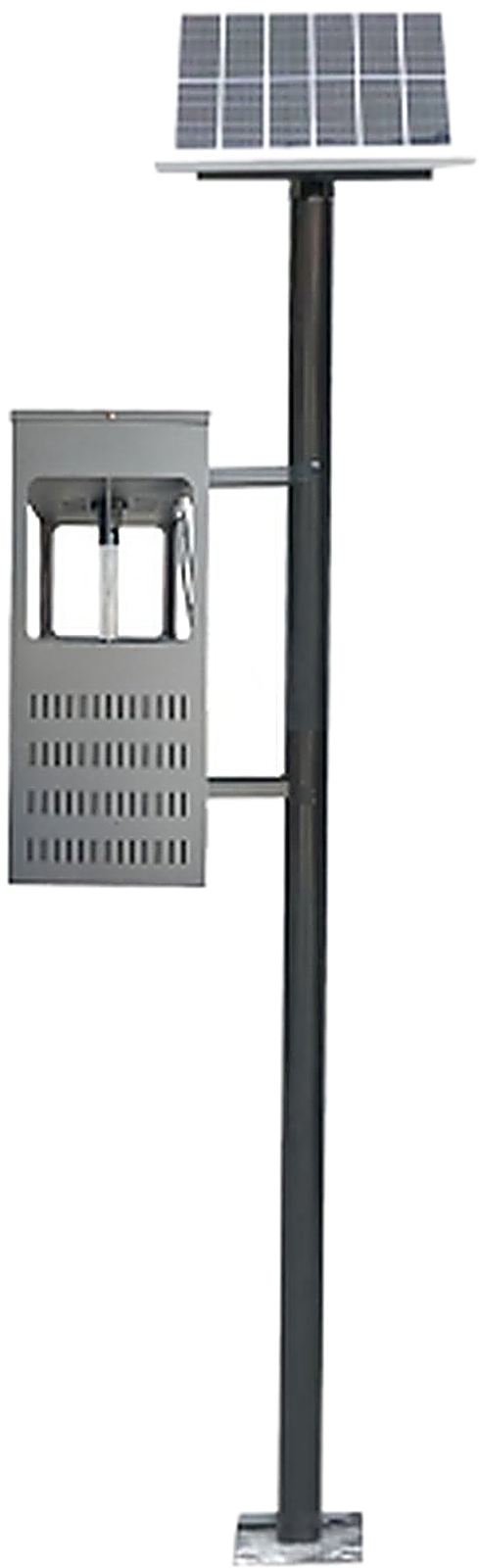
Place one light trap per two to three hectares at field edges and near waterways where moths concentrate. An efficient solar bug zapper or wind-suction trap samples the flight without electricity or daily labor. Check the collection chamber each morning and plot the number of moths. A sudden jump after a warm, calm night is the signal to intensify scouting the next day. Over a season, the trap also lowers the local moth population when used in mass-trapping layouts.
Resistant varieties, synchronized planting, and clean field borders reduce the insects that survive from one crop to the next. Destroying infested stalks after harvest cuts the overwintering population. Where available, release egg parasitoids such as Trichogramma and conserve spiders and ground beetles by avoiding broad-spectrum sprays in the first weeks. These biological tools fit naturally with agricultural pest control programs that aim to reduce chemical use.
The best moment to act is at the adult flight peak and just before eggs hatch, not after larvae are deep inside the stem. If a trap spike is followed by fresh egg masses two or three nights later, that is the window for a targeted, selective treatment. Late applications that chase bore holes rarely pay for themselves.
Keep records of every decision: trap counts, scouting scores, product used, and the yield result at harvest. Over two or three seasons those records show which tactics actually move the needle on your farm, and they make the next season’s plan far more precise.

Use this guide alongside the references below to build a complete, defensible programme.
For deeper technical and regulatory context, see the FAO Integrated Pest Management and the EPA safe pest control.
Can a light trap alone control stem borers? No. A trap reduces adult numbers and gives excellent early warning, but it works best combined with scouting, resistant varieties, and biological control.
When should I switch on the trap? Dusk to dawn, every night from the first expected flight through harvest. Solar-powered units make continuous operation practical in remote fields.
How many traps do I need? A common starting point is one trap per two to three hectares, placed at edges and flight corridors. Adjust using your own catch data.
Are solar traps safe for beneficial insects? Modern wind-suction designs with selective wavelengths capture far fewer beneficial insects than broad UV grid zappers, which is why they are preferred in IPM programs.
Does tillage help? Yes. Incorporating or removing infested stalks after harvest reduces the number of larvae that survive to the next season.