
A solar insect killer that only kills is useful; one that also reports is transformative. Modern units pair the trap with a low-power radio that uploads nightly catch counts, battery state and fault alerts to a dashboard. But farms are where coverage is worst — remote fields, deep valleys, far from towers. Choosing the right link is the difference between a dashboard that works and one that goes dark. This guide compares LoRaWAN, 5G and satellite for remote connectivity on off-grid trap networks.
The decision is not purely technical. It also shapes recurring cost, how much power the trap must reserve, and whether your pest data stays on a server you control. Treat remote connectivity as a farm pest management investment with three pillars: coverage where you actually farm, low enough power draw to survive cloudy weeks, and a data path you can trust during peak pest season.
The whole point of networked traps is turning catch data into decisions. With remote connectivity, a grower sees a spike in noctuid moths on a specific block before damage appears, and dispatches spraying only there. Without it, someone walks every field weekly to read trays — slower, patchier, and easy to skip.
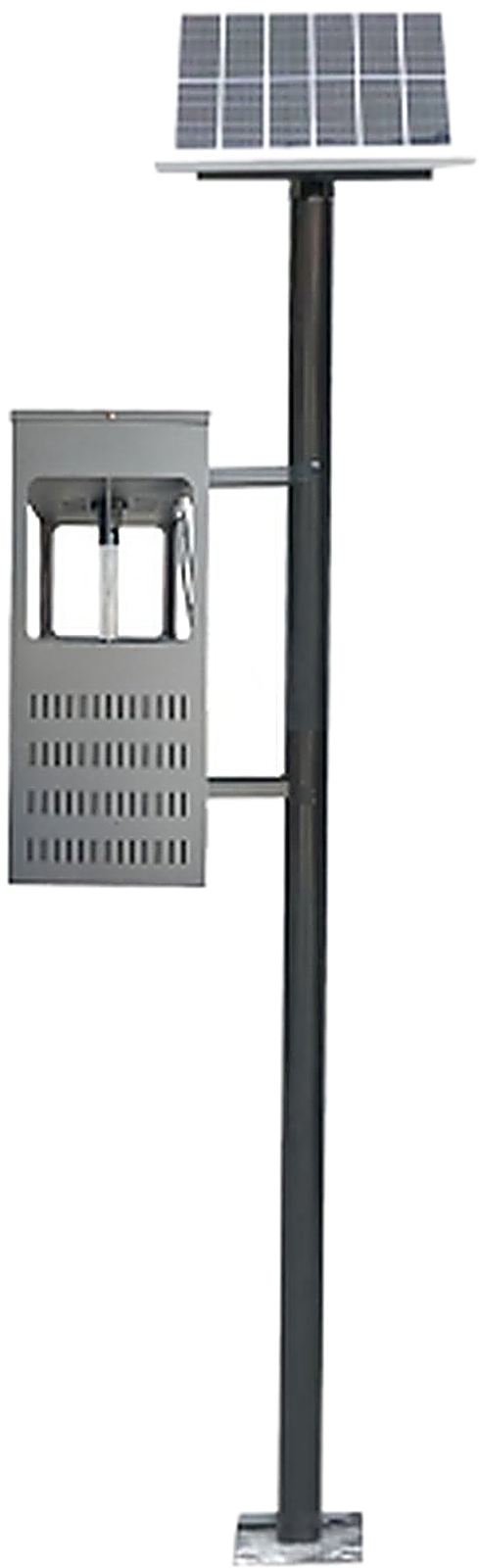
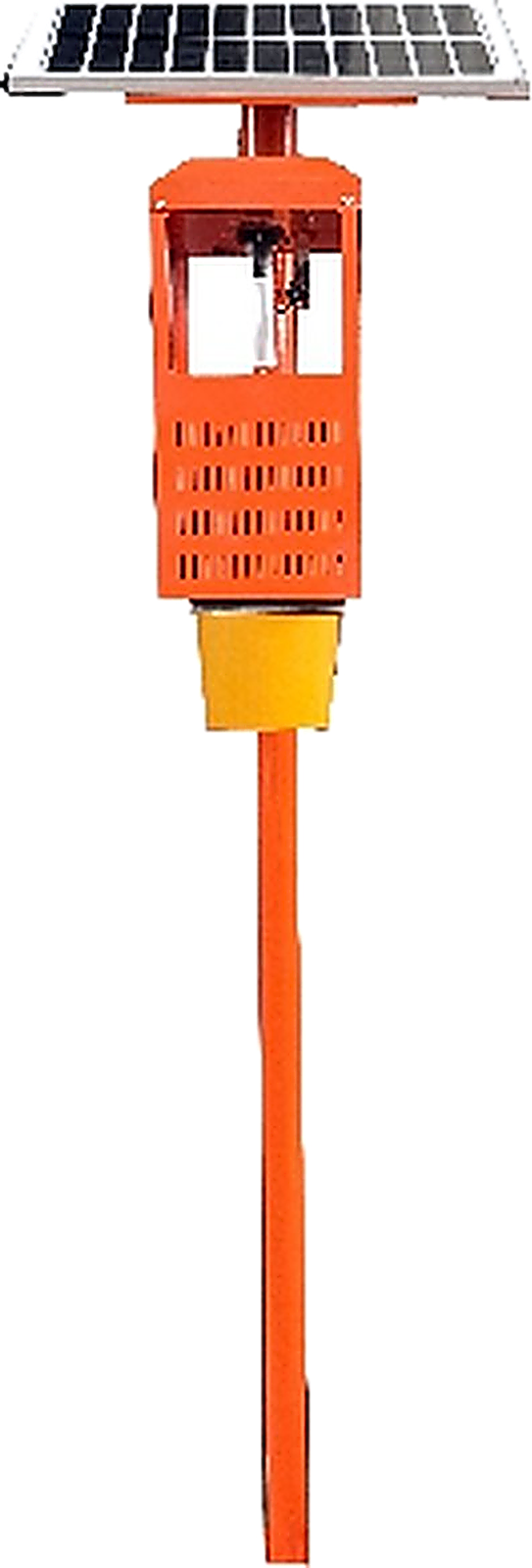
A solar insect killer already carries a panel, battery and controller, so adding a radio is cheap in power terms. The harder question is the radio path itself.
LoRaWAN is a long-range, low-bandwidth protocol ideal for trap telemetry. A single gateway can cover several square kilometres of flat farmland, and each trap’s node draws milliwatts.
For dense, owned farmland, LoRaWAN is often the best remote connectivity choice for agricultural pest control.
Cellular modules (LTE-M, NB-IoT, 5G) use existing towers, so there is no gateway to install. Where coverage exists, setup is trivial: insert a SIM, point at the server.
Cellular remote connectivity suits traps near roads, orchards on valley floors, or operations that want camera-based pest ID.
When there is no tower for hundreds of kilometres — arid stations, island farms, high-altitude plots — satellite IoT modules (e.g. L-band) close the gap. They are slower and pricier per message, but they never lose the sky.
Satellite is the backstop: a few units on the farthest blocks, reporting daily so the solar bug zapper network still feeds the dashboard everywhere.
| Link | Best for | Power | Recurring cost |
|---|---|---|---|
| LoRaWAN | Owned, dense farmland | Very low | Low (own gateway) |
| 5G / Cellular | Near towers, camera ID | Medium | SIM fees |
| Satellite | Remote, no coverage | Low–medium | Per-message |
Most farms blend them: LoRaWAN across the core, cellular on accessible blocks, satellite on the outliers. The goal is complete farm pest management coverage, not a single technology.
Mount the antenna clear of the metal pole and canopy, size the solar insect killer battery with the radio’s duty cycle in mind, and set a sensible upload cadence — nightly is plenty for counts. Build the dashboard to flag silent nodes so a dead link is caught, not assumed.

Use this guide alongside the references below to build a complete, defensible program.
For deeper technical and regulatory context, see the FAO Integrated Pest Management and the EPA safe pest control.
Do I need internet at the field for remote connectivity?
Not directly. LoRaWAN and satellite reach the cloud without local Wi-Fi; only cellular needs tower coverage.
Will the radio drain the trap battery?
Minimal. Telemetry radios are milliwatt-class and the solar insect killer’s panel tops the battery daily; size the battery for the radio’s duty cycle.
Can I mix LoRaWAN and cellular on one farm?
Yes. Blended networks are common — LoRaWAN core, cellular on accessible blocks, satellite on outliers.
Is camera-based pest ID worth it?
Where cellular coverage allows, yes — it turns a count into a species, sharpening agricultural pest control decisions. Elsewhere, counts alone are enough.
How often should traps report?
Nightly catch counts and daily status are sufficient for most farm pest management dashboards; alerting on silence is more valuable than high frequency.