
The single most common mistake buyers make with a solar insect killer is buying too few and spacing them too far apart. Pest flight distances are short, and a trap only protects the air around it. Getting placement and spacing right is the difference between a network that visibly cuts damage and a few lonely units that catch tourists. This guide gives practical density rules and crop examples so your agricultural pest control budget actually works.
A light trap creates a capture zone — an area where adult insects are drawn in and removed. Beyond that zone, pests simply fly past. Three consequences follow:
Effective farm pest management with traps is therefore a coverage problem, not a horsepower problem.
As a starting point for most open-field crops:
In imperial terms, that is roughly one solar bug zapper per 0.5–1.5 acres depending on pressure. Tighten spacing during peak flight months and relax it afterwards.
Rows are your grid. Place a unit every 30–50 metres along rows, mounted 1.5–2 metres high inside the lower canopy. Dense canopies need tighter spacing than open ones.
For low, open crops, mount traps 1–1.5 metres high and space them 40–60 metres apart in a grid across the bed layout. Edge rows often need an extra unit because field margins concentrate incoming pests.
Enclosed spaces concentrate both pests and light. One unit per 200–400 square metres is typical, mounted above crop height and away from reflective walls that scatter the attractant beam.
Stagger units along terrace benches every 30–50 metres, prioritising historically heavy rows. Altitude and shade justify slightly tighter spacing than open sun.
Height controls which pests you catch and how far light travels:
Keep the lamp clear of solid obstructions, face solar panels toward the equator, and avoid placing units directly under irrigation sprayers where mineral film builds on the lens.
Pests rarely originate inside a healthy block — they fly in from hedgerows, weeds, neighbour fields and scrub. Put your first and densest ring of solar insect killer units on the field border, then fill inward. A strong perimeter often removes most incoming pressure before it reaches the crop.
Good agricultural pest control is measurable. Track trap catch counts, scout for egg-laying signs on a fixed route, and note damage at harvest. If border units fill fast but interior damage persists, tighten the inner grid. If catches are low everywhere but damage is high, your pest may not be light-responsive and needs a complementary method.

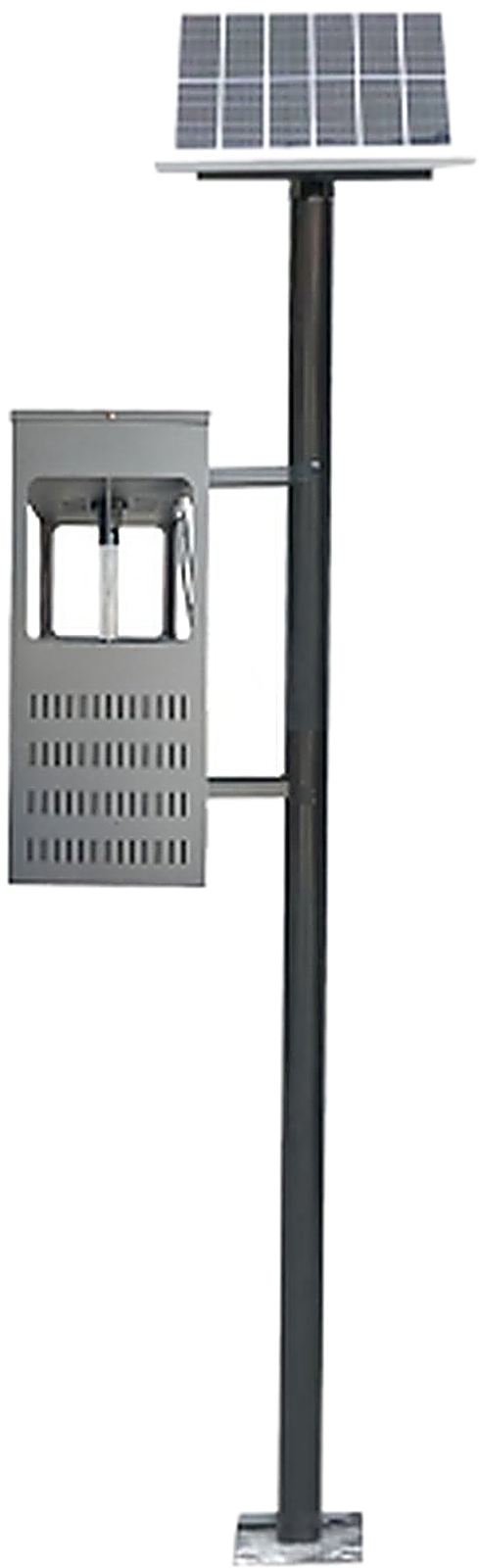
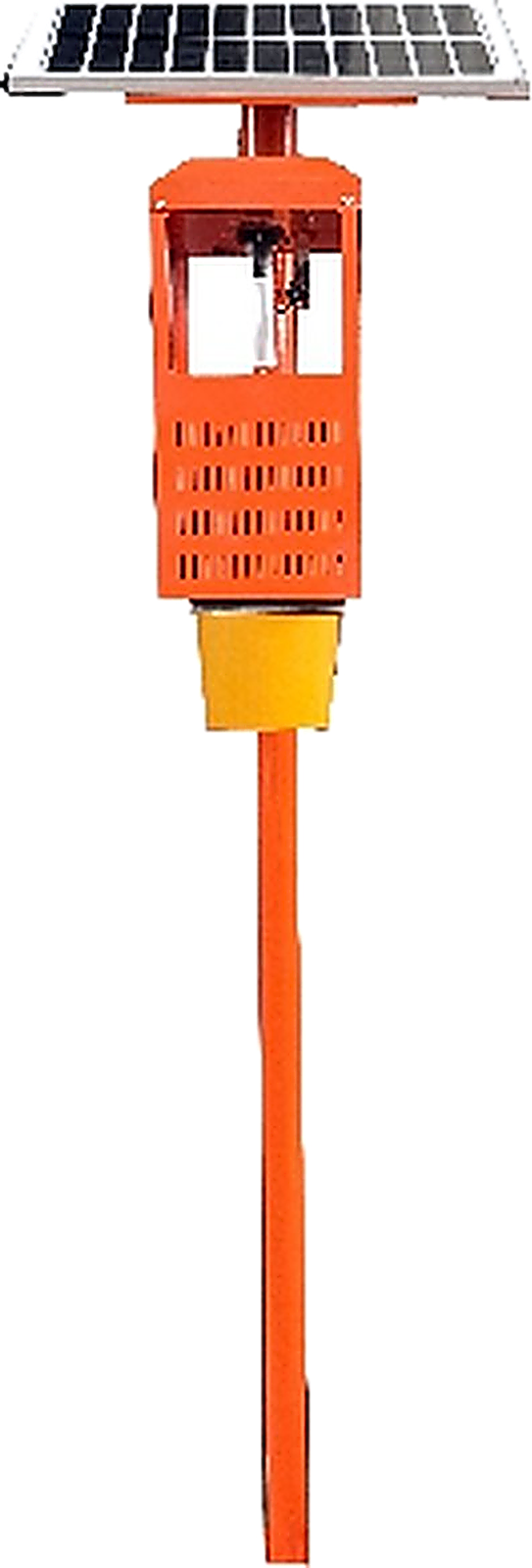
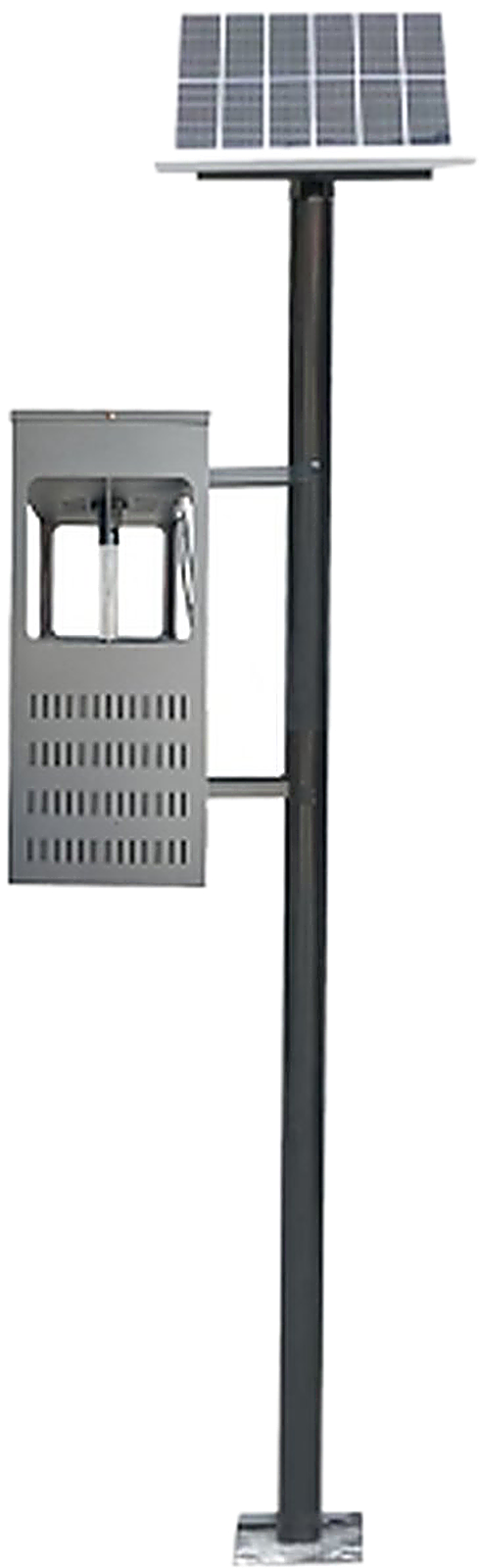
Use this guide alongside the references below to build a complete, defensible program.
For deeper technical and regulatory context, see the FAO Integrated Pest Management and the EPA safe pest control.
How many solar insect killers per acre do I need? Roughly one per 0.5–1.5 acres. Use the tighter end for high-pressure or export-grade crops and the wider end for low-pressure situations.
Should traps go on the border or in the middle? Start with a dense border ring, then fill inward. Most pests enter from the edges, so the perimeter does the heaviest work.
Does trap type change spacing? Yes. Wind-suction and electric-grid units have different effective capture radii and pest profiles. Always size spacing to the specific model’s tested range.
Can I space wider after the first season? Often yes, once you have catch and damage data. Many growers relax spacing outside peak flight months to save maintenance time while keeping a border ring active.
Placement and spacing turn a pile of hardware into a working solar insect killer network. Cover the edges, match height to the pest, and tighten density where pressure is real. FOSIBO helps distributors and growers model trap layouts per crop and climate, with OEM and ODM units engineered for consistent field performance — contact us to plan your coverage.