
Midges and gnats are easy to dismiss because they are small, but their impact on farms, greenhouses and livestock is outsized. From the rice gall midge that flattens yields across Asia to fungus gnats that wreck seedlings in nurseries, these tiny fliers punch far above their weight. A solar insect killer targets the adult flight stage — the one moment these pests are vulnerable and mobile.
Unlike scale insects that sit still, midges and gnats live most of their lives as larvae in soil, water or plant tissue. The adults fly only briefly to mate and lay eggs, and that window is the farmer’s best chance to act.
The rice gall midge and wheat midge lay eggs in young shoots, causing deadhearts and silver tips that slash grain yield. Their adults are weak, short-lived fliers active at dawn and dusk.
Fungus gnats (Bradysia) breed in wet seedling media, and their larvae chew roots and spread damping-off pathogens. In greenhouse farm pest management, they are a top nursery headache.
Ceratopogonidae — no-see-ums — bite cattle, poultry and people around dawn and dusk, spreading irritation and, in some regions, disease. They swarm toward light after dark.
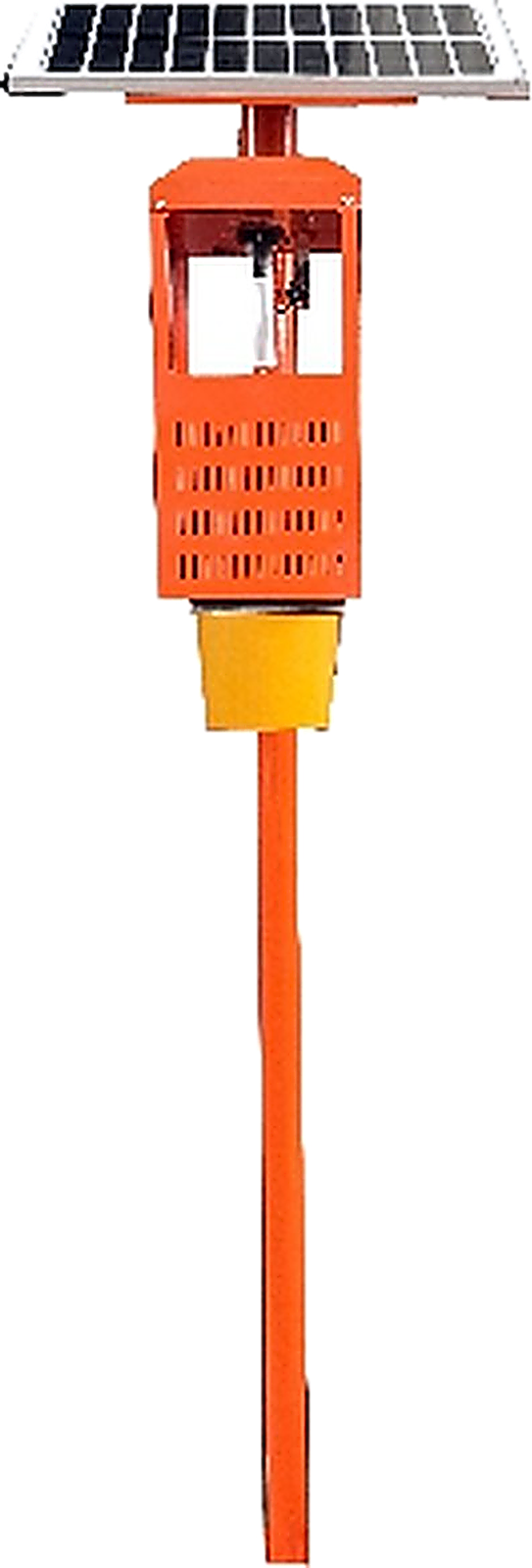
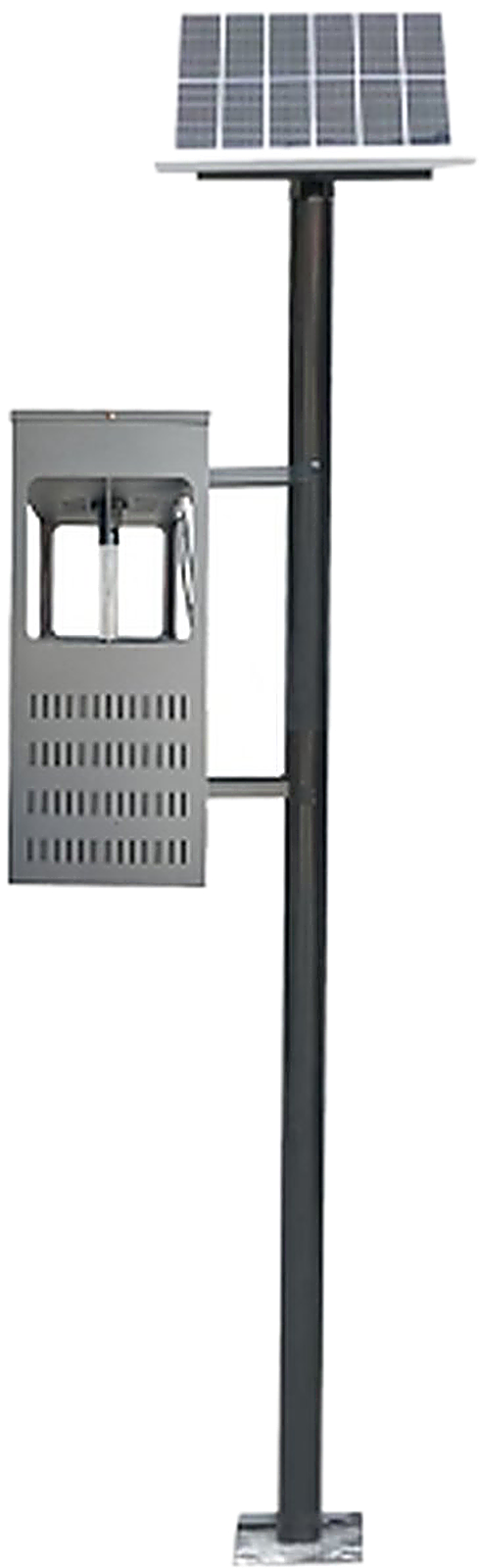
Most midges and gnats are strongly phototactic during their brief flight. A solar bug zapper with a UV-A attracting lamp pulls adults away from crops and animals and removes them before they reproduce.
Sprays struggle against larvae hidden in soil and water, and repeated larvicides raise resistance and residue concerns. A physical trap reduces the adult population every night with zero residues — ideal for agricultural pest control near food crops.
Midges and gnats peak at low light. A solar insect killer that switches on at dusk captures the flight exactly when it happens, then recharges the next day.
Put units at field margins, nursery benches, drainage ditches and livestock watering points — the places adults emerge and gather. One device per greenhouse bay or per 0.5–1 hectare of paddy margin is a sensible start.
Because larvae need wet media, let seedling trays dry between waterings and fix paddy leaks. The trap cuts adults; drier conditions cut larvae.
Positioning a solar insect killer along the bund of rice nurseries intercepts gall midge adults before they reach transplanted seedlings, protecting the most vulnerable stage.
Fungus gnat adults drawn to the trap spare young roots, reducing damping-off losses and the need for soil drenches.
Biting midge pressure around milking parlors and coops drops when a solar bug zapper runs through the evening peak, improving animal comfort and weight gain.
A trap is only as good as the feedback it gives you. Hang blue or yellow sticky cards at crop height near each solar insect killer and count catches weekly. A falling midge or gnat count after deployment confirms the device is doing its job; a rising count signals you should move the unit, add a second one, or tighten moisture control. Over a season these cards build a cheap, visual record of flight peaks that lets you time the solar bug zapper switch-on and justify the investment to buyers auditing your agricultural pest control plan.


Use this guide alongside the references below to build a complete, defensible programme.
For deeper technical and regulatory context, see the FAO Integrated Pest Management and the EPA safe pest control.
Can a solar insect killer stop rice gall midge? It reduces the adult flight that causes infestation, best paired with resistant varieties and nursery hygiene.
Do fungus gnats really come to light? Yes. Adult fungus gnats are attracted to UV-A and are commonly caught on greenhouse sticky and electric traps.
Is this safe around livestock and produce? The trap is a physical control with no spray drift or residue, so it fits sensitive farm pest management zones.
How many units do I need? Start with one per nursery bay or per 0.5–1 hectare of vulnerable margin, then adjust using sticky-card counts.
Will it help with mosquitoes too? Biting midges and some mosquitoes share dusk activity and phototaxis, so a solar bug zapper offers partial relief, though dedicated mosquito programs may need more.
Midges and gnats do their real damage as hidden larvae, but they are exposed and mobile as dusk-flying adults. A solar insect killer exploits that brief window nightly, cutting reproduction chemical-free. Pair it with moisture control and scouting, and you get a resilient, residue-free layer of agricultural pest control for rice, nurseries and livestock alike.