
Long, dry summers and mild, wet winters create a distinctive operating environment for field equipment. In a Mediterranean climate, a solar trap may run through weeks of intense sun and dust, then sit through months of soft rain and short days. Successful deployment depends less on the insect than on designing for that annual swing before the first season begins.
The obvious feature is heat. Summer canopy temperatures in olive, citrus, and vineyard blocks can exceed the rated range of ordinary electronics. Less obvious is the daily swing: a device can bake at midday and cool sharply after sunset, exactly when the lamp is switching on. A solar insect killer specified for a temperate farm may age quickly under these conditions.
The second feature is the rhythm of rainfall. Most rain arrives in winter, when insect flight is low and daylight is short. That is the period when corrosion and water ingress do their damage, often unnoticed until the following spring.
Ask for a battery chemistry and controller rated for high ambient temperatures, and confirm the enclosure’s operating range rather than relying on the panel rating. Lithium iron phosphate chemistry tolerates heat cycles better than many alternatives. Shade the control box where possible without shading the panel, and leave the ventilation path clear.
A fixed panel set at a steep winter-friendly angle may underperform during the long summer evenings when trapping matters most. In a Mediterranean climate, a moderate tilt favors year-round charging and sheds dust during the dry months. Check for shading from tall orchard rows, trellises, and irrigation infrastructure at least twice a season.
Dust is the quiet performance killer in a Mediterranean climate. A thin film on glass can cut charging noticeably after a few dry weeks. Build a simple cleaning interval into the farm calendar, and use soft cloth and water rather than abrasive tools. Farms near unpaved roads or harvest operations may need weekly attention.
Sealed chambers and gasketed lids matter here. An open collection chamber can fill with fine grit, which adds weight, blocks the fan, and makes insect counts unreliable. A wind suction design with a removable, washable chamber is easier to keep accurate through a dry summer.
Day length is an advantage in this environment. Extended dusk gives a solar bug zapper more operating hours exactly when many orchard pests are active. Position units along the upwind edge and near the transition between irrigated and dry ground, where insects concentrate.
Keep traps outside dense canopy, at a height that clears irrigation equipment, and away from yard lights that compete with the attractant. In a Mediterranean climate, the same block can be used for olives one year and a cover crop the next, so mark pole positions and keep them consistent for comparable counts.
Before the wet season, inspect seals, cable entries, and pole fixings. Empty and dry the chamber, then either continue operation with a reduced schedule or store the unit according to the manufacturer’s guidance. Standing water around the base accelerates corrosion, so choose slightly raised ground. This single visit is the most valuable maintenance task in a Mediterranean climate.
Flight activity does not stop uniformly in winter. In mild coastal zones, aphids, moths, and flies can remain active between rain events. A farm pest management plan in a Mediterranean climate should therefore keep a light monitoring schedule rather than assuming a complete pause. A short weekly check is enough to detect an early buildup.
Orchards, vineyards, and protected vegetable blocks have different pest communities and different spray restrictions. A solar insect killer works best as one layer of agricultural pest control, combined with scouting, sanitation, and biological tools. Where export markets impose residue limits, the nightly catch record also becomes useful documentation.
| Season | Priority action |
|---|---|
| Early spring | Inspect seals, charge battery, reset pole position |
| Dry summer | Clean panel weekly, check chamber daily, watch edge catches |
| Harvest | Protect equipment from machinery, record pest spikes |
| Wet winter | Drain, inspect cables, reduce monitoring to weekly |
Mounting the panel flat to “catch more sun” reduces self-cleaning and winter output. Installing traps directly under a dense canopy wastes charging time. Ignoring the fire-risk season in dry grassland can put equipment and staff in danger, so avoid vegetation buildup around poles. Finally, comparing catch counts between years without keeping the same location and cleaning routine produces misleading conclusions. None of these errors is unique to a Mediterranean climate, but every one of them costs more there because the working season is long.


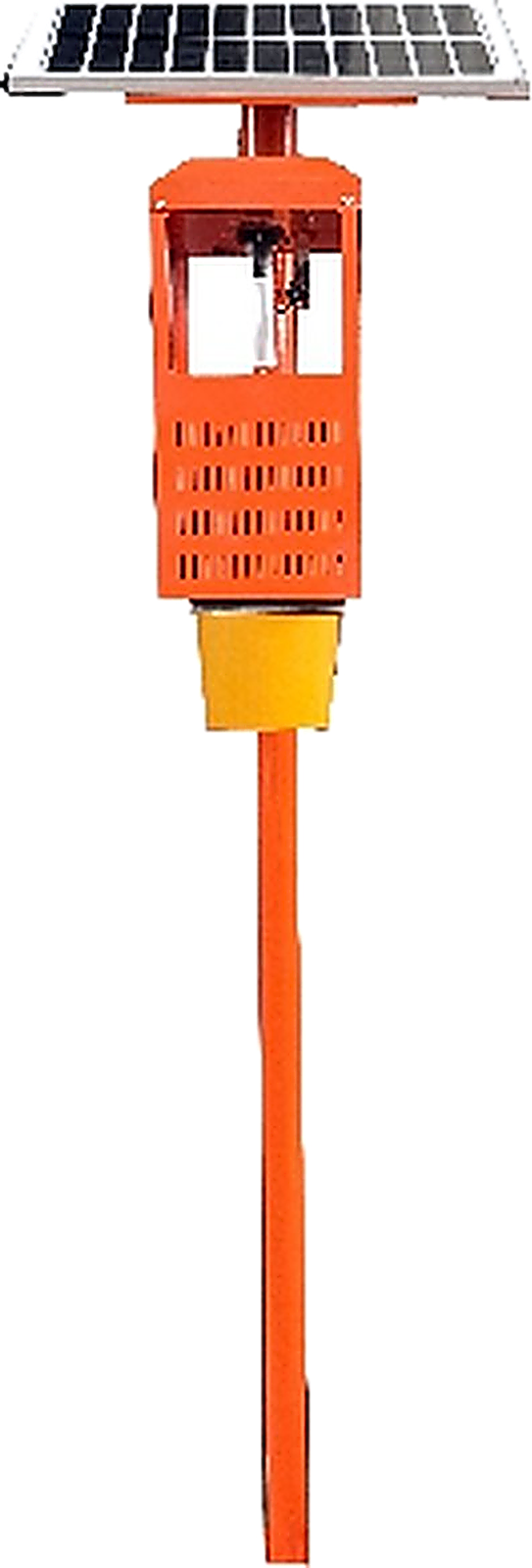
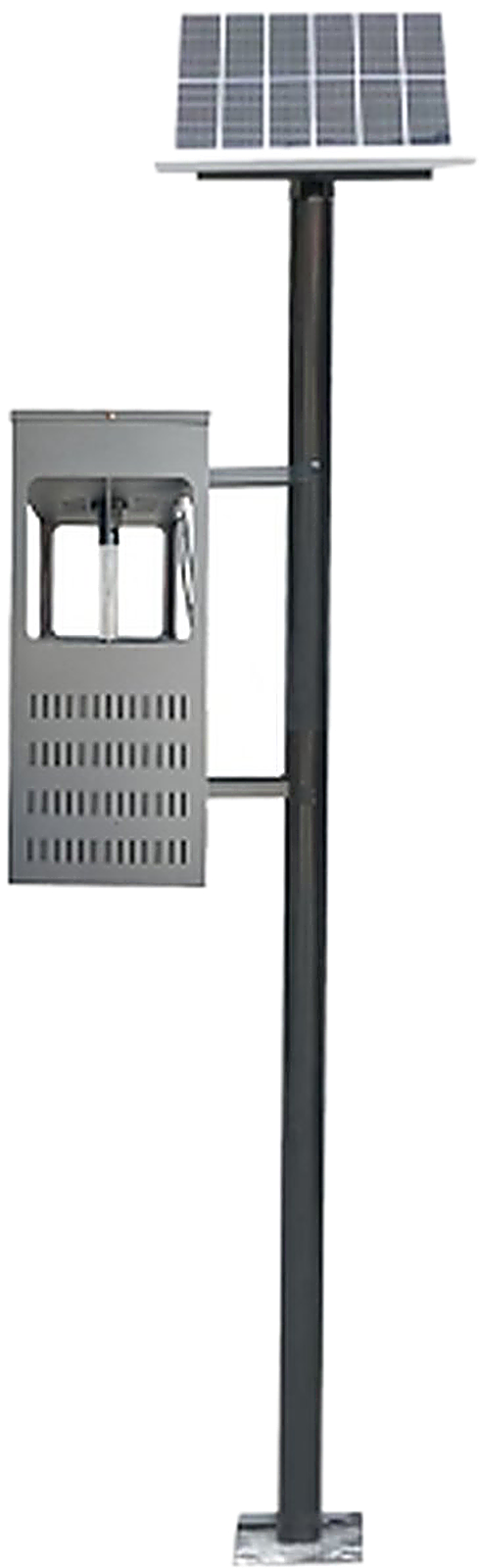
Use this guide alongside the references below to build a complete, defensible programme.
For deeper technical and regulatory context, see the FAO Integrated Pest Management and the EPA safe pest control.
Not if the unit is specified for high ambient temperatures and the battery is protected from direct heat buildup. Check the enclosure rating before purchase.
In a dusty Mediterranean climate, weekly cleaning during the dry season is a sensible starting point, adjusted after you see how fast output drops.
Usually only at a reduced level. Mild spells can produce pest flights between rains, so a weekly chamber check is a good compromise.
No. They support integrated pest management by detecting flights and reducing unnecessary treatments, but threshold-based decisions and targeted products remain necessary.
Water ingress during the wet season, followed by dust-clogged fans in summer. Both are preventable with a simple scheduled inspection.
A Mediterranean climate rewards planning. Clean panels, stable placement, and a year-round record turn a solar trap from a seasonal gadget into a dependable part of farm pest management.