
No single tool solves every pest problem, and a solar insect killer is no exception. Understanding its real pest spectrum — what it covers and what it cannot touch — is the difference between a disappointed buyer and a grower who gets lasting value from agricultural pest control. This guide is deliberately honest about the device’s limits, so you can plan a complete farm pest management programme instead of hoping one unit does everything.
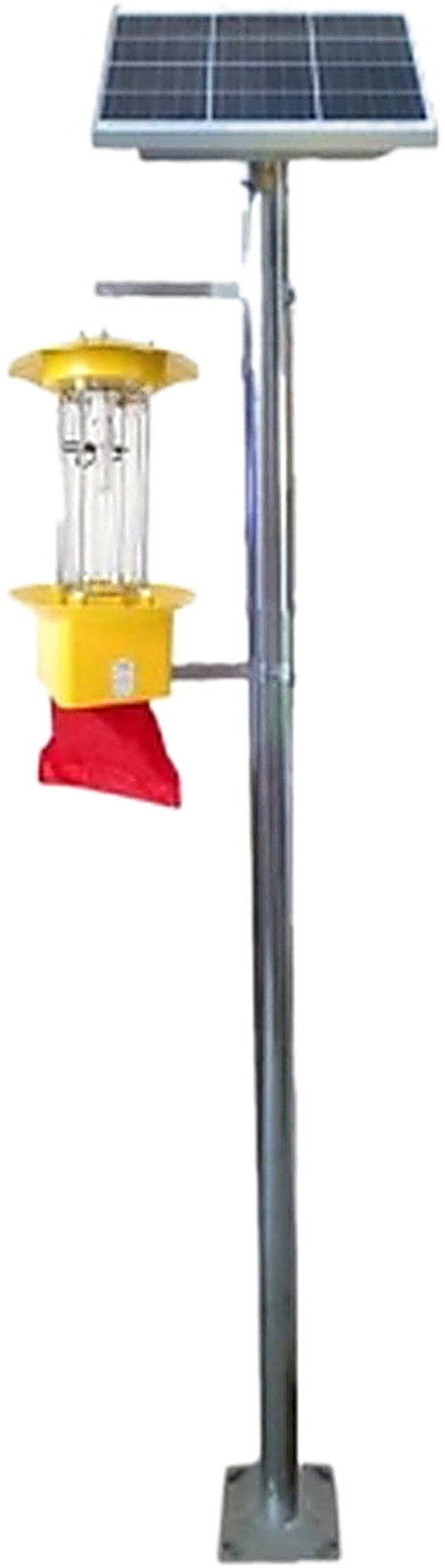
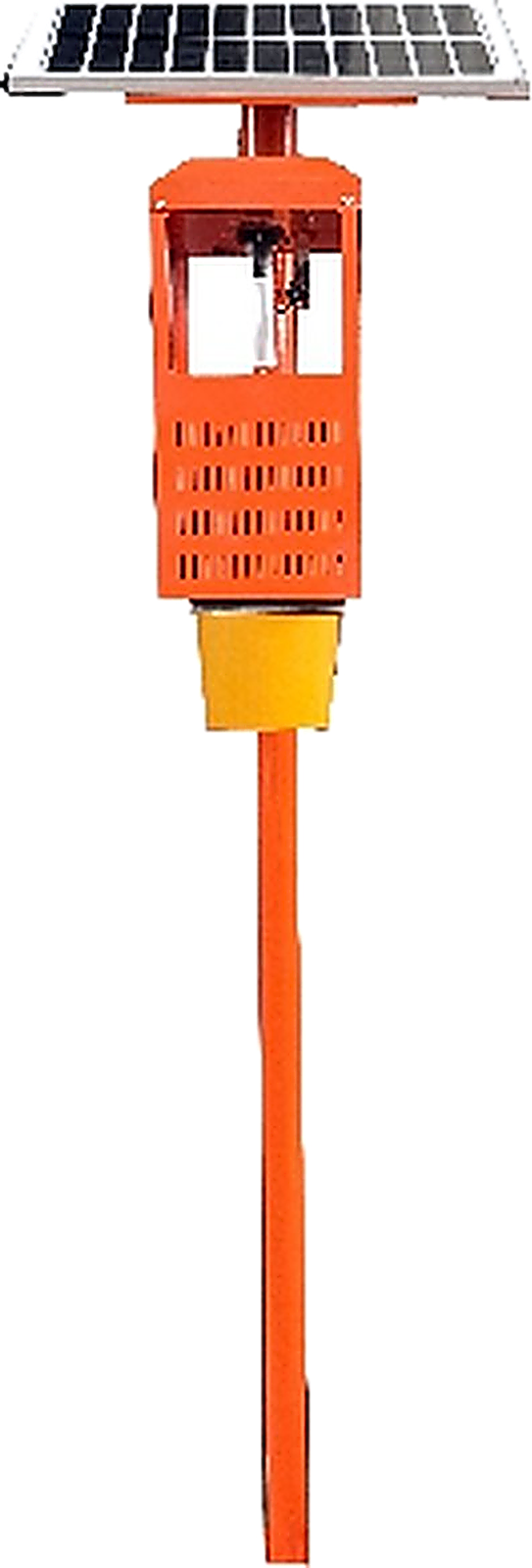
A solar bug zapper lures nocturnal flying insects with a tuned LED lamp and then captures them with a fan or a grid. It targets adults in flight. That single fact defines the whole picture: if the damaging stage flies at night and is drawn to light, the trap works; if the pest lives in soil, hides inside plant tissue, or is active only by day, the trap alone will not fix it.
Moths, fruit flies, leafhoppers, thrips, planthoppers and many beetles are attracted to the lamp. Capturing adults before they lay eggs is the trap’s core contribution to agricultural pest control, and it is the stage where light trapping is genuinely strong.
Most economically important borers and pod feeders fly after dusk. A solar insect killer operates exactly then, when chemical sprays are often banned, risky near pollinators, or simply ineffective against a flying adult.
Because capture happens every night, the local adult population trends down over weeks — a slow but real easing of pressure on the crop. The effect compounds: fewer adults tonight means fewer eggs next week, and fewer larvae at the next flight.
The limits are just as well defined as the coverage. A pest spectrum read honestly tells you where to spend on hardware and where to spend on something else entirely.
Nematodes, root maggots and grubs never see the lamp. There is no partial credit here: you need soil health, crop rotation, cover cropping and targeted soil treatment to manage the underground stage.
Caterpillars already inside fruit, borers in stems and leaf miners inside leaves are invisible to a light trap. The trap reduces next generation’s adults, but it does not cure this season’s internal damage. Scouting and timely action still matter.
Some pollinators and beneficials, and certain day-flying pests, are not drawn to the lamp. A well-tuned solar bug zapper keeps off-target catch low, but it is not a universal catcher for every insect on the farm.
A trap kills the vector insect but does not cure a virus already in the plant. Farm pest management still needs resistant varieties, rogueing and sanitation to keep pathogens in check.
The honest move is to map each pest to its life stage. Use the solar insect killer for the adult flying stage, and pair it with scouting, biologicals and precise sprays for everything else. Viewing the trap as one layer of a strategy — not a silver bullet — is what delivers results season after season.
Different insects respond to different wavelengths. Matching the LED to your target species widens useful coverage and avoids wasting capture on harmless moths. Height, surrounding light and crop canopy all change what you catch, so placement is part of the plan, not an afterthought.
A solar bug zapper is also a diagnostic tool. Emptying and counting the tray each week shows which species are active and when. That readout sharpens your read on the local pest spectrum and tells you whether the current lamp wavelength is pulling the insects you actually care about. Growers who log catches learn to anticipate pressure rather than react to damage after it appears.
Where the trap leaves a gap, beneficial insects and microbials fill it. Nematode-eating fungi, parasitic wasps and predatory bugs handle the soil and larval stages the lamp cannot reach. A solar insect killer that spares day-active beneficials makes this partnership work: you thin the flying adults while biologicals suppress the rest. That combination is the heart of modern farm pest management.
Do not expect a trap to zero out a population in a week. The shift is gradual — often weeks of nightly capture before adult counts visibly drop. In peak flight seasons the tray may stay full even as underlying pressure eases. Patience, plus the monitoring above, is what turns a set of limitations into a manageable, predictable programme rather than a source of frustration.


Use this guide alongside the references below to build a complete, defensible programme.
For deeper technical and regulatory context, see the FAO Integrated Pest Management and the EPA safe pest control.
Can a solar bug zapper replace pesticides completely?
Rarely. It owns the adult flying stage; soil pests, larvae and disease still need other agricultural pest control tactics.
Does it kill bees and beneficial insects?
A tuned solar insect killer mostly catches nocturnal fliers, and most bees are day-active and largely unaffected.
What pests are completely outside its range?
Soil nematodes, root feeders, internal borers and day-only species sit outside the practical pest spectrum of any light trap.
Is the trap useless then?
No. Used for the right stage it cuts egg-laying pressure nightly and lowers spray rounds. The limits just mean you plan around them.
How do I know if my pest is controllable?
Check the life stage: if the damaging adult flies at night and is light-attracted, a solar bug zapper belongs in your programme.