
A solar insect killer looks simple from the outside, but the part that actually determines whether a farm gets control is the kill mechanism. Two designs dominate the B2B market: the electric grid (a high-voltage mesh that zaps insects on contact) and the sticky board (an adhesive glue card the insect cannot escape). Both hang under the same solar-powered UV or LED lamp, both run from dusk to dawn without grid power, and both serve the same goal of agricultural pest control. The difference is what happens after the pest is attracted.
For importers, distributors, and large-scale growers building a farm pest management program, the choice is not cosmetic. It changes catch efficiency, labor, safety rules, and even which markets will accept the product. This guide compares the two head-to-head so the buying decision is based on pest biology and total cost of ownership — not the sales brochure.
A solar bug zapper with an electric grid uses a solar panel to charge a battery during the day. At dusk the lamp switches on and a transformer steps voltage up to a grid of interlaced wires. When a flying insect touches two adjacent wires, a short pulse kills it and the carcass drops into a collection tray below.
Strengths:
Weaknesses:
A sticky-board unit uses the same lamp and solar power, but replaces the grid with a replaceable adhesive card positioned behind the light. The insect is drawn in and sticks. There is no zap, no spark, and no sound.
Strengths:
Weaknesses:
| Factor | Electric Grid | Sticky Board |
|---|---|---|
| Knockdown speed | Instant | Trap-and-hold |
| Recurring consumable | None | Glue cards |
| Noise / spark | Yes / yes | Silent / none |
| Best for high pest pressure | Strong | Limited |
| Monitoring data | Weak | Strong |
| Safety compliance | More | Less |
| Ideal siting | Field, perimeter | Packhouse, school, resort |
For farm pest management at scale, the math usually favors the grid on total cost of ownership when pest pressure is mixed and labor is scarce. A single solar insect killer with a grid covers a zone with only periodic cleaning and an annual panel or battery check. Sticky units are cheap per device, but the glue cards and the labor to read and replace them add up across a season and across hundreds of units.
That said, a sticky board wins where monitoring matters more than mass kill — high-value export blocks, organic certification audits, and food-handling areas where a quiet, spark-free device is mandated.
Operators who run both mechanisms side by side report consistent patterns. On open-field vegetables, an electric-grid solar insect killer typically shows the bigger morning tray count during peak flights, while sticky boards in the same block capture fewer but give a cleaner species log. In one Southeast Asian vegetable cooperative, switching perimeter lines to grids cut the number of preventive sprays from nine to four per season, while the packhouse kept sticky units for audit-ready capture records. The two mechanisms rarely compete — they cover different jobs.
Grid units need a seasonal clean of the tray and a battery-health check; the grid mesh itself lasts years. Sticky units need a spare-card inventory and a disposal plan. Neither is heavy, but the labor profiles differ: grid labor is occasional and physical; sticky labor is frequent and small. Budget both when quoting a program, and the lifetime cost picture becomes clear to the buyer.
Most B2B buyers end up stocking both, positioned differently:
When quoting, lead with the grid for volume field deployments and the sticky board for food-safety and compliance-sensitive accounts. Both belong inside one Integrated Pest Management plan.
No matter which you choose, siting decides results. Keep any solar insect killer away from the crop canopy and flowering plants to protect pollinators, face the lamp outward from the field edge, and clean or swap on a fixed schedule. A perfectly chosen mechanism placed wrong still underperforms.
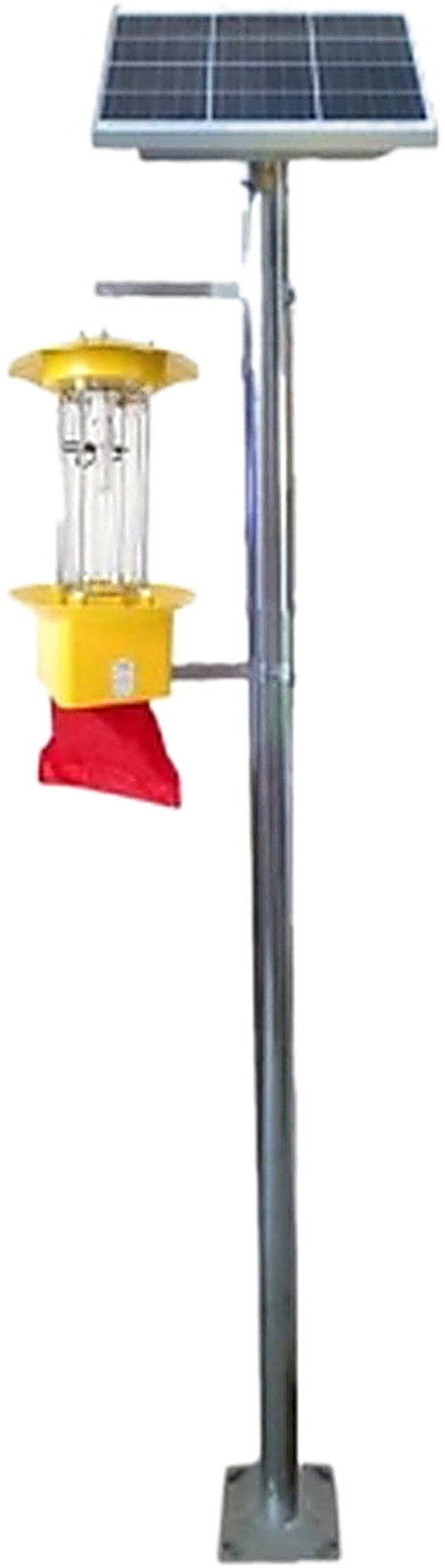


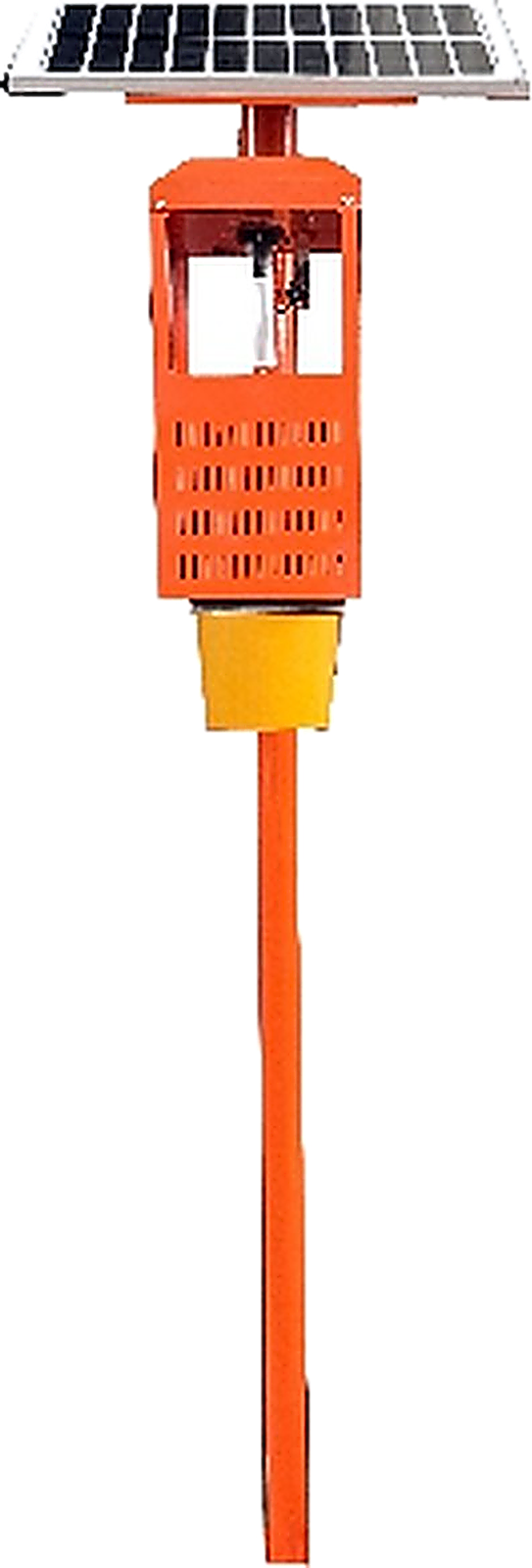
Use this guide alongside the references below to build a complete, defensible program.
For deeper technical and regulatory context, see the FAO Integrated Pest Management and the EPA safe pest control.
Do sticky boards work in heavy rain?
The lamp and board are weather-sealed, but a soaked card loses tack. Swap on schedule and keep spares through the wet season.
Which is safer around livestock?
Sticky-board units are spark-free and have no shock risk, making them the safer choice near barns and pens.
Can I convert a grid unit to sticky board later?
Rarely. The housing, tray, and lamp position differ, so treat them as two product lines rather than one convertible unit.
Which gives better IPM data?
The sticky board. The captured card is a physical record of species and pressure — valuable for scouting and reporting.