
Export traceability turns a trap log into a document a border inspector will accept.
B2B buyers of horticultural and field crops increasingly demand proof — not promises — that imported produce is pest-free and produced under documented integrated pest management. For exporters using the solar insect killer, the trap is not just a control device; its catch logs can feed a blockchain traceability system that proves a pest-free regime to phytosanitary auditors. This guide explains how agricultural pest control data from solar traps becomes defensible export documentation.
Phytosanitary authorities in the EU, US, China and Gulf states want evidence of pest monitoring, not just a certificate stamped at the border. A buyer importing citrus from Southern Africa or mangoes from Latin America may ask: what pest monitoring was done, when, and with what result? Traditional paper scouting logs are easy to lose and impossible to verify. Blockchain traceability turns each trap catch into a tamper-evident record that follows the shipment from field to port.
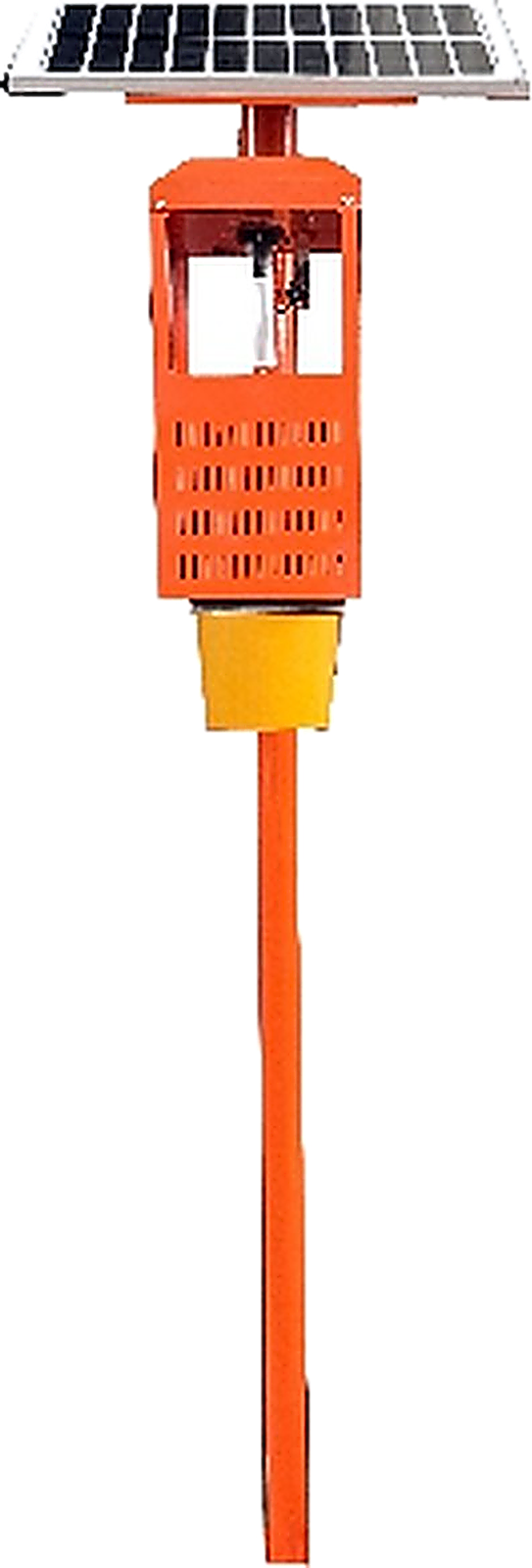
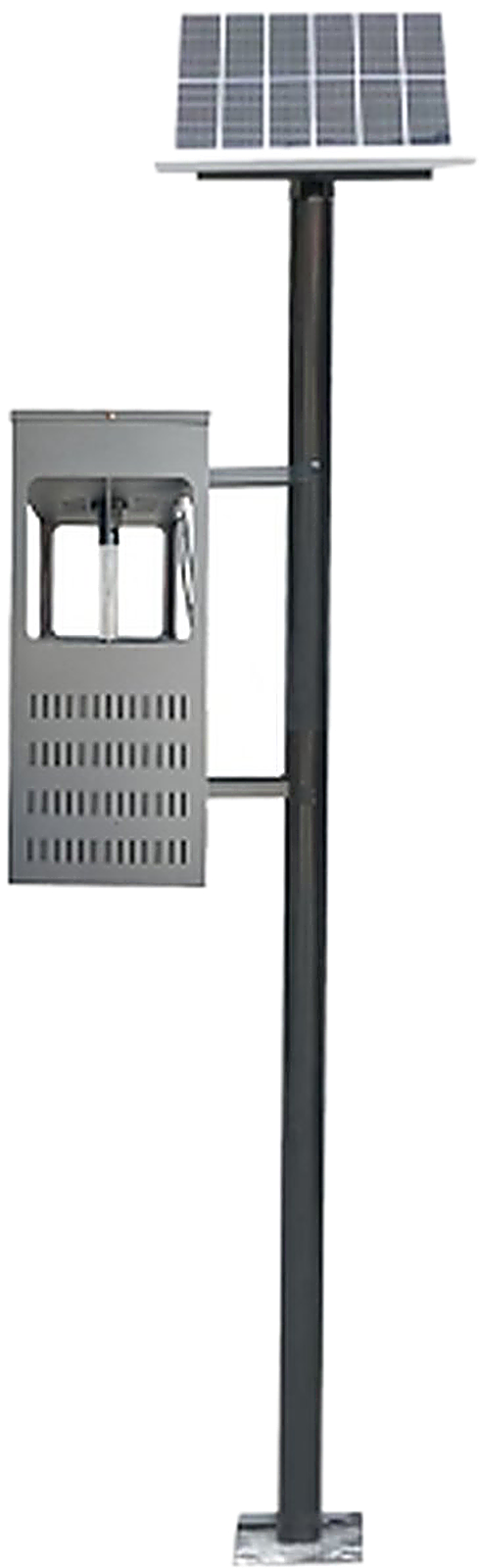
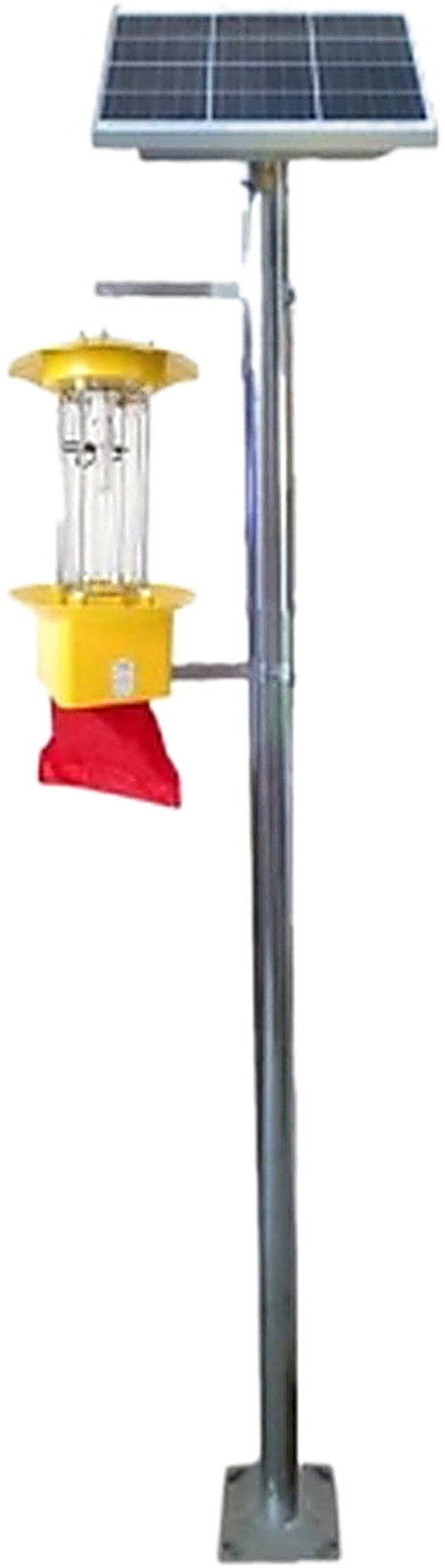
For a farm pest management programme built around the solar insect killer, this is a natural fit. The trap already runs every night and collects adult insects. Capturing that data digitally and anchoring it on a blockchain gives exporters a defensible story: we monitored, we caught, we reduced sprays, and here is the immutable log.
The workflow is straightforward:
Because the solar bug zapper operates autonomously, the dataset is continuous and hard to fake. A buyer can see that trap 14 at block B recorded falling moth counts through the export window — strong evidence of a managed, low-pressure regime.
Phytosanitary and private-food-safety audits look for three things:
A blockchain trail from solar insect killers answers all three. The immutability means a buyer trusts the numbers even across borders and intermediaries.
A Southern Hemisphere citrus exporter linked 120 solar insect killers across its orchards to a traceability platform. Each pallet carried a QR pointing to the block’s trap history. When a EU buyer’s auditor questioned residue risk, the exporter pulled the blockchain record: 38 weeks of continuous catch logging, a 30% reduction in intervention sprays, and zero detected quarantine pests in the export window. The shipment cleared without a hold.
Blockchain traceability is not only about passing audits. It also:
Exporters do not need to build blockchain from scratch. Managed platforms now offer agri modules that accept trap CSV or API feeds and issue shareable proofs. The key is that the solar insect killer’s data export is structured — date, unit ID, catch count, GPS — so it slots into any ledger without custom engineering.
Exporters new to blockchain traceability should avoid three mistakes. First, do not over-claim — the ledger proves monitoring happened, not that pests were absent, so keep language factual. Second, avoid vendor lock-in by choosing a platform that exports open CSV alongside the chain record. Third, train the field team: a blockchain is only as trustworthy as the catch data entered, so consistent tray emptying and correct unit IDs matter more than the cryptography behind the ledger.

Use this guide alongside the references below to build a complete, defensible program.
For deeper technical and regulatory context, see the FAO Integrated Pest Management and the EPA safe pest control.
Do I need blockchain to use a solar insect killer? No. The trap works standalone. Blockchain is an optional layer that turns its catch data into export-grade proof when buyers demand traceability.
Is the data secure and private? Yes. Only hashes and summaries are written to the ledger; field-level commercial detail stays with the grower, and access is granted per shipment.
Will this replace phytosanitary certificates? No. It complements them. The certificate remains the legal document; the blockchain log is the evidence behind it.
How hard is integration for a small exporter? Most platforms accept a simple CSV from the trap’s gateway, so a small team can onboard in days rather than months.
Does it help with EUDR or residue rules? Indirectly. A verifiable pest-free and low-spray record strengthens any due-diligence submission under residue and deforestation regulations.