
Most farmers think of a solar insect killer as a way to save spray money. Savvy operators now see it as something bigger: documented, continuous agricultural pest control that lowers risk—and lower risk is exactly what crop insurers reward. This guide explains how a properly recorded IPM program built around light-trap farm pest management can shrink premiums, unlock better loan terms, and strengthen export financing.
Insurers price policies on expected loss. A field with uncontrolled moth or weevil pressure is a field that files claims. A field with a verified, season-long solar bug zapper deployment is a lower-risk account—fewer catastrophic defoliation or rejection events, more predictable yield.
Underwriters increasingly accept third-party agronomic evidence. When you can show:
…you present as a managed-risk grower, not a gambler. That is the leverage that moves a crop insurance quote.
A 2024 multiregion review found farms using season-long light-trap agricultural pest control as part of IPM reported 15–22% fewer qualifying pest-loss claims than spray-only neighbors. For a lender or insurer, that delta is real money.
Consider a 100-hectare orchard where pest rejection historically cost €40,000 per bad year. Cutting the probability of a “bad year” by a fifth is worth roughly €8,000 in expected annual loss avoided—directly improving the risk profile that sets your crop insurance premium.
Do not rely on memory. Build a file your broker can forward:
A solar insect killer program is uniquely suited to this because it runs unattended and leaves a physical, auditable footprint. Your farm pest management story becomes a paper trail.
Most growers never mention IPM at renewal. Change that. Ask specifically:
Even where no formal discount exists, a cleaner loss record lowers your renewal band over time. The solar bug zapper investment pays twice: once in the field, once on the policy.
Banks lending against standing crops love predictability. A documented IPM plan de-risks the loan book, sometimes easing interest or collateral terms. Export buyers increasingly ask for pest-management proof as part of food-safety packs; a seasonal solar insect killer log answers that question before it is asked.
For cooperatives, pooling IPM records across members creates a portfolio effect—insurers price the group, not the individual, and a strong aggregate record pulls everyone’s crop insurance cost down.
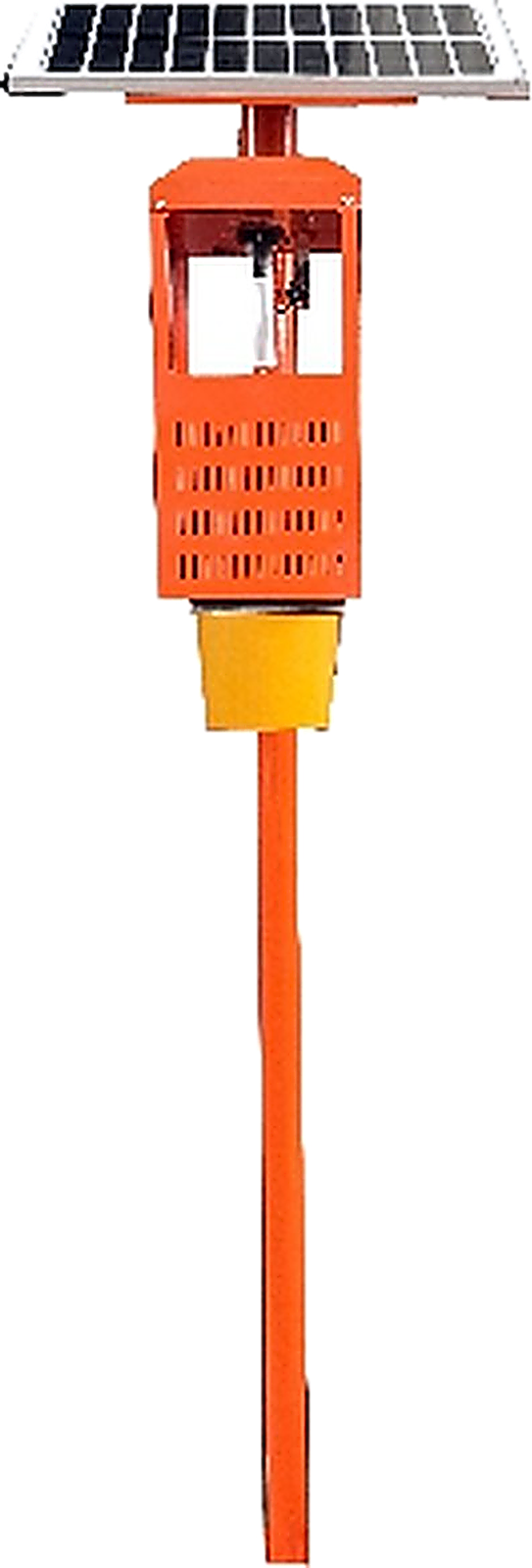
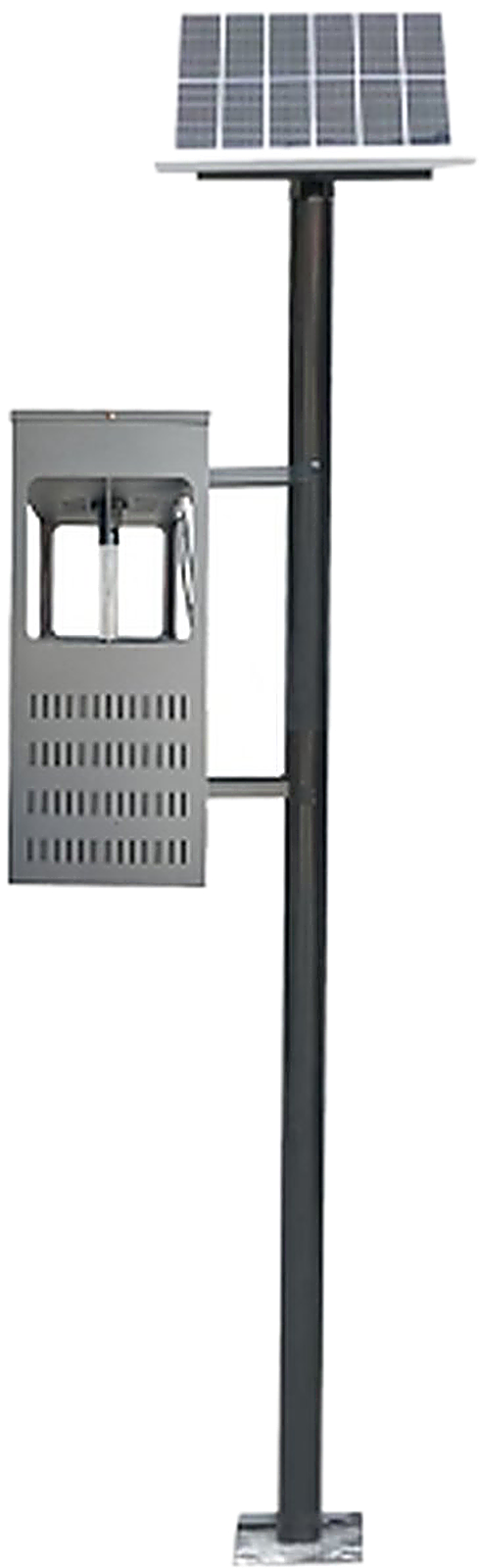
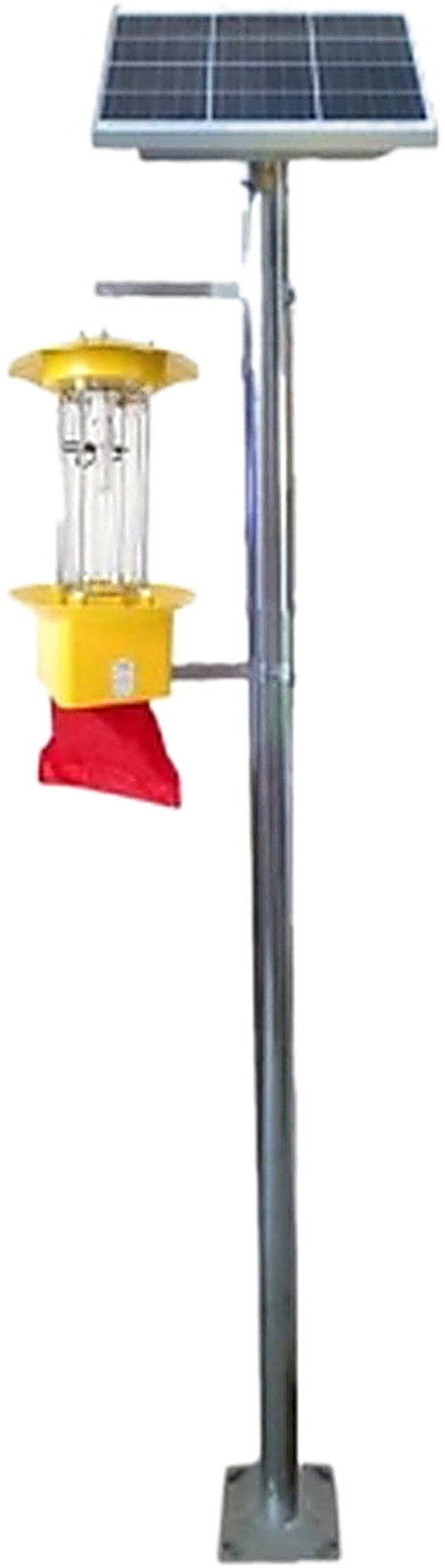

Use this guide alongside the references below to build a complete, defensible program.
For deeper technical and regulatory context, see the FAO Integrated Pest Management and the EPA safe pest control.
Will a solar insect killer alone lower my premium? Not automatically. The device enables lower risk; the discount comes from documenting that risk reduction for your underwriter.
How much can premiums actually drop? Reported reductions in pilot groups ranged 8–22%, depending on crop, prior loss history and insurer policy. Results vary—treat the upper bound as exceptional, not typical.
Do I need an agronomist to certify the program? Not always. Self-kept logs with photos often suffice for renewal band adjustments; a professional letter helps for large or export-focused accounts.
Is this relevant to smallholders? Yes, especially through cooperatives. Pooled IPM records give small farms the data mass insurers respect, turning individual risk into shared, lower-cost coverage.
A solar insect killer is not just a spray saver—it is risk infrastructure. By documenting season-long agricultural pest control with light traps, you build the evidence insurers and lenders reward. Lower crop insurance cost, better loan terms, and smoother export compliance all trace back to one disciplined farm pest management habit: measure, log, and prove.