
When you source a container of traps, the quoted price rarely tells the whole story. The solar insect killer supply chain is a chain of specialized components, and each link has its own cost cycle. This guide breaks down the bill of materials so importers and OEM buyers can read a quote with confidence and plan around price swings.
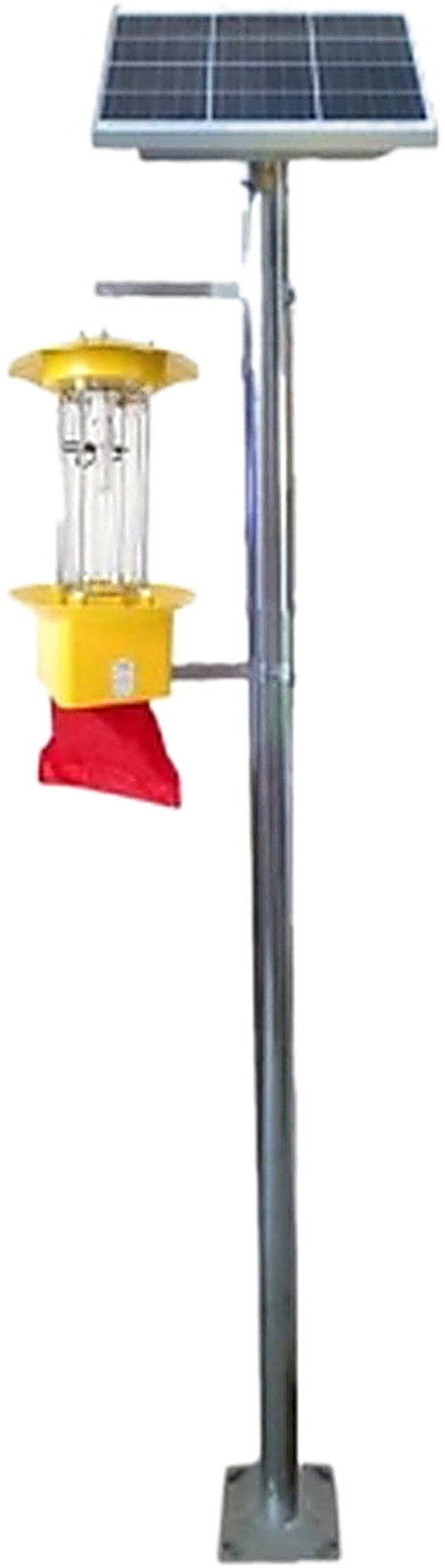
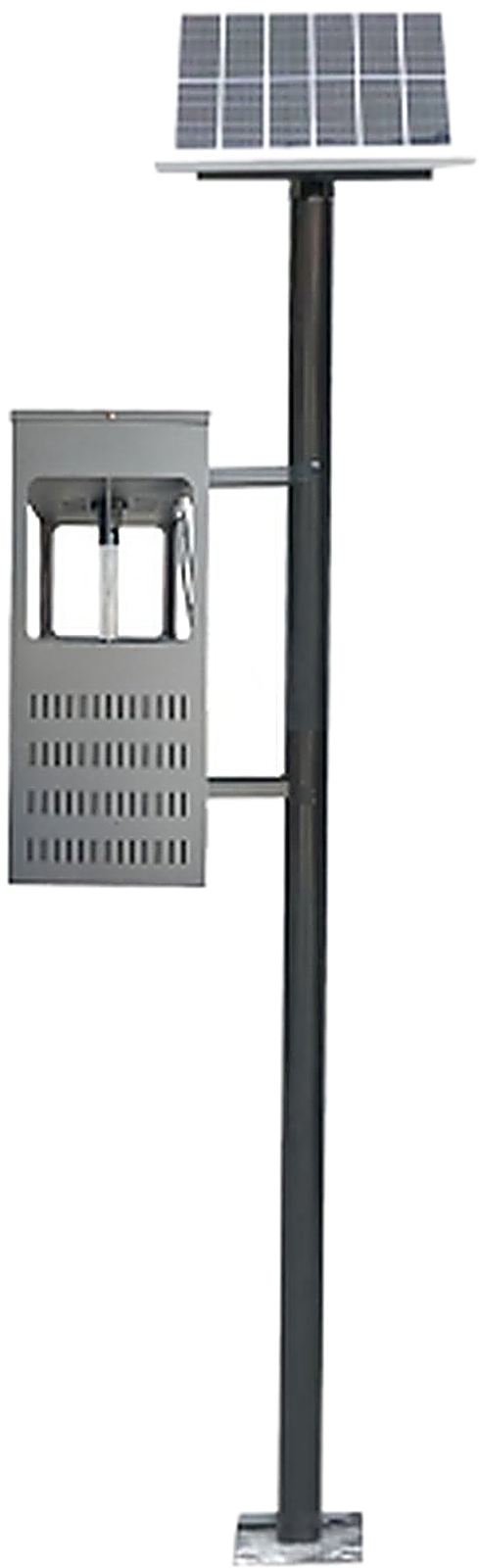
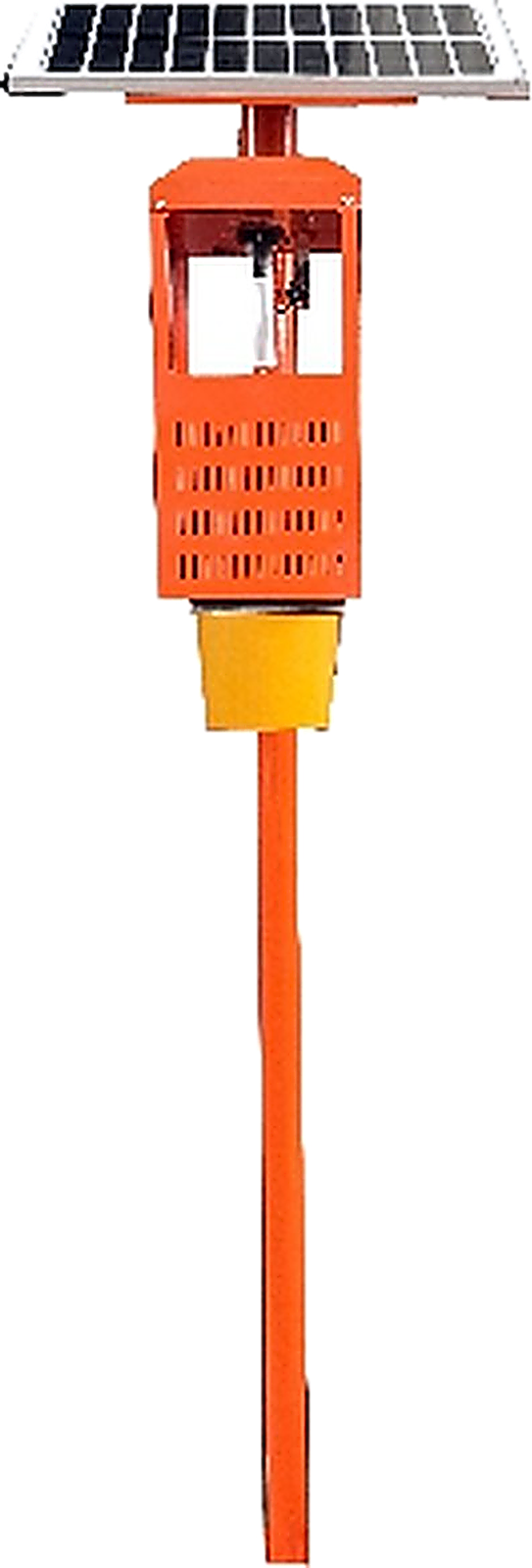
A solar bug zapper is not a single product; it is an assembly of a photovoltaic panel, a battery, a light module, a fan, and a controller. When lithium or polysilicon prices move, your unit cost moves with them. Understanding the supply chain helps you time orders, negotiate better, and avoid surprises at the dock.
Labor and freight are visible, but component cost sets the real floor. A supplier quoting far below the market for cells or panels is cutting a corner you will discover in the field.
The panel is often the largest single line item in the bill of materials.
Most traps use small monocrystalline PERC panels for efficiency in low light. Polysilicon price cycles directly affect this cost, and panel grade sets how well the unit charges on cloudy days.
A bigger panel charges faster but raises both material and shipping weight. Match panel wattage to the local sun hours rather than over-specifying for every market.
The battery is where unit cost gets unpredictable, because it tracks global lithium markets.
LiFePO4 cells cost more up front but last far longer and survive deep cycles. Lead acid is cheaper but fails faster in hot field conditions. The cell chemistry you choose sets both price and warranty claims.
Lithium carbonate prices have swung wildly in recent years. A contract priced before a spike protects your margin; a spot order during a rally can erase it. Track the index the way you track freight.
The lure is a small but crucial component.
Modern traps use UV-rich LEDs with a defined spectrum. LED cost has fallen, but spectrum quality still varies by die source. Cheap emitters catch fewer adults and quietly lower field performance.
Suction traps rely on a brushless motor to pull insects into the tray.
A quality PMSM motor runs quietly and lasts seasons. A cheap brushed fan seizes in dust and humidity, and replacing it mid-season is a service headache you do not want at scale.
The brain of the unit manages charge, light timing, and protection.
A proper battery management system prevents overcharge and deep discharge. The PCBA also carries the rain sensor and timer logic. Component-grade controllers cost more but cut warranty returns sharply.
The solar insect killer supply chain moves on three clocks: lithium cycles, polysilicon cycles, and electronics demand. When all three rise together, unit cost can jump double digits in a quarter.
Book panels and cells on a forward basis when indices are low. Hold safety stock of long-lead items so a single shortage does not stall a shipment.
Smart buyers reduce exposure instead of hoping prices stay flat.

Use this guide alongside the references below to build a complete, defensible programme.
For deeper technical and regulatory context, see the FAO Integrated Pest Management and the EPA safe pest control.
Which component most affects the unit price? The battery and the solar panel together usually dominate the bill of materials, and both track global commodity cycles more than labor does.
Should I specify LiFePO4 or lead acid? LiFePO4 is the better long-term choice for field durability and warranty, despite a higher upfront cost. Lead acid only makes sense for the lowest budget tiers.
How can I protect against lithium price spikes? Use forward contracts for cells, keep a buffer stock of long-lead items, and consider CKD import of cells to manage tariffs and timing.
Does panel grade really change field performance? Yes. A higher-grade mono PERC panel charges better on cloudy days, which directly affects nightly runtime and catch in low-sun regions.
Why do two quotes at the same spec differ so much? They rarely use the same component grades. One may quote premium cells and a branded BMS; the other may quote spot-grade parts. The supply chain behind the number is what you are really buying.
A clear view of the solar insect killer supply chain turns a confusing quote into a manageable plan. Spec the right cells, watch the commodity clocks, and dual-source the parts that can stall a shipment.