
A solar trap can be perfectly placed, correctly sized, and still deliver misleading data if its collection chamber is full. Cleaning is the least glamorous part of owning a solar insect killer, and it is the task most often skipped. Yet the quality of every catch count, every pest trend, and every treatment decision rests on a simple habit: emptying and servicing the collection chamber on a disciplined schedule.
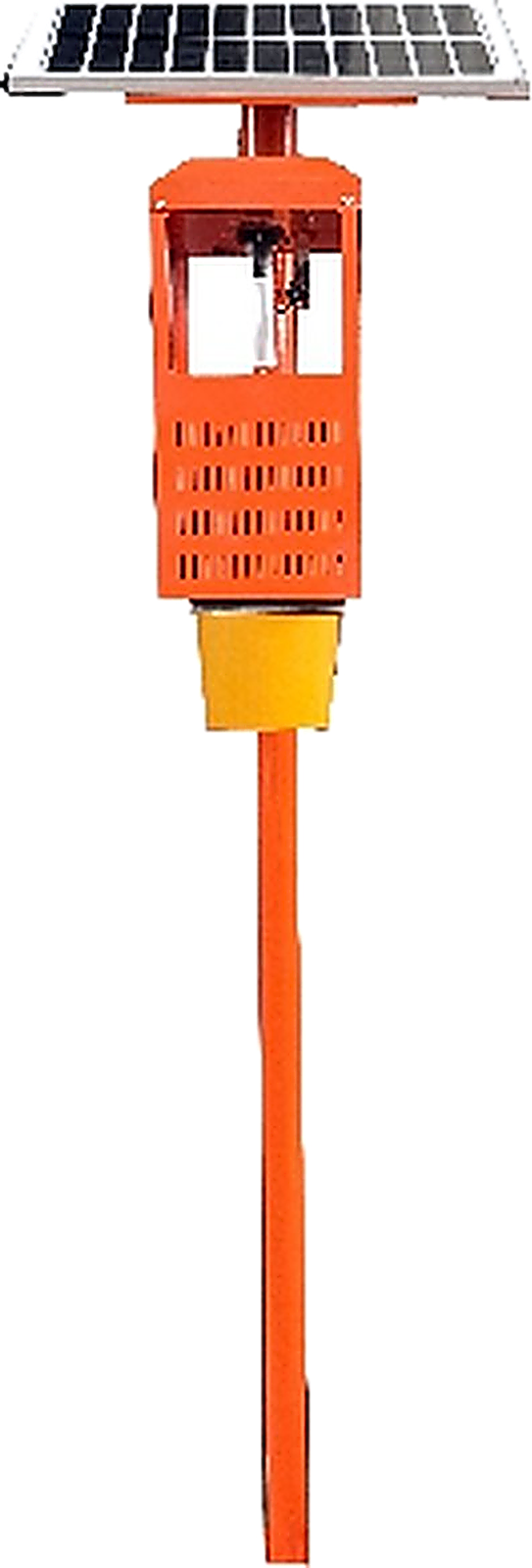
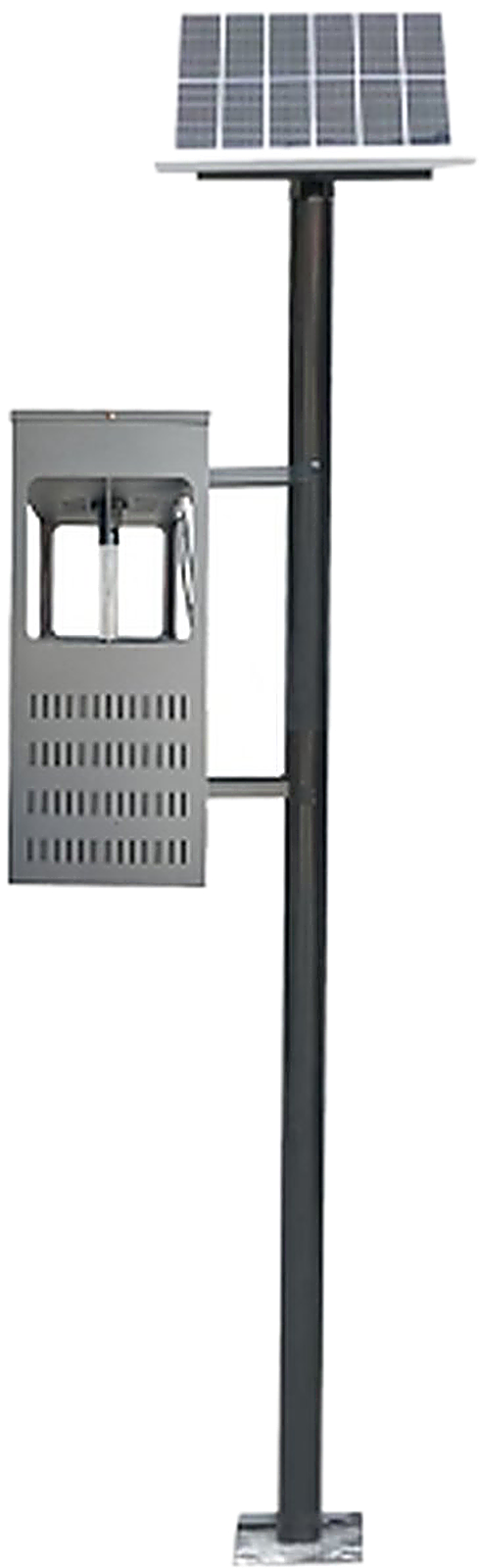
The collection chamber is where captured insects accumulate. As it fills, airflow through a suction trap drops and dead insects begin to decompose, releasing odor and attracting scavengers. A full chamber does not just hold fewer insects; it changes what the trap catches, because the attraction and capture balance is disturbed.
For a monitoring program, that is a serious problem. Catch numbers are only useful when effort is constant. If one week the collection chamber is half full and the next it is overflowing, the trend you read is partly a record of your cleaning schedule rather than of pest pressure. Consistent collection chamber cleaning is what makes counts comparable across nights and across seasons.
There is no single answer, because the right interval depends on pest density and season. During a peak flight, a chamber can fill in two or three nights. In a quiet period, a weekly check may be plenty.
The reliable rule is to inspect on a fixed schedule and empty whenever the container reaches about two-thirds full. Do not wait until it is completely packed. A chamber that is serviced early keeps suction stable and samples clean, which protects the accuracy of your farm pest management records.
In warm months, plan on inspecting every one to three days. In cool or dormant periods, a weekly visit is usually enough. If you are using the trap as an early-warning tool for a high-value crop, lean toward more frequent checks during the periods when that pest is most active.
Switch the unit off before opening it, even on a solar insect killer that appears harmless. Wear gloves, and check that the pole or mount is stable before you climb or reach. Work in daylight rather than at night, when visibility is poor.
Dead insects, dust, and plant debris can irritate skin and airways. Gloves and a simple dust mask are sensible, especially when a chamber has been closed for a week in hot weather. Keep faces clear of the container when you open it, and work in a ventilated spot.
1. Switch off the unit and let the fan come to a full stop. 2. Loosen the chamber lock and lift the container free, keeping it level to avoid spilling. 3. Tip the contents into a sealed bag or a designated disposal bin. 4. Brush out fine debris and any insects stuck to the mesh or walls. 5. Wipe the interior with a dry or slightly damp cloth; avoid harsh chemicals that could leave an odor. 6. Check the fan intake and grid for blockage before refitting the chamber. 7.
Lock the chamber back in place, switch the unit on, and confirm normal operation.
This routine takes only a few minutes, but doing it the same way every time keeps your sampling effort consistent. That consistency is the foundation of trustworthy agricultural pest control data.
Disposal depends on local rules and on what you are trapping. Ordinary garden pests can usually be bagged and added to general waste or composted where regulations allow. Never release captured insects back into the field, even if they appear harmless, because you cannot be certain of their species or health status.
If the trap is part of a vector-monitoring program, follow the disposal guidance of the relevant authority. Some programs require samples to be retained or reported. Treating the collection chamber as a source of data rather than simple waste helps you meet those obligations.
Cleaning is also your best chance to inspect the catch. Note the date, the approximate count, and any obvious change in the mix of insects. A quick photograph of the chamber before emptying creates a visual record you can review later. Over a season, these notes turn a solar bug zapper from a passive device into a working monitoring tool.
A spreadsheet with columns for date, count, dominant insect, and weather notes is enough. The goal is not scientific precision but a consistent record that shows when pressure rises. Review the log alongside your field scouting, and the two data streams will reinforce each other.
The biggest mistake is irregular timing. Skipping a check and then emptying an overloaded chamber destroys the comparability of your counts. The second is using water carelessly around electrical parts, which risks damage and corrosion. The third is ignoring a partial blockage at the fan intake, which quietly reduces capture efficiency while the trap appears to work.


Use this guide alongside the references below to build a complete, defensible programme.
For deeper technical and regulatory context, see the FAO Integrated Pest Management and the EPA safe pest control.
Inspect on a fixed schedule and empty at about two-thirds full. That is usually every one to three days in peak season and weekly in quiet periods.
A damp cloth is fine for the container itself. Keep water away from the fan, grid, and electrical connections, and let all parts dry fully before reassembly.
Yes. A packed chamber restricts airflow in suction models and alters capture in grid models, so your counts stop reflecting real pest pressure.
Yes. A simple dated log or photo turns each cleaning into a data point, making the trap useful for farm pest management decisions rather than simple insect removal.
Collection chamber cleaning is a small task with an outsized effect. Keep the schedule steady, work safely, record what you find, and your solar insect killer will keep giving you counts you can actually trust.