
Pakistan is one of South Asia’s largest producers of cotton, wheat and mango, and its farmers face a year-round pest calendar that pushes heavy insecticide use. A growing number of progressive growers are adding the solar insect killer to their integrated pest management programs to cut spray passes, slow resistance and protect pollinators. This case study looks at how the technology performs across three of Pakistan’s most important crops and what local buyers should know before scaling it.
The country’s cropping system stacks Rabi and Kharif seasons, so pest pressure never fully resets. Cotton, wheat and mango each carry their own signature insects, and a solar bug zapper placed correctly can intercept several of them at the adult flight stage before they ever reach the plant.
Cotton is the backbone of Pakistan’s textile exports, but the American bollworm (Helicoverpa armigera) and the cotton whitefly (Bemisia tabaci) cause the heaviest losses. Moths and whiteflies are strongly phototactic, which is exactly the weakness a solar insect killer exploits. By removing a portion of the adult population before egg-laying, farms reduce the larval pressure that would otherwise demand repeated sprays and accelerate resistance.
In the wheat belt of Punjab and Sindh, aphid outbreaks and the occasional fall armyworm migration degrade grain fill. Aphids are weak flyers but cluster on the upper canopy where trap light draws alates at dusk. A farm pest management plan that pairs the solar trap with threshold-based scouting keeps beneficial ladybirds and parasitoids in the field longer instead of wiping them out with a blanket spray.
Pakistan’s Sindhri and Chaunsa mangoes are export staples, yet fruit flies (Bactrocera spp.) and leafhoppers slash marketable yield. Orchard rows running east-west with traps at the canopy margin catch male and female flies on their evening foraging flights, supporting residue-free fruit for overseas buyers who now demand low Maximum Residue Limits.
Most farms in Pakistan are small to medium holdings with unreliable grid power in rural Union Councils. A solar insect killer runs off its own panel and battery, so it works through load-shedding and at the field edge where moths congregate after dark. Because it is chemical-free at the point of capture, it slots neatly into agricultural pest control programs that must stay compliant with pesticide-reduction targets and buyer certification schemes.
A good result depends less on the device and more on where and when it is placed. The following playbook comes from pilot blocks in Punjab and Sindh, Pakistan, during two consecutive seasons.
Switch the trap on before the pre-monsoon flight peak. In cotton, that means late April; in mango, just after fruit set. Running the light through the humid months captures the highest adult counts when natural enemies are also active and can finish the job the trap starts.
Mount the unit at crop canopy height plus 30 to 50 centimeters, never above the plants where moths simply fly under the cone of light. For cotton and wheat, one unit per 0.2 to 0.3 hectare is typical; for mango orchards, space units along the block perimeter and every third row to break the flight corridor.
Across a 40-hectare mixed cotton and wheat pilot near Multan, Pakistan, farms running solar insect killers alongside scouting recorded roughly 30 to 40 percent fewer insecticide applications over a single season. Mango blocks in Sindh, Pakistan, reported cleaner fruit and a lower rejection rate at the export grading line. While results vary with pest pressure and weather, the direction is consistent: fewer sprays, steadier beneficial populations and lower seasonal input bills.
A solar bug zapper pays for itself when it displaces even two or three spray rounds per season, especially where labor and diesel for knapsack and tractor sprayers are expensive. Buyers sourcing through FOSIBO’s OEM and ODM program can specify pole height, battery capacity and light spectrum to match local target pests, then roll units out across cooperative clusters for volume pricing that brings the per-unit cost down further.
The most frequent error is mounting the trap too high or too far from the crop edge, which wastes the light cone. The second is treating the device as a standalone silver bullet instead of one layer of farm pest management. The third is forgetting to empty the collection tray during peak flight, which reduces catch efficiency and can attract secondary scavengers.
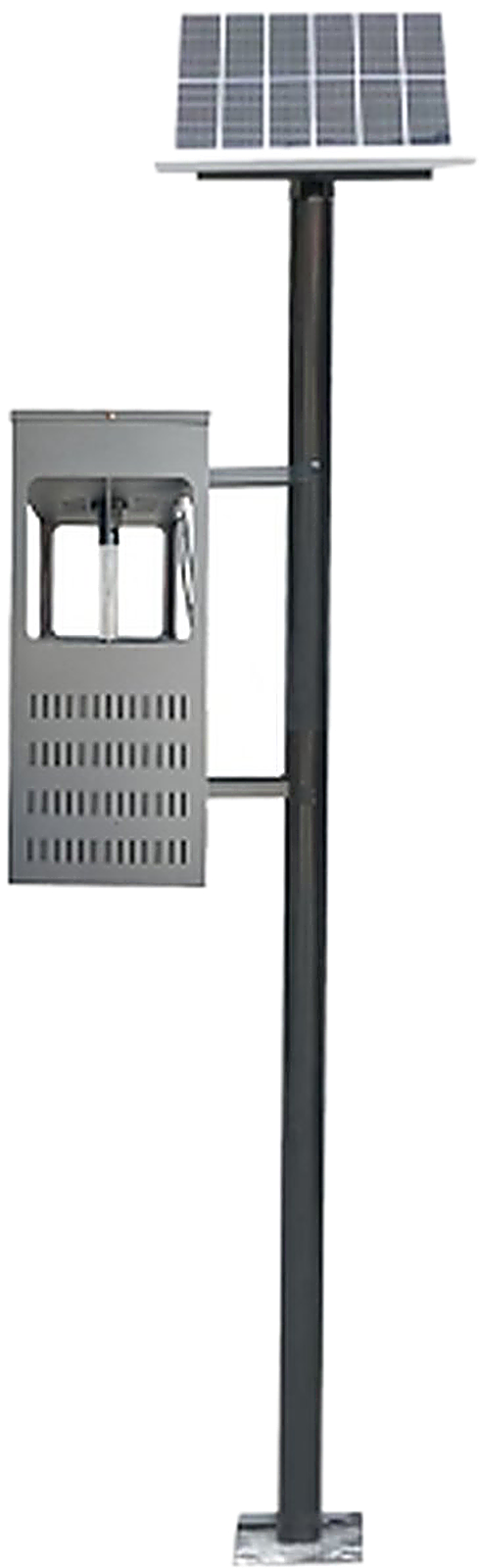
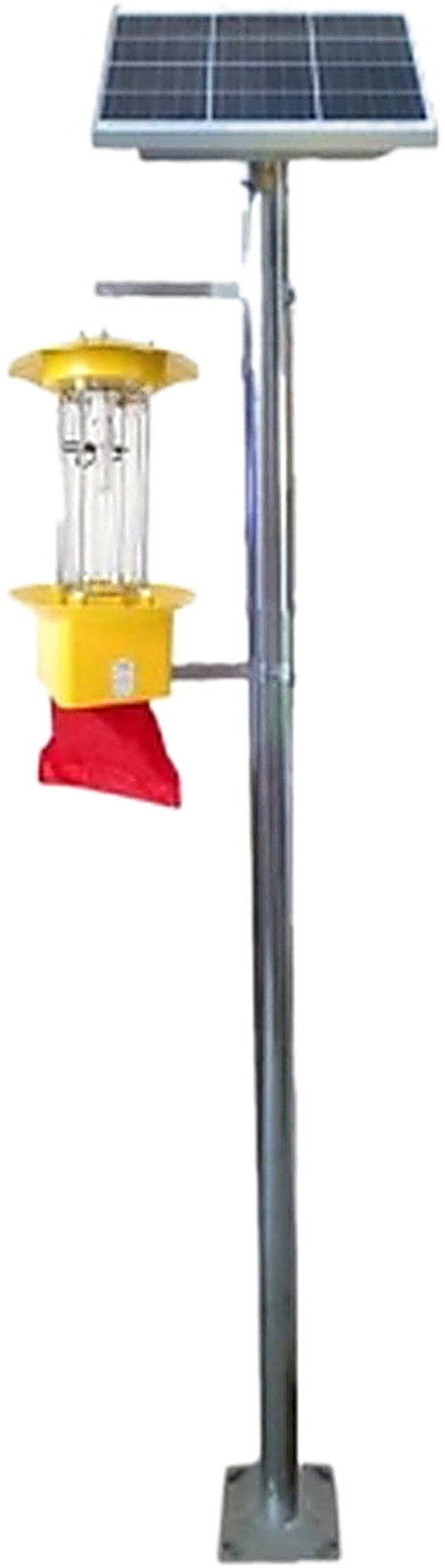


Use this guide alongside the references below to build a complete, defensible programme.
For deeper technical and regulatory context, see the FAO Integrated Pest Management and the EPA safe pest control.
Yes. The unit charges its battery from the solar panel during the day and operates through the night, independent of the grid. That makes it ideal for rural villages in Pakistan with unstable electricity.
When timed to run at dusk and night, the trap mostly catches nocturnal flying adults and spares daytime foragers. Keeping it away from flowering hedgerows further protects pollinators and the beneficial insects that support yield.
For field crops a common rule is one unit per 0.2 to 0.3 hectare; orchards need perimeter plus interior spacing. Start with a scouted map of flight paths rather than a fixed grid, then adjust after the first season’s catch data.
FOSIBO supports OEM and ODM branding, custom spectrum and bulk logistics, so a cooperative or exporter can deploy a consistent, private-label solar insect killer fleet matched to local pest pressure.