
Across the Pacific Islands, a farm is often a few hectares between the coast and a ridge, with salt in the air, strong sun, and a limited supply chain. Pest pressure does not respect that scale. Fruit flies, moths, and beetles move from village gardens and forest edges into taro, coconut, papaya, and vegetable plots, while imported agricultural chemicals are expensive and slow to arrive. This field guide looks at how a solar insect killer fits into real island farming conditions.
The Pacific Islands cover an enormous spread of islands, from high volcanic peaks to low coral atolls, each with its own climate and crop mix. What they share is isolation. Spare parts, fuel, and pesticides must be shipped in, sometimes on infrequent boats, and a broken grid inverter can leave a farm without power for weeks.
That isolation changes the value equation. A solar insect killer needs no grid connection and no daily fuel delivery. It charges from the abundant equatorial sun and runs at night, exactly when many flying pests are active. For a remote grower, energy independence is not a marketing phrase; it is the difference between a working trap and a dead one.
Tropical Pacific Islands agriculture deals with several persistent flying pests. Fruit flies attack papaya, mango, and citrus. Moths and caterpillars feed on taro, cabbage, and corn. Coconut and palm systems face their own beetle complex. Because the warm season never fully stops, breeding continues year-round and there is no cold winter to reset populations.
An island deployment is a corrosion test first and a pest test second. Salt spray travels inland, humidity stays high, and coastal wind drives moisture into every seam and connector.
A unit that survives three cyclones will outlast a cheaper trap that fails in the first humid season. In the Pacific Islands, durability is a feature you pay for once and benefit from every year.
Island farms are small and irregular, so a rigid grid layout rarely fits. Think in terms of edges and flight paths.
Place traps along the boundary between forest or village vegetation and the crop, because that is where insects enter. On coastal plots, set units slightly inland and out of the direct salt wind, while keeping the panel in full sun. Near taro and vegetable beds, mount the lamp just above canopy height so the light competes with sky glow.
A single solar bug zapper can cover a small mixed garden, but larger orchards need several units spaced by rated coverage area. If a trap sits beside a village streetlight, move it; competing light will cut catches sharply. Farm pest management on an island is about making every unit count.
Taro, cassava, and cabbage plots sit close to forest margins and suffer constant moth pressure. A solar insect killer running nightly reduces adult moth numbers before they lay eggs, which lowers caterpillar damage in the following weeks. Pair trapping with clean planting material and regular field scouting.
Papaya, mango, citrus, and coconut plantings have long harvest windows and overlapping generations of fruit pests. Traps help remove adults and provide a catch trend that tells you when a fly or moth surge is building. For export-oriented produce, that monitoring record supports residue-free claims and buyer audits.
A solar insect killer is one layer in a broader plan that must work with limited inputs.
1. Sanitation: collect and destroy fallen fruit and crop debris that breeding insects use. 2. Monitoring: log nightly catch counts by trap and by pest group. 3. Cultural control: use trap crops and maintain weed-free strips around beds. 4. Biological tools: where available, use local parasitoids or biopesticides alongside trapping. 5. Chemical control: reserve approved products for genuine outbreaks, guided by trap trends.
This stacked approach keeps chemical use low, which matters for island ecosystems, nearby reefs, and the health of farm families. It also makes agricultural pest control more reliable when supply boats are late.
On many islands, farms sit close together and share water, roads, and markets. A coordinated area-wide approach works better than isolated efforts. When several neighboring farms run traps on the same schedule, the regional pest population falls for everyone. Shared buying of units also lowers the per-farm cost and makes spare parts easier to stock.
For smallholders, the practical question is payback. A solar insect killer removes recurring fuel and chemical costs and needs little labor beyond cleaning and inspection. Over a multi-year season, the unit often pays for itself through reduced crop loss and lower input spending, especially on high-value fruit and vegetable crops.
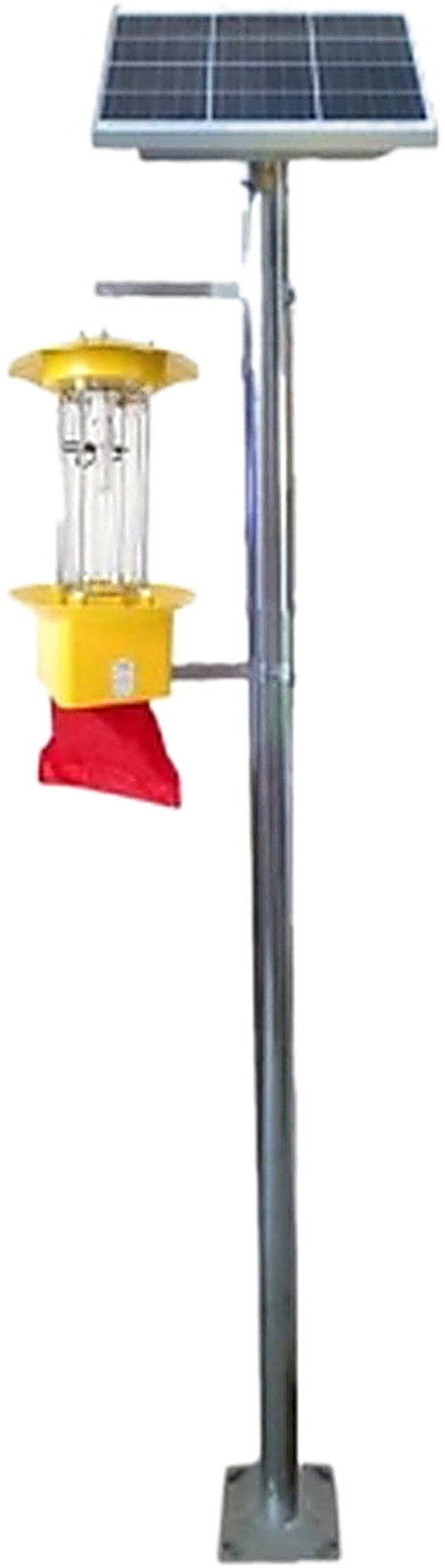

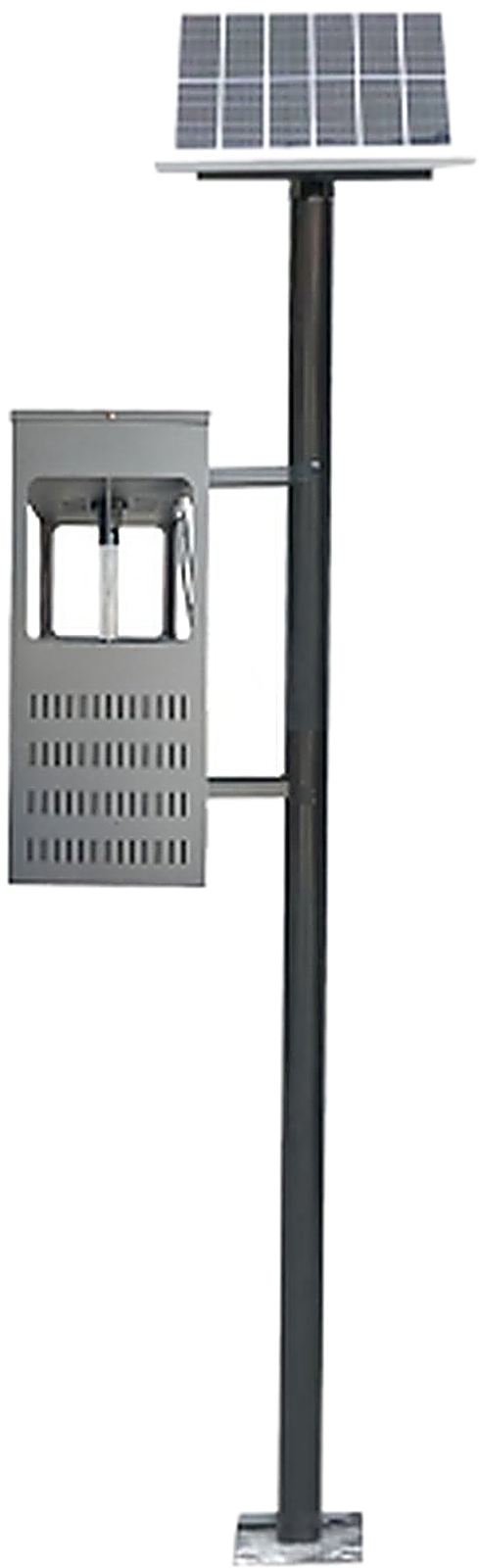
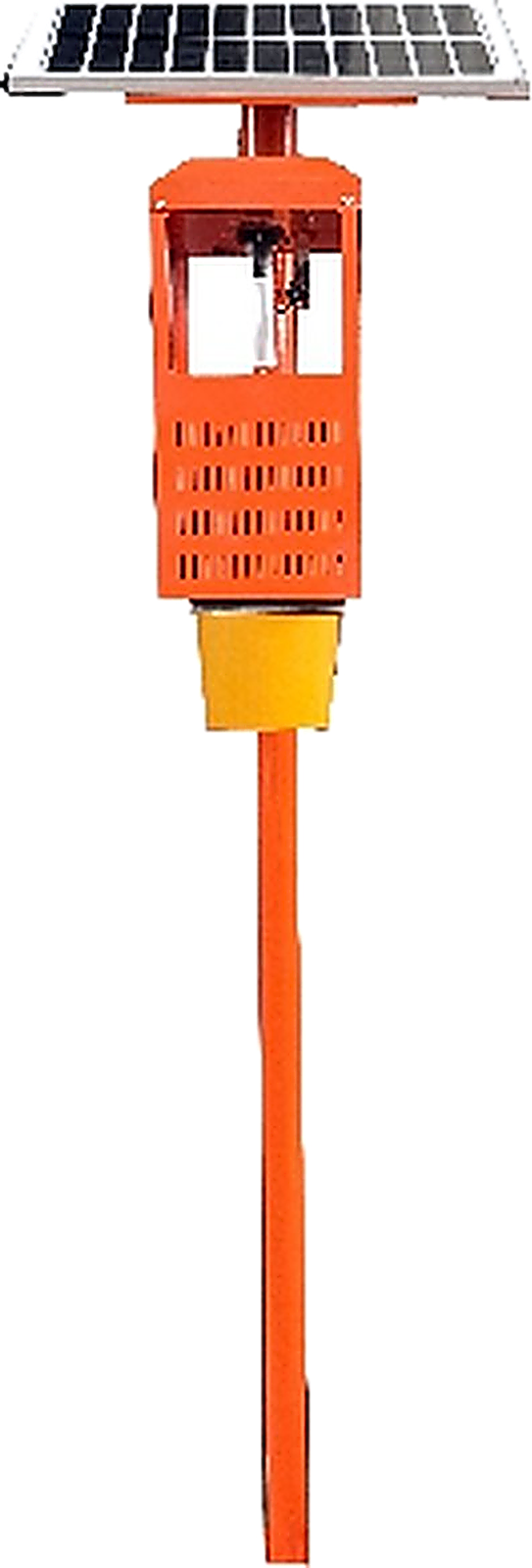
Use this guide alongside the references below to build a complete, defensible programme.
For deeper technical and regulatory context, see the FAO Integrated Pest Management and the EPA safe pest control.
No outdoor trap is cyclone-proof. Choose a ruggedized model with a sealed housing, then dismount or secure units before a major storm. Afterward, check the panel, battery, and mounting hardware before restarting.
Salt accelerates corrosion, but a unit with sealed electronics, stainless fasteners, and a protected battery compartment will last much longer. Regular fresh-water cleaning of the panel and housing extends life further.
They capture a range of night-flying insects and can contribute to fruit fly suppression, but they are not a complete fruit fly solution. Combine them with sanitation, bait traps, and monitoring for the best result.
For a mixed garden under a hectare, one well-placed unit is often a good start. Add traps if catch counts stay high or if the plot has several separate crop blocks.
The Pacific Islands reward equipment that is simple, durable, and independent of fuel lines. A properly sited solar insect killer gives island growers nightly pest suppression and useful catch data, while fitting into an IPM plan built for small plots, salt air, and long supply chains. Choose the housing carefully, place traps on field edges, and let the catch counts guide the rest of the program.