
Northern Europe’s berry, cereal and greenhouse sectors operate under some of the most demanding pest-control conditions in the world. Short, intense growing seasons, near-24-hour summer daylight, and a consumer base that pays a premium for residue-free produce make nordic scandinavia a natural fit for the solar insect killer as a core tool in modern farm pest management. This case study looks at how growers in Sweden, Finland and Denmark are deploying light-and-suction traps to cut spray volumes while protecting high-value crops.
The Nordic summer compresses an entire pest cycle into eight to twelve weeks. Key targets for agricultural pest control teams include:
Because the season is short, a single unchecked hatch can erase a year of margin. Growers therefore favour preventive, non-chemical measures that work around the clock without labour.
Three forces push Nordic buyers toward the solar insect killer:
A common misconception is that solar insect killer units need tropical sun. In practice, modern 20–40 W panels and LiFePO4 batteries charge fully even under the diffuse light of a Nordic summer, and the long photoperiod means the trap’s lamp is only off for a few hours. For the darkest weeks, hybrid mains-top-up or a larger battery sizing keeps protection continuous.
Field layouts differ by crop:
Proper farm pest management treats the trap as one layer of an IPM stack, not a silver bullet.
A 12 ha soft-fruit farm in southern Sweden replaced three of its five calendar spray rounds with a trap-plus-scouting program. Over two seasons the operation reported:
The solar insect killer units paid back within the second season once the spray-saving was counted, a result consistent with broader Nordic IPM economics.
A heated tomato house in southern Finland integrated light-suction traps with predatory mite releases. By removing adult whitefly and thrips before population build-up, the farm reduced the need for foliar biologicals and kept virus incidence low through the winter crop. The trap’s chemical-free action protected the beneficial insect program rather than competing with it.
In Nordic agricultural pest control, the trap’s job is to thin adult pest pressure so that beneficial insects and targeted biologicals do the fine-tuning. Because a solar bug zapper type unit does not broadcast residues, it is compatible with:
Buyers specifying solar insect killer units for the Nordic market should confirm:
OEM/ODM partners familiar with European certification shorten time-to-market for distributors serving Sweden, Finland and Denmark.
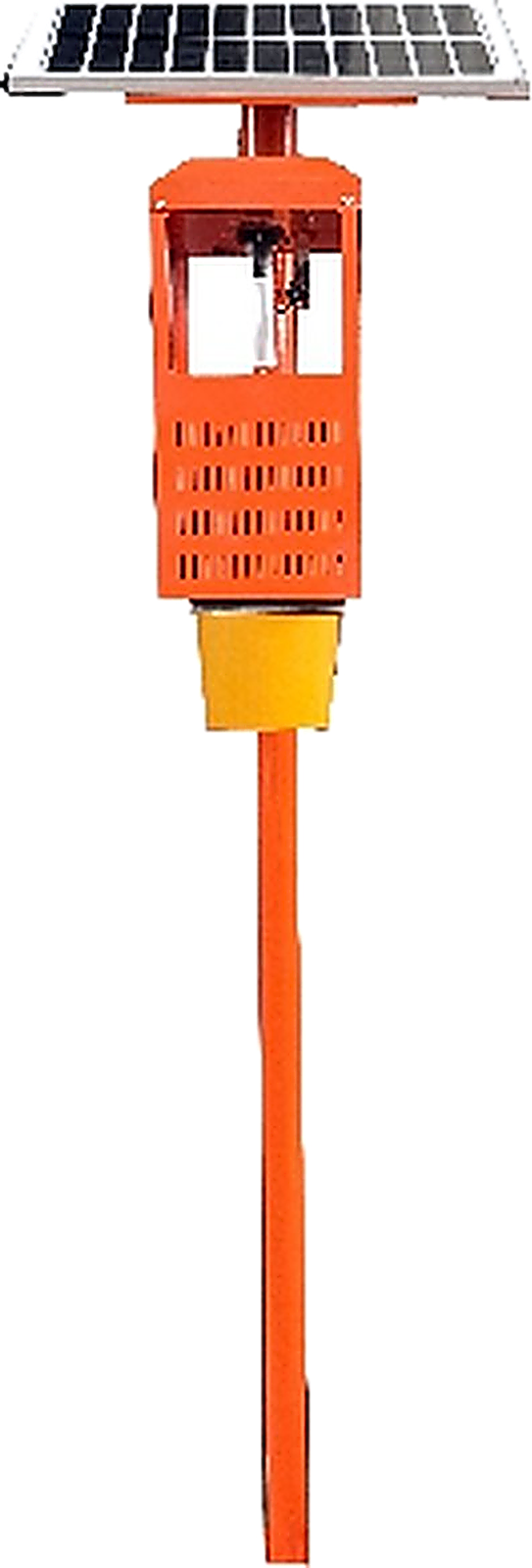
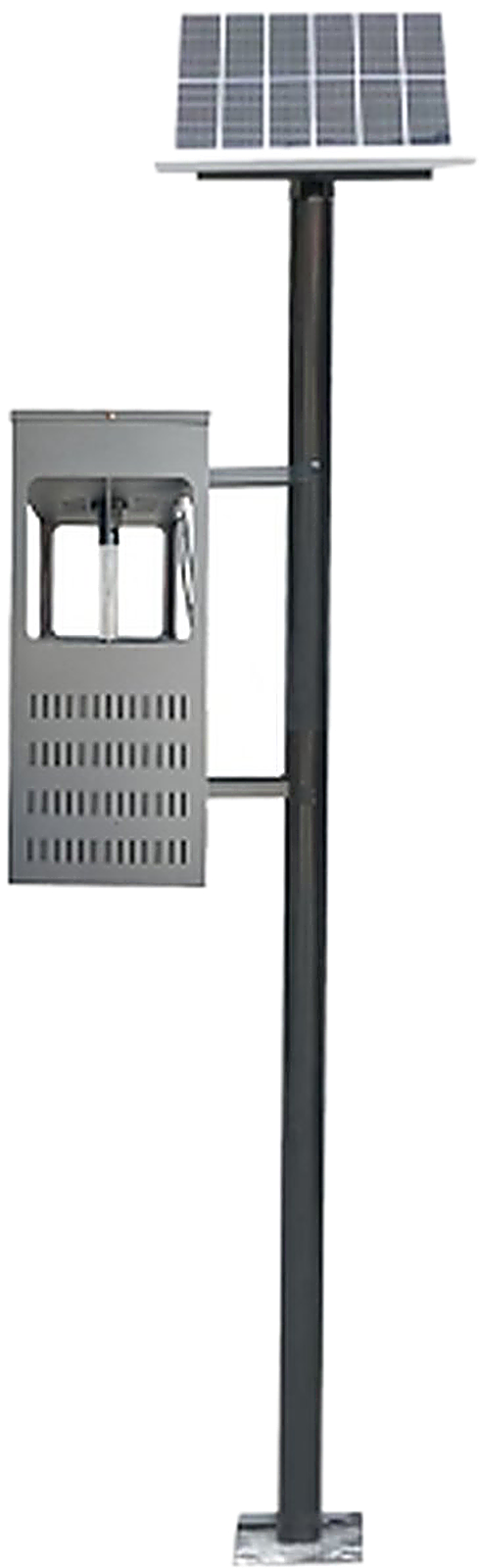
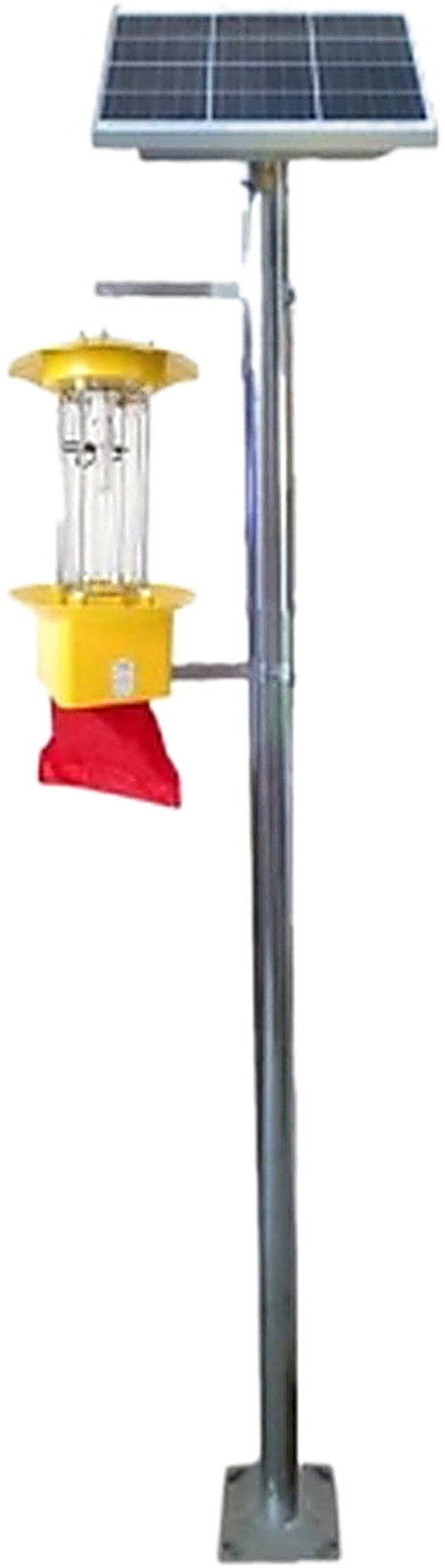

Use this guide alongside the references below to build a complete, defensible program.
For deeper technical and regulatory context, see the FAO Integrated Pest Management and the EPA safe pest control.
Do solar insect killers work in countries with short summers? Yes. Nordic deployments show full battery charging under diffuse summer light, and long daylight leaves only a few dark hours. Hybrid mains backup covers the darkest weeks.
Which pests are most affected in Scandinavia? Strawberry blossom weevil, raspberry beetle, cereal aphids, greenhouse whitefly and western flower thrips are the primary targets for light-and-suction traps.
Will a solar bug zapper harm bees and beneficials? Light-suction designs capture far fewer beneficials than broad insecticide sprays. Used inside an IPM program, they protect rather than disrupt beneficial insect releases.
How many units does a Nordic berry farm need? Typical outdoor soft-fruit layouts use about one unit per 0.3–0.5 ha, combining perimeter and in-row placement, adjusted after the first season’s catch data.
Is the investment justified in cool climates? Where spray labour is expensive and residue-free premiums exist, the solar insect killer commonly pays back within one to two seasons through reduced passes and higher-grade output.
The nordic scandinavia experience shows that cool-climate, high-standards agriculture is an ideal environment for the solar insect killer. By pairing light-and-suction trapping with scouting and beneficial insects, Swedish, Finnish and Danish growers strengthen farm pest management while meeting the residue-free expectations of their markets.