
Nigeria’s farms stretch from humid southern cocoa belts to the dry northern savanna, and the insect pressure changes with every zone. A solar insect killer that performs well in one region can disappoint in another if placement, timing, and crop biology are ignored. This case study pulls together seven field lessons from Nigerian growers and cooperatives using solar traps for maize, cassava, cocoa, and vegetable plots.
Farmers across Nigeria face a mix of chewing and sucking pests that attack both staple crops and cash crops. Fall armyworm strips maize leaves. Cassava and cocoa face their own leaf and stem feeders. In the north, grasshoppers and migratory pests arrive with the rains. Because many smallholders spray on a calendar rather than on observed pressure, costs stay high and residues build up.
Maize and cassava anchor food security, yet both are hit hard during the rainy season. A single unchecked flight can defoliate a young crop before it recovers. Agricultural pest control in this setting has to be affordable, low-labor, and reliable without grid power, which is why solar traps attract attention.
Cocoa and vegetable plots face stricter residue limits, especially when produce is destined for export. Growers who want to cut sprays need a monitoring tool that works without electricity. That combination of needs is exactly why solar traps have spread across farming communities here and the cooperatives that supply them.
A trap placed in a cocoa grove behaves differently from one in an open maize field. Shade, plant height, and flight corridors all change the catch. In Nigerian trials, traps positioned along field edges and near water points recorded the highest activity. Growers learned to map their own plots before buying units, then place traps where insects actually move.
Before drawing conclusions, each site ran two weeks of nightly counts with no intervention. This baseline showed which pests dominated and when flights peaked. Without it, any later change would be impossible to attribute. Cooperatives used the data to decide whether a solar bug zapper added value on that particular farm.
More traps do not automatically mean better control. Two well-placed units at flight corridors outperformed four scattered at random. In Nigerian maize fields, edge placement near grass borders reduced the number of moths penetrating the crop. The lesson for buyers: invest in a site survey before expanding a solar insect killer order.
Trap counts tell you what is flying, not what is already feeding. The strongest Nigerian programs paired nightly catch data with a weekly field walk. When a trap spike was followed by fresh damage two nights later, farmers acted. When the trap was busy but scouting was clean, they held off. This simple rule cut unnecessary sprays and is the core of good farm pest management.
From roughly December to February, the dry Harmattan wind carries dust that coats panels and reduces charging. Nigerian operators who wiped panels weekly kept traps running; those who ignored them saw nightly failures. Any spec for the northern savanna should include easy panel access and a realistic battery margin for dusty weeks.
A trap is only as good as the person emptying it. Cooperatives that ran a short training session on chamber cleaning, battery checks, and record keeping saw far better continuity. Where training was skipped, units were often left switched off or full. For B2B buyers, operator training is part of the product, not an afterthought.
The programs that earned repeat orders tracked three numbers: nightly catch, spray events avoided, and yield at harvest. In several Nigerian sites, growers reduced calendar sprays while maintaining or improving marketable yield. Those figures, more than any brochure, convinced neighboring farmers to adopt the technology.
Local conditions reward suppliers who study them first. Buyers should ask for dust-tolerant designs, spare parts availability, and training support, not just the lowest unit price. A solar insect killer backed by clear field data and local service will outperform a cheaper device abandoned after one season. For importers and distributors, the Nigerian market is less about a single hardware spec and more about a complete, supportable program.
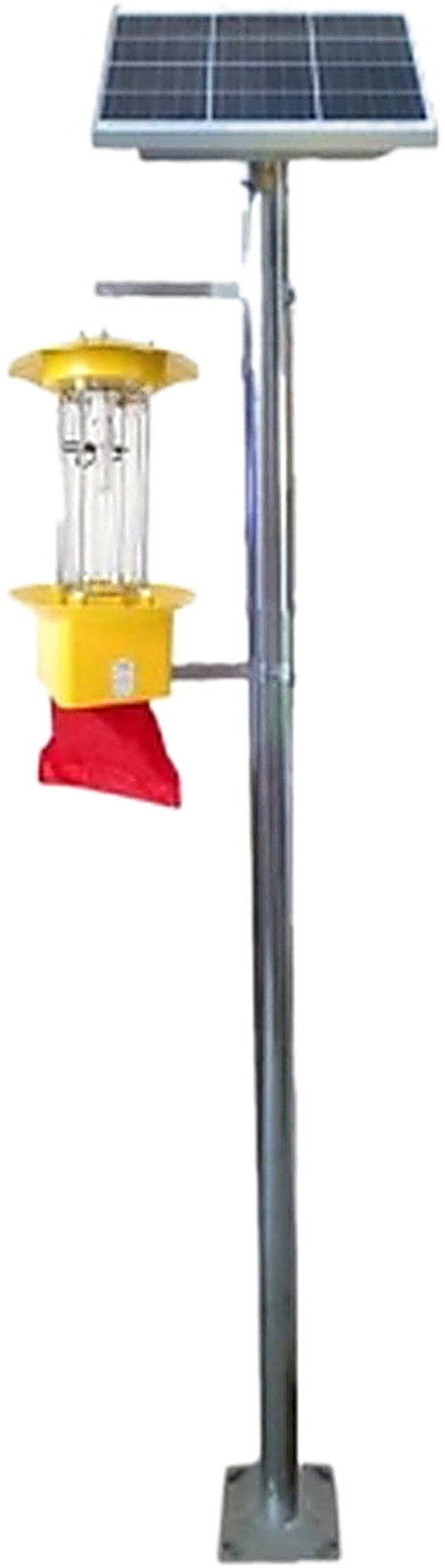


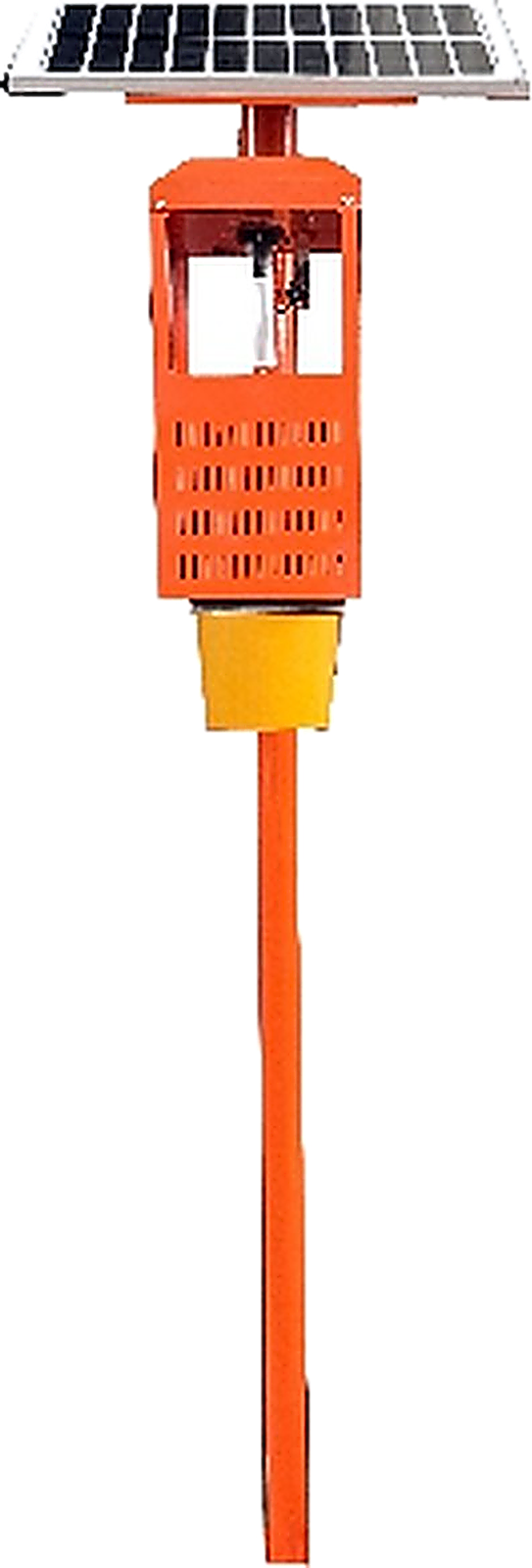
Use this guide alongside the references below to build a complete, defensible programme.
For deeper technical and regulatory context, see the FAO Integrated Pest Management and the EPA safe pest control.
Do solar traps work in Nigeria’s humid south? Yes, provided panels get adequate light and the unit is placed in a flight corridor rather than deep shade.
How many units does a smallholder need? Start with one or two well-placed traps and expand only after catch data justifies it.
What crops benefit most? Maize, cocoa, cassava, and irrigated vegetables showed the clearest response in the programs reviewed.
Are the traps safe around food crops? Wind-suction designs avoid pesticide residues entirely, which matters for cocoa and produce destined for export.
Is local training really necessary? Yes. Consistent cleaning and charging are the difference between a working season and an abandoned unit.